 0
0
 0
0
Finland nuclear weapons ban removal has become a major topic in European security discussions after the Finnish government announced plans to lift long standing restrictions on nuclear weapons. The proposed change would allow the country to align more closely with NATO’s collective defence framework.
Under current Finnish legislation, the import, manufacture, possession, or detonation of nuclear weapons is strictly prohibited. The ban applies even during wartime. However, three years after joining NATO, Finland is considering updating the law in order to make full use of NATO’s deterrence capabilities.
Despite the proposal, Finnish authorities have clarified that there are currently no immediate plans to host nuclear weapons on Finnish territory.
Why Finland Is Considering Lifting the Ban
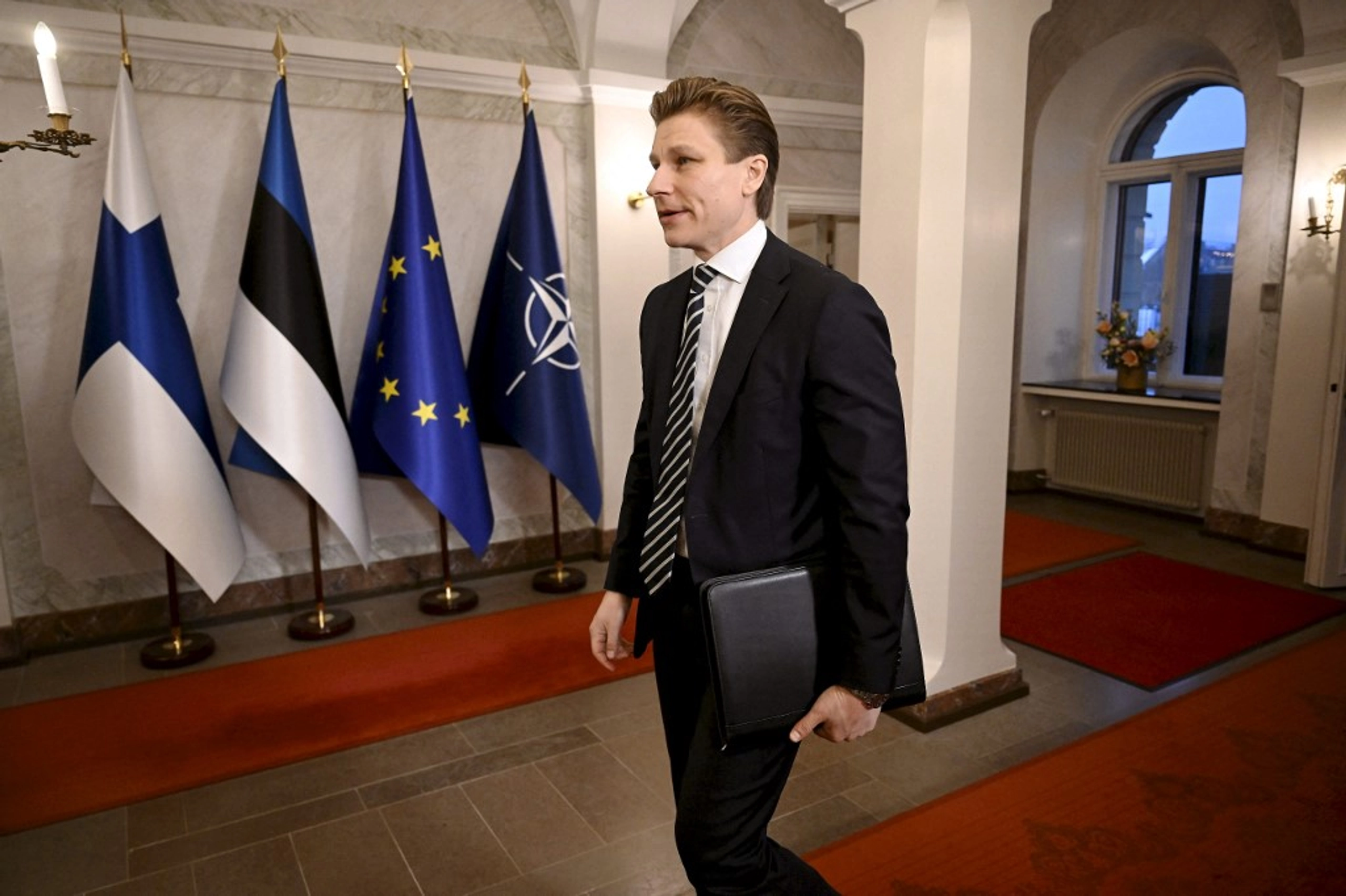
The Finnish government believes removing the restriction would strengthen its security posture within NATO. Defence Minister Antti Häkkänen stated that the legal update is intended to ensure Finland can benefit fully from NATO’s collective defence strategy.
The proposal is not about increasing nuclear threats but rather about enhancing deterrence. NATO’s nuclear framework is designed to prevent conflict by discouraging potential aggression from adversaries.
Finland joined NATO in 2023 following growing regional security concerns after Russia’s invasion of Ukraine. Membership significantly expanded NATO’s northern border with Russia and reshaped security dynamics in the Baltic Sea region.
Deterrence as a Defensive Strategy
Supporters of the policy change argue that nuclear deterrence remains a key element of NATO’s defence system. Some Finnish analysts say the proposed legislation is meant to ensure that Finland can rely on every available defensive tool if necessary.
The idea is that a strong deterrent discourages military aggression. If adversaries understand that NATO’s full defensive capabilities could be used, they may be less likely to initiate conflict.
Advocates stress that the goal is not to threaten neighboring countries but to ensure that Finland’s security infrastructure matches the realities of NATO membership.
Political Debate Inside Finland Nuclear Weapons Ban Removal
The proposal has sparked discussion among Finnish political leaders and commentators. Some voices argue that political unity is important when dealing with national security issues.
Historically, major Finnish political parties have maintained a shared approach to foreign and security policy. Analysts say preserving that unity could help Finland present a strong position internationally.
Some commentators warn that political disagreements over nuclear policy could be exploited by foreign propaganda efforts. Maintaining a consistent national stance on defence issues is therefore seen as essential by several political observers.
Reaction from Russian Analysts
The policy discussion has also attracted attention in Russia. Some Russian commentators have argued that NATO’s expansion has significantly changed the security balance near Russia’s northwestern borders.
With Finland joining NATO, the alliance gained an additional border with Russia stretching more than 1,300 kilometers. Analysts have noted that this shift potentially reduces the response time for certain missile systems in the region.
These developments highlight how security decisions in one country can influence broader geopolitical debates across Europe.
No Immediate Plan to Host Nuclear Weapons
Although the Finnish government wants to update the legislation, officials have emphasized that there is no current plan to deploy nuclear weapons in Finland.
The proposed change would simply remove the legal barrier that prevents such cooperation under NATO’s framework. Actual deployment decisions would require separate political and strategic considerations.
For now, Finland continues to focus on strengthening conventional defence capabilities and cooperation with NATO allies.
Security Implications for Europe
The discussion around Finland nuclear weapons ban removal reflects wider concerns about security in Europe following the war in Ukraine. NATO members have been reviewing defence strategies, military readiness, and deterrence policies.
Finland’s potential legislative update demonstrates how NATO membership can influence national defence policies. While the country insists that the move is defensive, the debate shows how sensitive nuclear policy remains in European politics.
As discussions continue, Finland Nuclear Weapons Ban Removal proposal is likely to remain an important topic in both Finnish domestic politics and broader European security conversations.
PLEASE CLICK HERE FOR MORE NEWS