 0
0
 0
0
War with Iran not finished, according to a senior Israeli official, who has challenged US President Donald Trump’s recent statement suggesting that the conflict is nearly over. The official emphasized that Iranian forces continue to pose a threat, and military operations are ongoing across multiple fronts in the Middle East.
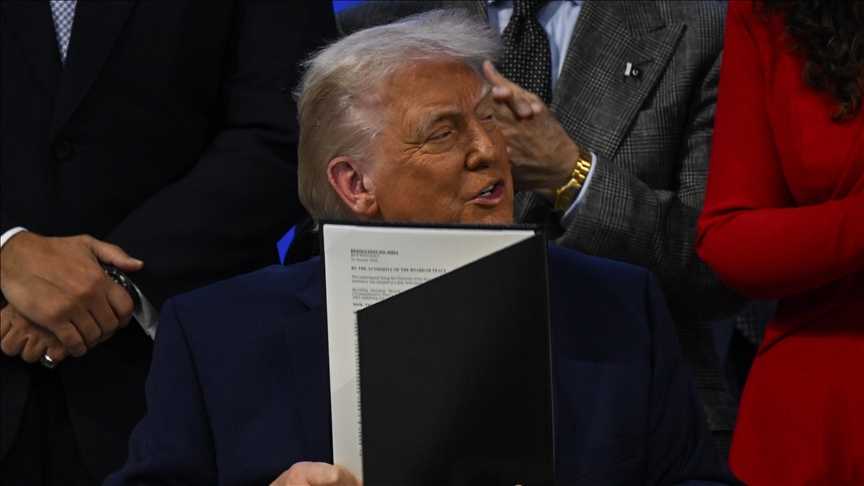
Trump, speaking to CBS News, had claimed the conflict was “very complete,” asserting that the United States had neutralized Iran’s navy, air force, and communications systems. He also noted that military operations were far ahead of his original four-to-five-week estimate. However, Israeli intelligence sources have disputed this, highlighting that Iran’s retaliatory capabilities remain intact, and the situation on the ground is far from resolved.
Recent US-Israel Strikes on Iran
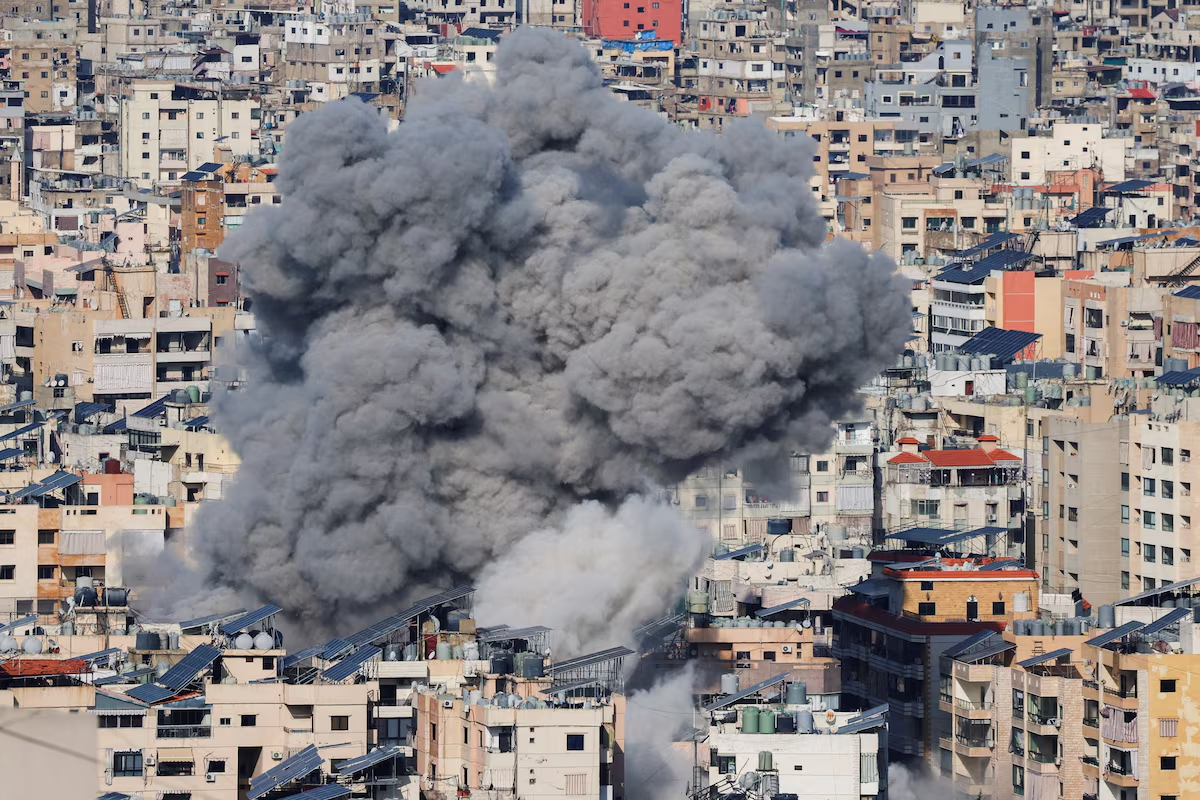
Since February 28, Israel and the United States have carried out coordinated attacks targeting Iranian military facilities and leadership positions. These strikes have killed hundreds, including Supreme Leader Ali Khamenei and several top security officials. The attacks also inflicted damage on Iran’s air force and strategic infrastructure, but analysts warn that Tehran’s capacity for counterattacks remains significant.
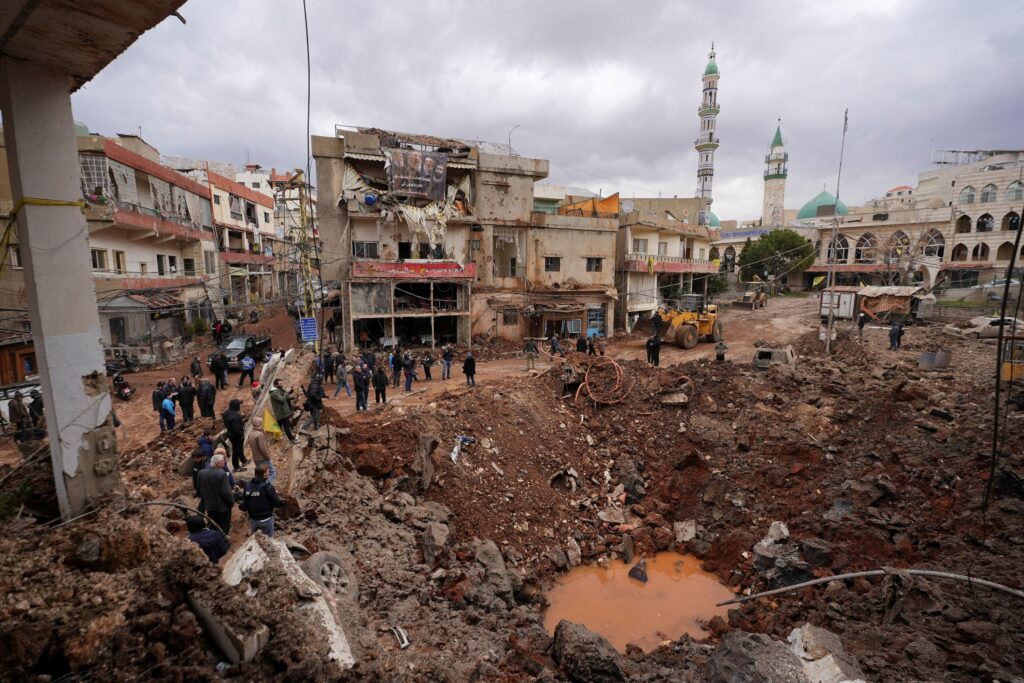
Iran has responded with waves of missile and drone strikes targeting Israel, US assets in the Gulf, as well as Jordan and Iraq. These attacks have caused casualties, injured civilians, and damaged property, raising concerns about further escalation in the region.
Retaliation and Regional Tensions
The war with Iran not finished warning comes amid mounting regional instability. Iranian missile and drone operations have targeted civilian and military locations, causing deaths and property destruction in multiple countries. The strikes have prompted condemnations from affected nations, with calls to halt the attacks immediately.
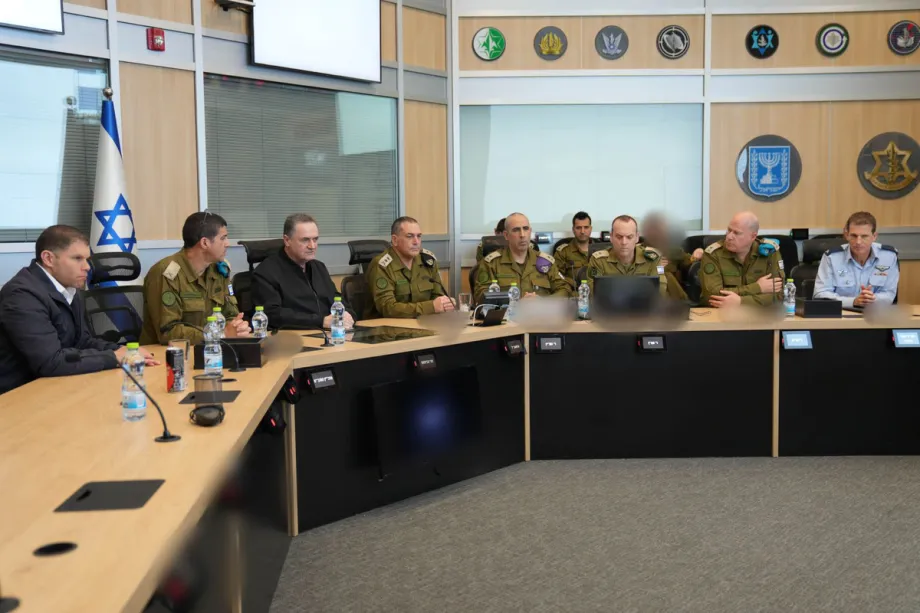
Israel continues to assess Iranian capabilities, maintaining heightened security measures to protect civilians and military personnel. The senior Israeli official stated, “Nothing has been completed yet. Our initial assessment predicted a short conflict, but Iran’s operational capacity remains significant, and the war is far from over.”
Global Implications
The ongoing conflict has also disrupted global energy markets. Iran’s closure of the Strait of Hormuz, a critical oil shipping route, has reduced global oil supply and created energy shortages in South Asia. Pakistan has implemented emergency measures including remote work for public employees and temporary school closures to conserve energy, while India has ordered refineries to boost liquefied petroleum gas production.
Economic and political ripple effects extend beyond energy, as countries dependent on Gulf trade face uncertainty. Analysts warn that the war’s continuation may draw additional nations into the conflict, either through military involvement or economic pressure.
International Reactions
Arab nations affected by Iranian strikes have strongly condemned the attacks. The United Nations, European Union, and other global powers have emphasized the importance of protecting civilians and called for restraint. Observers warn that ongoing hostilities without a diplomatic resolution could escalate tensions and increase humanitarian crises across the region.
Civil society organizations have highlighted the dangers of prolonged conflict, including displacement, civilian casualties, and infrastructure damage. Despite heavy military operations, major Iranian leadership figures remain influential, indicating that the conflict may continue for an extended period.
Conclusion
War with Iran not finished, according to Israeli sources, who insist that Trump’s claims of an imminent end are premature. Iranian retaliatory strikes, regional instability, and ongoing military operations demonstrate that the situation remains critical. Governments, civilians, and international organizations continue to monitor the conflict closely, aware that the path to de-escalation is uncertain.
PLEASE CLICK HERE FOR MORE NEWS