 0
0
 0
0
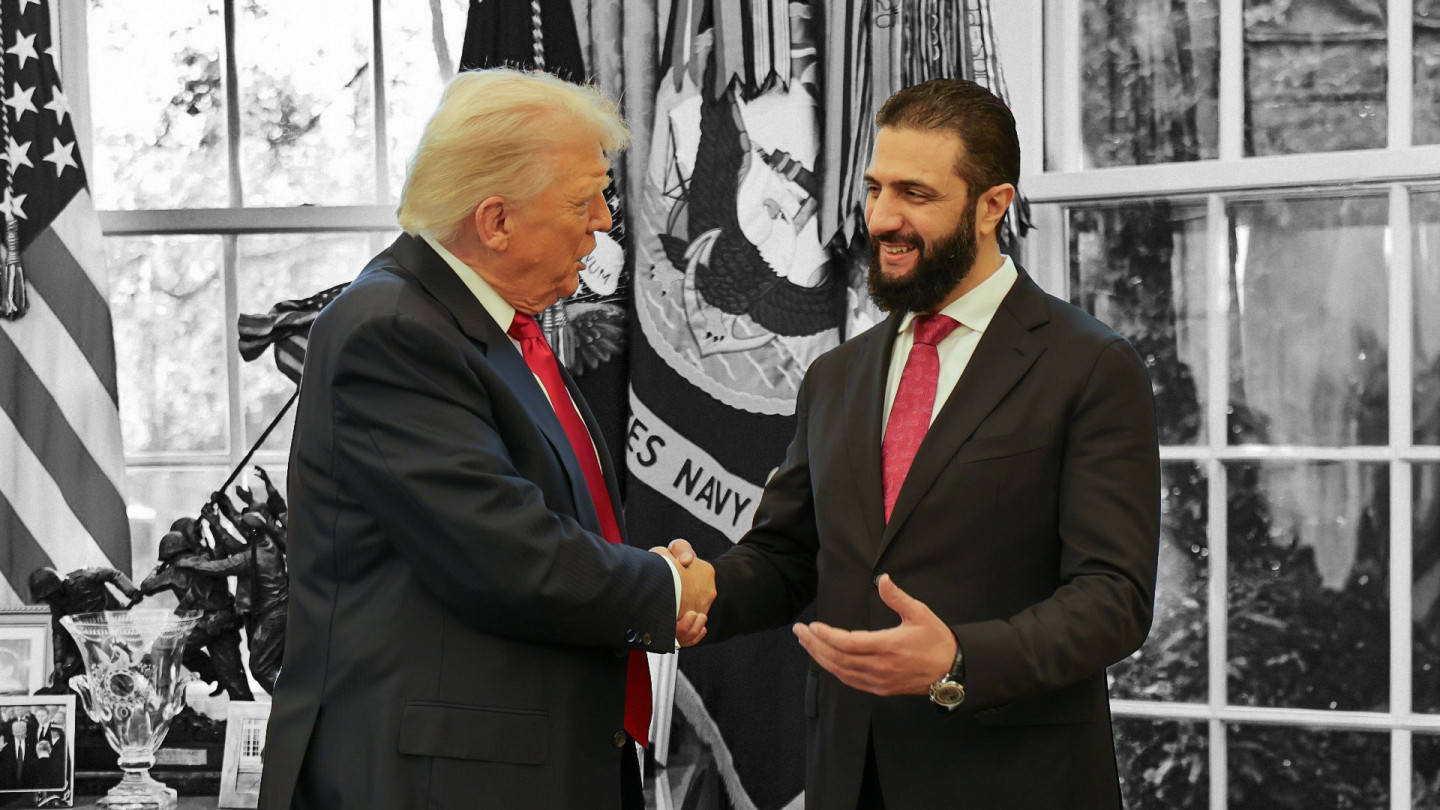
Syrian President Ahmed al-Sharaa is preparing for a pivotal visit to the White House. His goal is clear: persuade U.S. leaders to support Syria’s post-war reconstruction and ease sanctions that block its economic recovery.

The summit marks the first time a Syrian president has visited Washington. U.S. officials see the meeting as a potential turning point after years of conflict and sanctions.
From Civil War to Political Reform
Syria has undergone dramatic political changes since former leader Bashar al-Assad fled to Moscow in late 2024, ending more than five decades of family rule. Weeks later, factions that opposed Assad appointed al-Sharaa as Syria’s new president.
Al-Sharaa previously controlled opposition-run Idlib province. His administration enforced strict laws, but since taking national power, he has pursued a more pragmatic approach to leadership. Western diplomats describe him as a negotiator who prioritizes stability and reconstruction.
The new government drafted a transitional constitution, calling Syria a country for “all Syrians.” It includes provisions for equality, due process, and free expression. Elections for a new 210-seat legislature followed, although Syria’s damaged infrastructure prevented direct nationwide voting.
Regional Diplomacy and Refugee Returns
Al-Sharaa has attempted to reposition Syria as a cooperative regional actor. He addressed the UN General Assembly, pledging peaceful coexistence and transitional justice. Syrian officials also met with Lebanese leaders to repair strained relations.
Syria has urged refugees to return. More than one million have returned from neighboring countries such as Jordan, Lebanon, and Turkey. Many have returned not for politics, but for access to education, health care, and basic services.
Talks with Israel also remain open, despite ongoing military tensions and Israeli operations in southern Syria.
Security Challenges and Internal Divisions
Despite diplomatic progress, Syria remains unstable. Armed groups, terrorism, and crime persist in several regions.
-
Northeast Syria: Islamic State cells carry out attacks, mainly targeting Kurdish groups.
-
Coastal areas: Government-affiliated militias have carried out violent attacks on Alawite communities.
-
South Syria: Israel has established a buffer zone deeper than the 1974 armistice line. Intercommunal violence has also increased, including clashes involving Druze and Bedouin groups.
The status of Syria’s Kurds and the Syrian Democratic Forces (SDF) remains unresolved. Talks about integrating the SDF into national security structures have stalled. Kurdish leaders remain cautious, fearing central pressure on their autonomy.
Sanctions and the Push for Reconstruction
The Caesar Syria Civilian Protection Act of 2019 remains the main barrier to reconstruction. The law restricts access to goods and financing that could rebuild Syria’s damaged infrastructure. As a result, global banks and companies avoid investment in Syria.
The World Bank estimates Syria will need $200–$345 billion for reconstruction. Some projections suggest Syria’s economy may not recover to pre-war levels until 2080.

Why the Washington Visit Matters
Al-Sharaa aims to convince skeptical U.S. lawmakers that Syria is ready to reintegrate into the global system. Analysts believe he may announce Syria’s participation in the U.S.-led coalition against ISIS and signal willingness to continue indirect talks with Israel.
These steps could shift opinion in Congress, where concerns focus on Syria’s security record, minority rights, and political stability.
Syria’s leadership argues that reconstruction is essential for long-term peace and for preventing new refugee outflows. Economic recovery also carries political stakes for al-Sharaa as he works to consolidate legitimacy at home.