

 0
0
 0
0
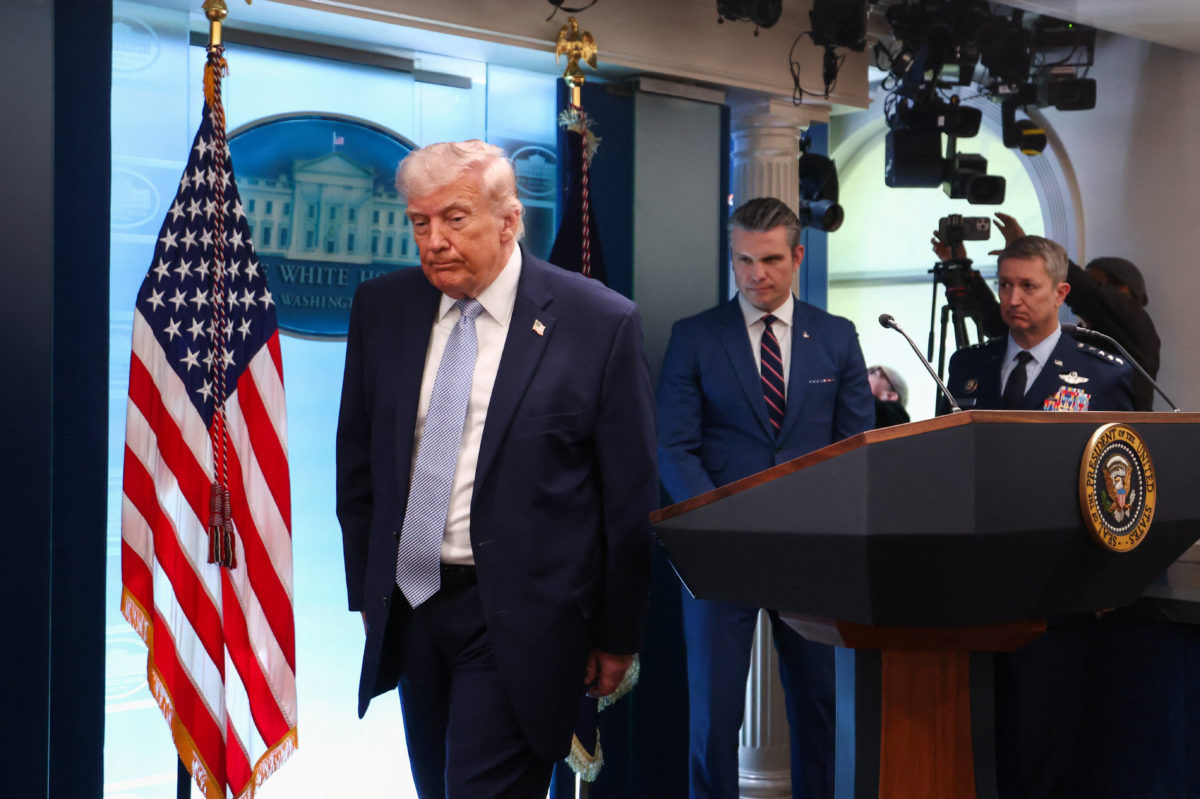
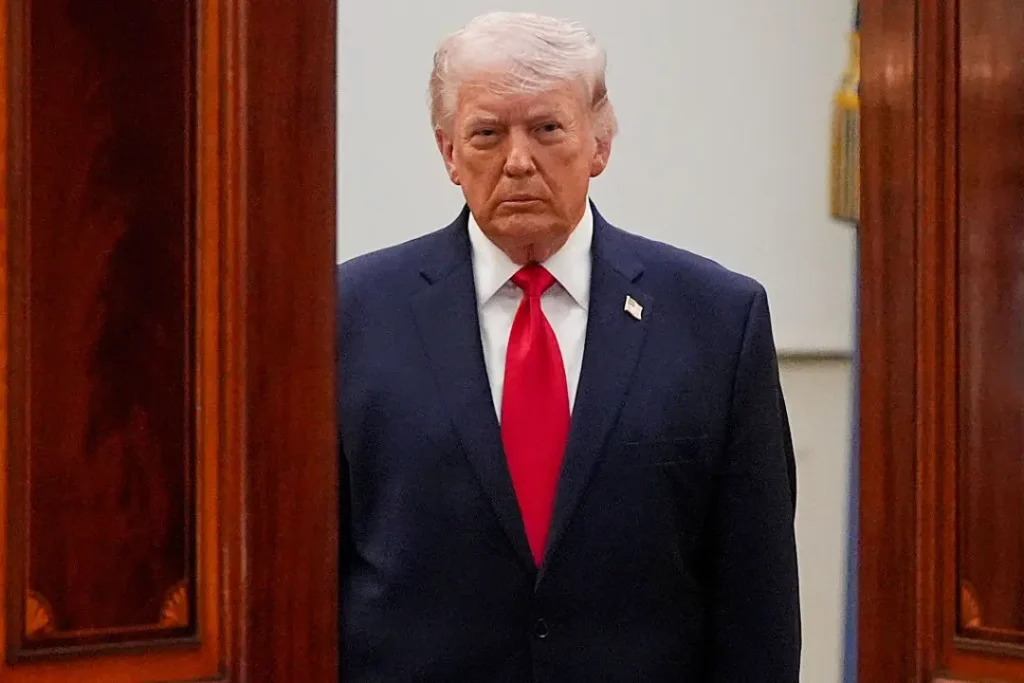
Trump 25th Amendment Iran threats 2026 have sparked intense political reactions in the United States, with several lawmakers urging immediate action to remove Donald Trump from office following his statements about Iran. The controversy comes amid escalating tensions in the Middle East and heightened global security concerns.

Lawmakers Call for 25th Amendment Action
The Trump 25th Amendment Iran threats 2026 issue gained momentum after multiple members of Congress publicly demanded that the president be removed from power.
Key Political Reactions
Several lawmakers expressed concern over Trump’s rhetoric, arguing it could lead to serious consequences:
- Calls for invoking the 25th Amendment to remove the president
- Allegations that the statements could incite large-scale conflict
- Warnings about potential violations of international law
Prominent voices described the remarks as dangerous and unprecedented, intensifying political debate in Washington.
What Triggered the Controversy
The Trump 25th Amendment Iran threats 2026 debate was triggered by a statement in which Trump warned of catastrophic consequences if Iran failed to meet U.S. demands.
The Statement
Trump declared that:
- A “whole civilization” could be destroyed
- The situation could escalate rapidly
- Urgent action was necessary
The remarks were widely circulated and drew immediate criticism from lawmakers and observers.

Understanding the 25th Amendment
The Trump 25th Amendment Iran threats 2026 situation has renewed attention on the constitutional provision itself.
How It Works
The 25th Amendment allows:
- The vice president and a majority of the Cabinet to declare the president unfit
- Immediate transfer of presidential powers to the vice president
- Temporary or permanent removal depending on circumstances
Conditions for Use
It is typically considered in cases involving:
- Physical or mental incapacity
- Inability to perform official duties
- Extraordinary national security concerns
Lawmakers’ Concerns and Arguments
The Trump 25th Amendment Iran threats 2026 calls are rooted in concerns about national security and leadership stability.
Main Arguments
Lawmakers argued that:
- Threats of large-scale destruction could endanger global stability
- The president’s actions may undermine constitutional principles
- Immediate safeguards may be necessary to prevent escalation
Some officials also raised concerns about control over military decisions and nuclear capabilities.
Broader Political Reactions
The Trump 25th Amendment Iran threats 2026 debate has triggered widespread reactions across the political spectrum.
Congressional Response
- Calls for both 25th Amendment action and impeachment
- Appeals to Cabinet members to act quickly
- Increased scrutiny of executive decision-making
Public and Institutional Concerns
- Questions about leadership during crisis
- Debate over checks and balances
- Concerns about maintaining democratic norms
Ongoing Iran Conflict Context
The Trump 25th Amendment Iran threats 2026 controversy is unfolding alongside escalating conflict involving Iran and regional actors.
Current Situation
- Military operations have intensified since late February 2026
- Drone and missile strikes have been reported across multiple countries
- Global markets and travel have been affected
Regional Impact
Countries impacted include:
- Israel
- Jordan
- Iraq
- Gulf states hosting US military assets
The broader conflict adds urgency to domestic political concerns in the United States.
Challenges to Immediate Action
Despite calls for action, the Trump 25th Amendment Iran threats 2026 situation faces practical and political challenges.
Key Obstacles
- The need for Cabinet majority agreement
- Coordination with the vice president
- Potential legal and constitutional complexities
Reports indicate that JD Vance is currently abroad, which could complicate immediate proceedings.
Possible Outcomes
The Trump 25th Amendment Iran threats 2026 developments could lead to several scenarios.
Potential Paths
- Invocation of the 25th Amendment
- Congressional impeachment proceedings
- Continued political and legal debate
Each option carries significant implications for governance and stability.
FAQ
Q: What is the Trump 25th Amendment Iran threats 2026 issue?
A: It refers to calls by US lawmakers to remove President Trump using the 25th Amendment following his statements about Iran.
Q: What does the 25th Amendment allow?
A: It allows the vice president and Cabinet to declare a president unfit and transfer power.
Q: Why are lawmakers concerned?
A: They believe the president’s statements could escalate conflict and pose risks to national and global security.
Q: Has the 25th Amendment been invoked?
A: No, it has not been invoked in this case as of now.
Conclusion
The Trump 25th Amendment Iran threats 2026 controversy highlights the intersection of domestic politics and international conflict. As tensions continue to rise, the debate over constitutional safeguards and executive authority is likely to remain a central issue in shaping the United States’ response to the crisis.




[…] Barrot Trump Iran threats escalation 2026 highlights growing international concern over rising tensions between major powers. […]