 0
0
 0
0
Sudan medical supply crisis 2026 is rapidly escalating, with humanitarian organizations warning that essential medicines could run out within weeks. The situation is being worsened by disruptions linked to the ongoing Middle East conflict, threatening millions of vulnerable people already affected by war and disease.
Clinics Face Imminent Supply Shortages
Urgent Warning from Aid Groups
The Save the Children has raised alarm that medical supplies for Sudanese clinics may be exhausted within two weeks if urgent action is not taken.
According to the organization, about:
-
90 government-run clinics
-
Serving nearly 400,000 patients
depend entirely on these shipments for survival. The Sudan medical supply crisis 2026 highlights how fragile healthcare systems can collapse under global disruptions.
Medicines Stuck in Transit
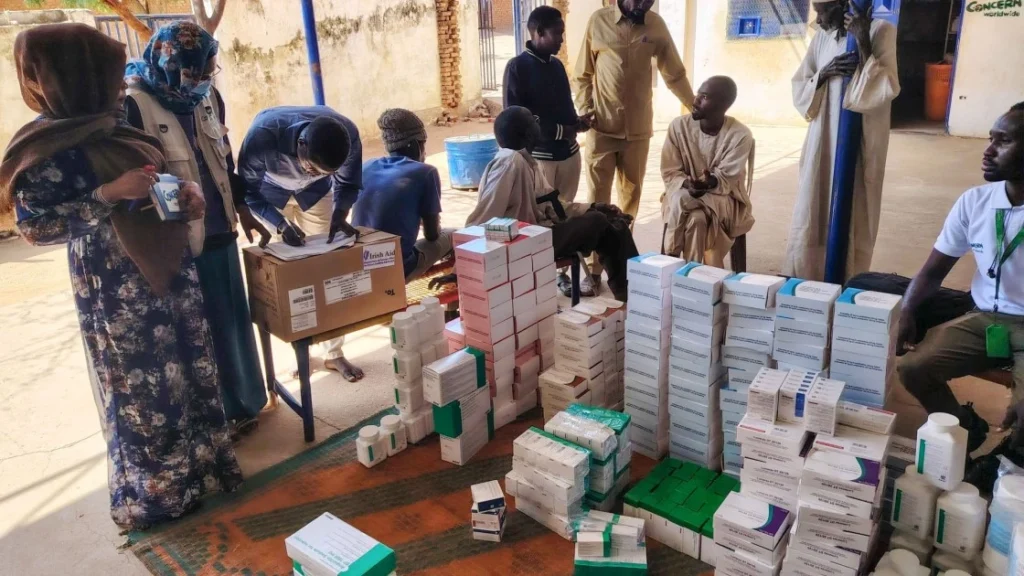
Critical supplies worth approximately $600,000 are currently stranded in Dubai due to logistical disruptions. These include:
-
Antibiotics
-
Antimalarial drugs
-
Pain and fever medication
-
Pediatric injectable treatments
Without immediate rerouting, clinics across Sudan risk running out of life-saving resources.
Impact of the Middle East Conflict
Supply Chain Disruptions
The escalating tensions involving Iran, Israel, and the United States have significantly disrupted global logistics.
Key issues include:
-
Airspace closures across the region
-
Suspension of shipping routes through the Strait of Hormuz
-
Delays in cargo movement and delivery timelines
These disruptions are directly fueling the Sudan medical supply crisis 2026.
Rising Transportation Costs
Shipping companies are rerouting vessels around the Cape of Good Hope, which:
-
Adds weeks to delivery times
-
Increases freight costs by 25–30%
This has placed additional strain on already limited humanitarian budgets.
Sudan’s Ongoing Humanitarian Crisis
A Nation in Conflict
The Sudan has been embroiled in a devastating conflict for three years, leading to:
-
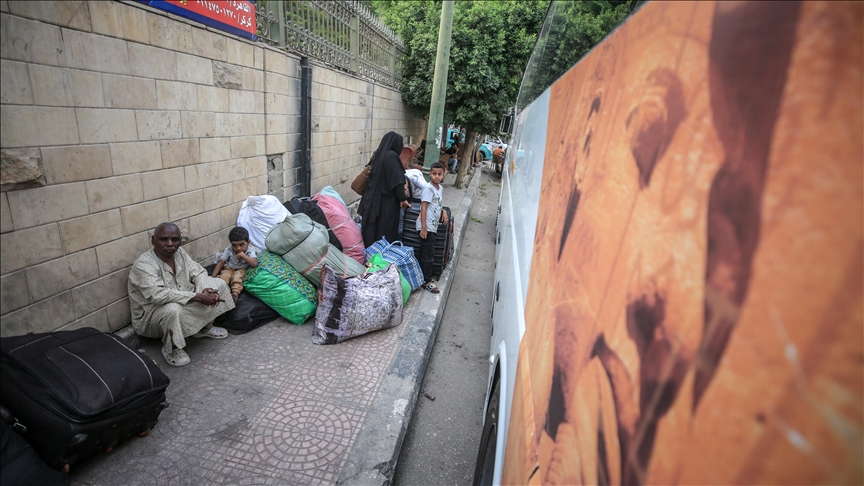
Millions of displaced people
-
Collapsed healthcare infrastructure
-
Widespread disease outbreaks
The Sudan medical supply crisis 2026 is compounding an already dire situation.
Disease Outbreaks and Health Risks
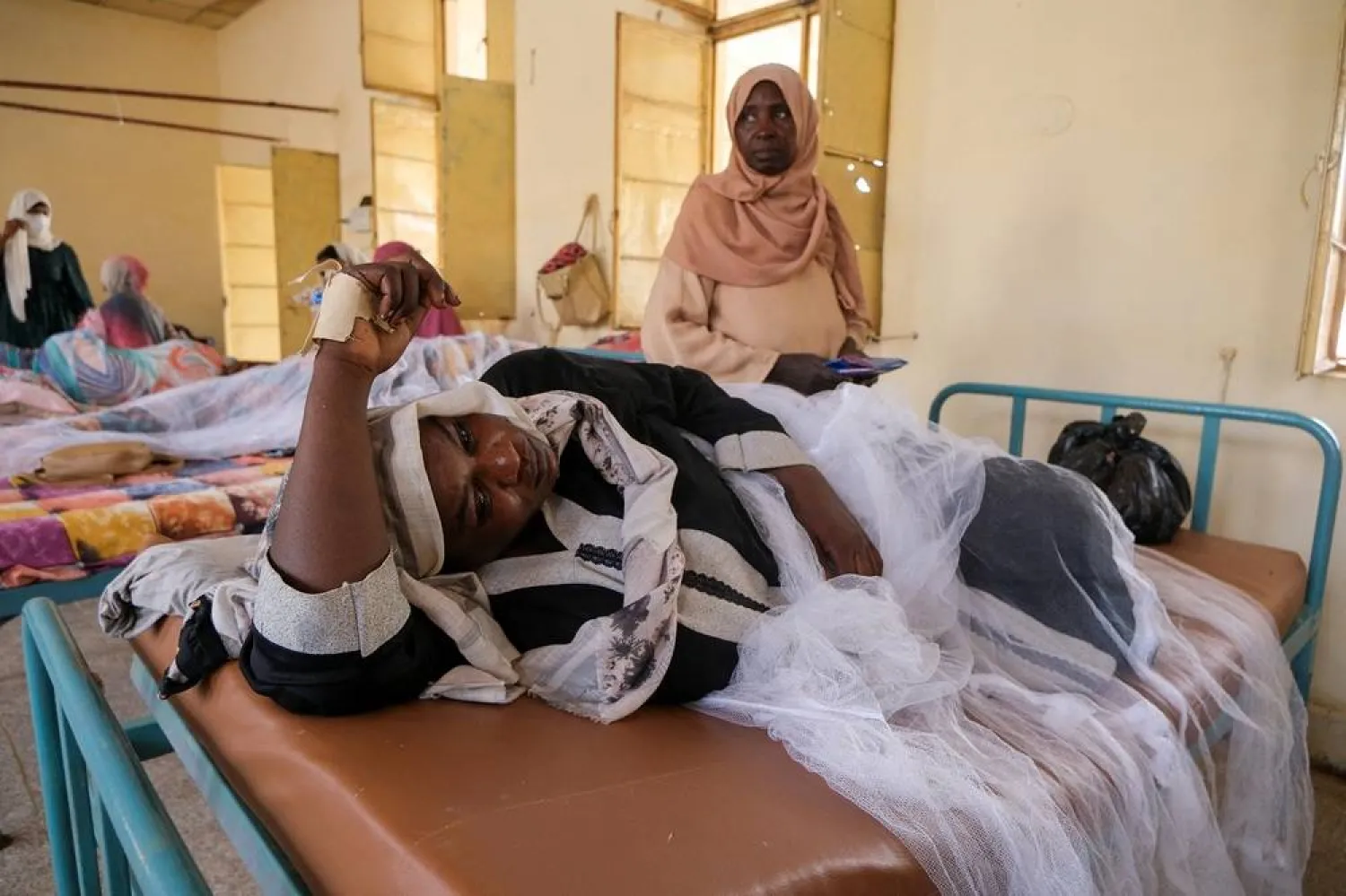
Hospitals are currently dealing with outbreaks of:
-
Dengue fever
-
Cholera
With limited supplies, the ability to treat these illnesses is rapidly diminishing, putting thousands of lives at risk.
Warnings from Global Health Authorities
WHO Raises Concerns
The World Health Organization has also warned of severe shortages in medical supplies across Sudan.
Officials highlight:
-
Increasing scarcity of essential drugs
-
Difficulty reaching remote and conflict-affected areas
-
Growing pressure on healthcare systems
UN Highlights Broader Impact
Tom Fletcher recently noted that the Middle East conflict is straining humanitarian supply chains globally, with regions like sub-Saharan Africa and Gaza facing critical shortages.
Funding Cuts Worsen the Situation
Reduced Aid Budgets
The crisis is further intensified by funding reductions. Save the Children revealed that:
-
Its Sudan budget has been cut by $4 million
-
Total funding now stands at $98 million
Growing Demand, Shrinking Resources
As needs increase due to conflict and disease outbreaks, available resources are declining. This imbalance is a key driver of the Sudan medical supply crisis 2026.
Why the Situation Is Critical
Limited Time to Act
Humanitarian experts warn that:
-
Clinics have only a few weeks of supplies left
-
Rerouting shipments must happen immediately
-
Delays could lead to widespread healthcare collapse
Risk to Hundreds of Thousands
If supplies run out:
-
400,000 patients could lose access to basic care
-
Treatable diseases may become deadly
-
Vulnerable populations, especially children, will be hardest hit
Key Takeaways
-
Sudan medical supply crisis 2026 could leave clinics without medicines within weeks
-
Global supply disruptions linked to Middle East conflict are a major cause
-
90 clinics serving 400,000 people depend on these supplies
-
Rising costs and aid cuts are worsening the situation
-
Immediate action is needed to prevent a humanitarian disaster
FAQ
Q1: What is causing the Sudan medical supply crisis 2026?
A1: The crisis is driven by supply chain disruptions due to the Middle East conflict, rising transport costs, and reduced humanitarian funding.
Q2: How many people are affected?
A2: Around 400,000 patients relying on 90 clinics could be impacted.
Q3: What types of medicines are at risk?
A3: Antibiotics, antimalarials, painkillers, and pediatric drugs are among the critical supplies.
Q4: What could happen if supplies run out?
A4: Clinics may shut down services, leading to increased deaths from treatable diseases.
Conclusion
The Sudan medical supply crisis 2026 underscores the fragile link between global conflicts and local humanitarian emergencies. As supply chains falter and funding declines, the lives of hundreds of thousands hang in the balance. Without urgent intervention, Sudan’s already strained healthcare system could face a catastrophic breakdown.
PLEASE CLICK HERE FOR MORE NEWS