 0
0
 0
0
Socotra power crisis came to an end after urgent Saudi intervention brought generators back online, ending days of blackouts that severely disrupted daily life. The outages affected essential institutions, including the Socotra General Hospital, Socotra University, and the Technical Institute.
According to local reports, the power plants had suddenly shut down after the operating company withdrew and encrypted control systems, preventing local teams from restarting the stations. This sudden disruption created a widespread blackout, deepening hardship for residents.
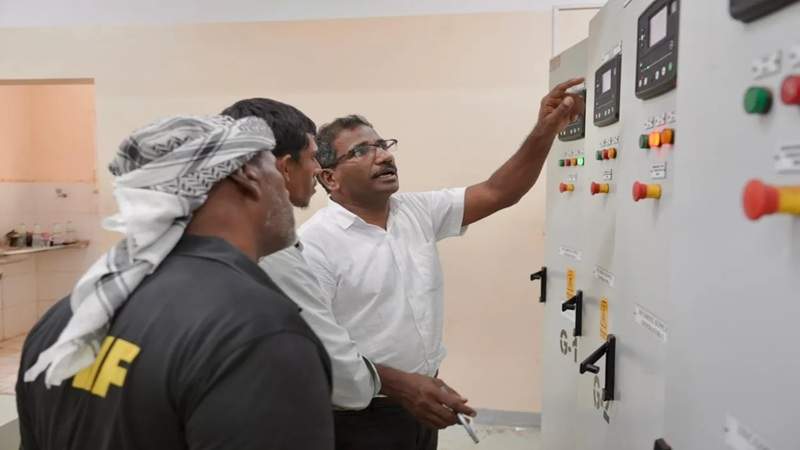
The Saudi Program for the Development and Reconstruction of Yemen swiftly responded to appeals from local authorities. Their engineering and technical teams were dispatched to reactivate control systems and restore electricity across most of the archipelago within a short period.
Generators were restarted in phases, easing pressure on the grid that had been under strain due to increased demand following the halt in power generation.
Socotra Power Crisis Highlights Vulnerability of Vital Infrastructure
The recent Socotra Power Crisis exposed how fragile the archipelago’s electricity infrastructure is, underscoring the urgent need for long-term planning and investment. The sudden shutdown of the power plants, caused by the previous operator disabling control systems, brought daily life to a near halt. Residents faced widespread blackouts, and vital services such as healthcare, education, and water distribution were severely affected.
The crisis revealed that Socotra’s reliance on a single power operator leaves the island highly vulnerable. Without immediate technical intervention, the local population would have continued to endure prolonged outages, threatening public safety and economic activity. The intervention by the Saudi Program for the Development and Reconstruction of Yemen demonstrated how external support can rapidly stabilize essential services in emergency situations.
Impact on Health and Education
The Socotra power crisis had hit healthcare and education sectors the hardest. Some hospital departments were forced to scale back services, while classrooms and laboratories at Socotra University and the Technical Institute were partially suspended.
Stable electricity, combined with operational support from the Saudi intervention, allowed Socotra General Hospital to resume normal operations. Fuel and medical supplies were provided, and staff received the necessary support to handle patients locally, reducing the need for transfers to mainland Yemen. Critical departments, including intensive care units and operating rooms, returned to full functionality after relying on emergency measures during the blackout.
In education, the return of electricity allowed academic activities to resume at Socotra University and the Technical Institute. Funding covered operational costs, staff salaries, and essential expenses, helping prevent absenteeism and ensuring that the academic schedule could continue. Local authorities confirmed that classes at the Technical Institute officially restarted on Monday, marking the beginning of a gradual return to normalcy.
Technical Challenges Behind the Socotra Power Crisis
The crisis originated when the former operator of Socotra’s power plants installed shutdown timers and password protections on control systems. This action prevented local technicians from restarting the stations. Authorities noted that a similar situation occurred in 2018, which required official intervention to resolve.
The archipelago’s reliance on electricity for essential services underscores the importance of sustained technical support and proper operational oversight. Experts suggest that consistent maintenance and emergency planning are key to preventing future power crises.
Socotra Community Benefits
Residents immediately felt the benefits of restored electricity. Water networks resumed regular operations, telecommunications stabilized, and commercial activities began to recover after the economic disruption caused by the outage. The Saudi intervention not only restored power but also demonstrated how rapid technical assistance can safeguard public services in vulnerable regions.
Observers emphasize that long-term technical and operational support will be crucial for Socotra. Continuous monitoring and preventive measures can ensure that power supply remains stable, protecting healthcare, education, and economic activity across the archipelago.
For more news, please visit our Homepage