 0
0
 0
0
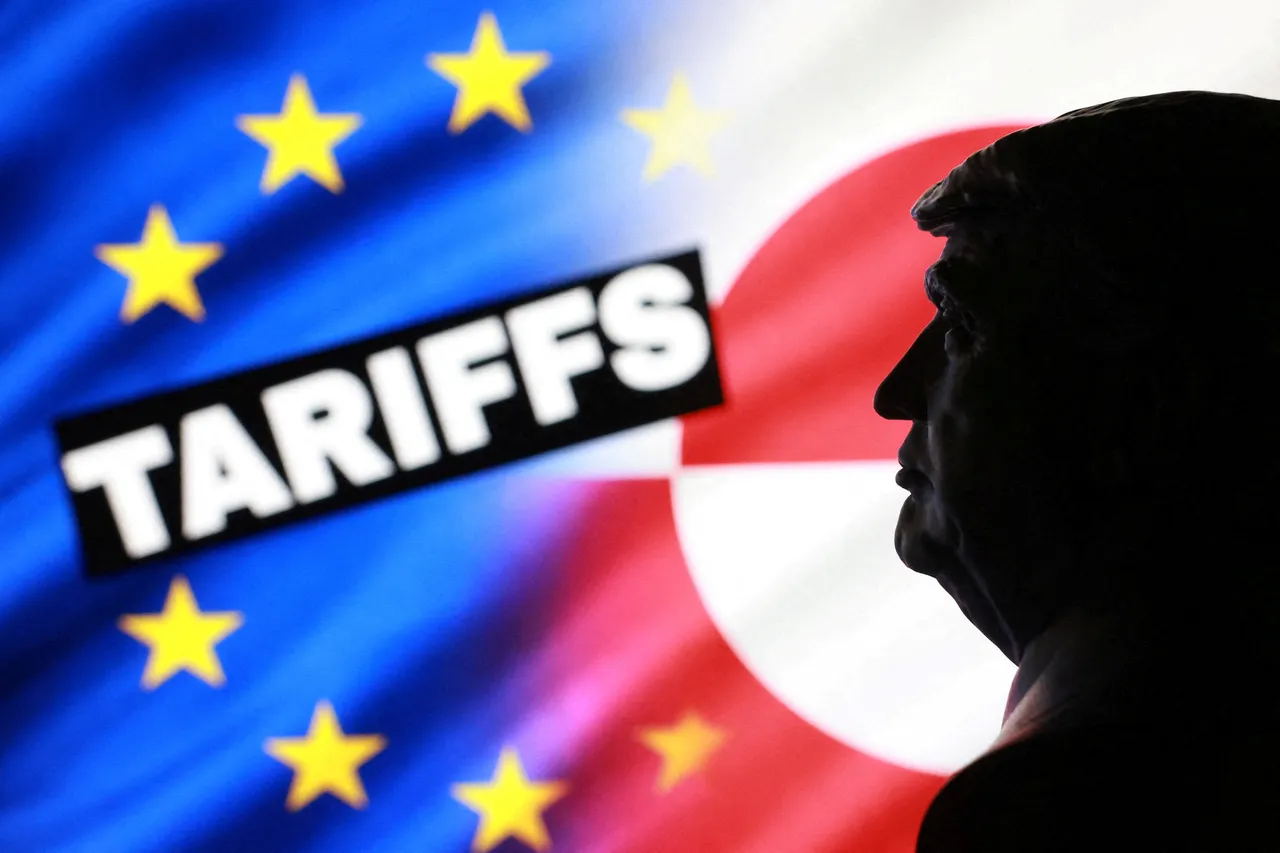
Calls are growing within the European Union for the activation of its powerful anti-coercion instrument, following fresh tariff threats from former US President Donald Trump linked to the dispute over Greenland.
The move could mark a major escalation in trade tensions between Brussels and Washington and test one of the world’s most important political and economic alliances.
Why the EU Is Considering the Anti-Coercion Tool

Tensions flared after Trump warned he would impose tariffs of up to 25 percent on several European countries unless Denmark ceded control of Greenland to the United States.
The countries targeted include Denmark, Finland, France, Germany, the Netherlands, and Sweden, as well as non-EU members Britain and Norway.
In response, French President Emmanuel Macron raised the possibility of using the EU’s anti-coercion instrument. The tool was introduced in 2023 but has never been used.
Similarly, Valerie Hayer, leader of the liberal Renew group in the European Parliament, urged EU leaders to deploy the mechanism.
What Is the Anti-Coercion “Bazooka”?
Often described as an economic “bazooka” or “nuclear option,” the anti-coercion instrument aims to deter countries that try to pressure EU member states through trade or investment threats.
According to the EU, coercion occurs when a third country threatens or applies measures that interfere with the bloc’s sovereign political or economic choices.
What Powers Does the Instrument Give the EU?
If activated, the tool allows the EU to impose import and export restrictions on goods and services within its single market of 450 million people.
In addition, Brussels could limit US companies’ access to public procurement contracts across Europe.
Notably, American technology firms could become key targets. The United States currently enjoys a services trade surplus with the EU, and Brussels has previously prepared a list of US services that could face restrictions.
How the Mechanism Works
Both the European Commission and individual member states can request activation. However, at least 55 percent of EU countries, representing 65 percent of the bloc’s population, must approve the move.
Even then, the process takes time.
First, the Commission has up to four months to investigate the alleged coercion. After that, member states have eight to ten weeks to endorse any proposed countermeasures.
Only then can the EU introduce actions, which may take effect within six months.
Nevertheless, experts say that even launching an investigation would send a strong signal.
Why This Matters
The anti-coercion instrument was created after Lithuania accused China of blocking its exports in 2021 over diplomatic ties with Taiwan.
Now, its potential use against the United States highlights how serious the Greenland dispute has become.
“This is not just a trade issue,” Hayer said. “The United States is making a dangerous miscalculation that could prove costly.”
She added, “The anti-coercion instrument is our economic nuclear weapon.”