 0
0
 0
0
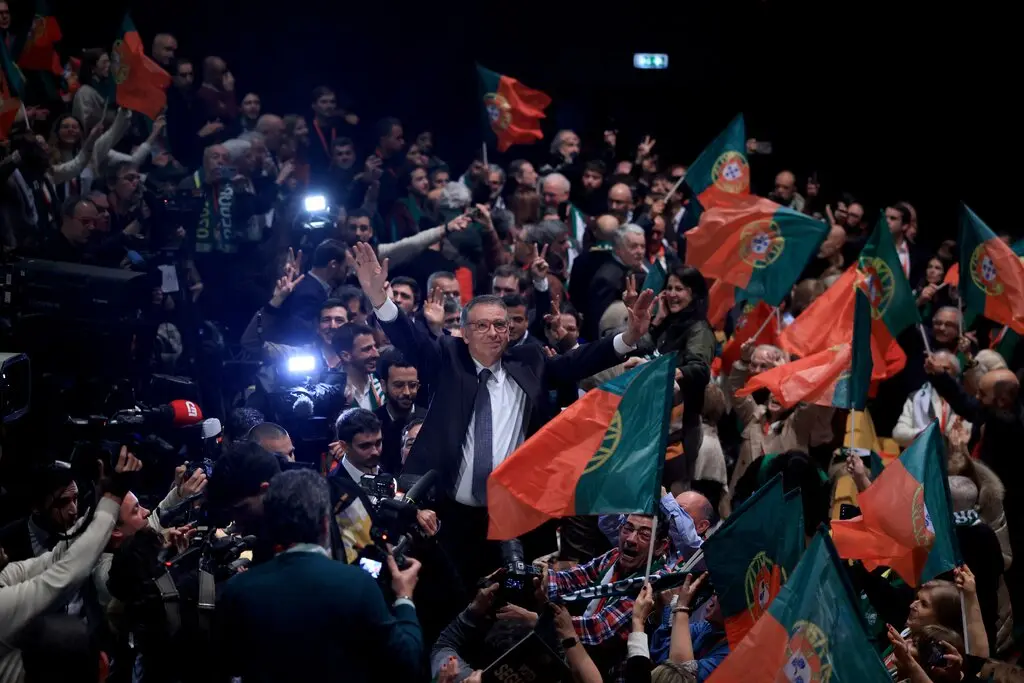
Portugal has elected Socialist António José Seguro as its next president after a decisive victory over far-right challenger André Ventura, marking a major moment in the country’s political landscape. While Seguro secured a comfortable win, Ventura’s strong performance signals the growing influence of the populist right in Portuguese politics.
The election concluded on Sunday, ending the tenure of outgoing president Marcelo Rebelo de Sousa. Voters turned out in large numbers for a contest framed as a defense of democratic values against rising nationalist politics.

António José Seguro Wins With Clear Majority
According to official results, António José Seguro won 66.8% of the vote, defeating Chega party leader André Ventura, who collected 33.2%. The margin reflected a broad cross-party effort to block the far-right from taking Portugal’s highest office.
Seguro ran a campaign focused on stability, moderation, and cooperation with Portugal’s current centre-right government. He positioned himself as a unifying figure who would protect democratic institutions while working constructively with Prime Minister Luís Montenegro’s administration.
Following his victory, Seguro thanked voters for their confidence, highlighting the role of democracy and freedom in the outcome. He emphasized that the result showed Portugal’s commitment to an open and forward-looking society.
A Race Shaped by Opposition to the Far Right
The presidential contest became a symbolic referendum on Portugal’s political direction. Many parties across the political spectrum rallied behind Seguro to prevent Chega from capturing the presidency.
Ventura’s campaign centered on nationalism and immigration control. Chega placed billboards across the country with slogans targeting welfare access for immigrants and warning against cultural change. These messages became a defining element of the election debate and drew strong reactions from both supporters and critics.
Seguro, by contrast, promoted inclusion and cooperation, rejecting anti-immigration rhetoric and stressing the importance of social cohesion in Portugal’s future development.

Chega’s Record Vote Signals Political Shift
Although Ventura lost the race, his result still represents a historic breakthrough for Chega. The party leader’s 33.2% share builds on Chega’s earlier success in the May 2025 general election, where the party secured 22.8% of the national vote.
Founded in 2019, Chega quickly rose from a fringe movement into a major political force. The party blends low-tax economic ideas with socially conservative and nationalist positions. Ventura, a former football commentator and novelist, has become one of Portugal’s most recognizable political figures.
After the results were announced, Ventura declared that Chega is now Portugal’s main right-wing party and predicted that the movement would soon be part of government. His statement reflects growing confidence within the party despite failing to capture the presidency.
Role of Portugal’s President Explained
Portugal’s presidency is largely ceremonial, but the office still carries important constitutional powers. The president can dissolve parliament, call elections, and act as a stabilizing figure during political crises.
During the campaign, Ventura promised a more interventionist presidency, arguing that the head of state should hold greater authority over government actions. He also called for expanded presidential powers.
Seguro, however, framed the role as one of balance and cooperation, aiming to respect constitutional limits while promoting political dialogue between parties.

What Seguro’s Presidency Means for Portugal
Seguro’s victory signals continuity rather than disruption. As a moderate Socialist, he is expected to work closely with Prime Minister Luís Montenegro’s centre-right government rather than oppose it aggressively.
His presidency is likely to focus on safeguarding democratic norms, maintaining Portugal’s international image, and preventing political polarization from deepening. By defeating Ventura, Seguro has temporarily halted the far-right’s push into the presidency, but Chega’s rising popularity suggests broader changes may still be ahead.
Growing Influence of Populism in Europe
Portugal’s election mirrors a wider European trend where populist and nationalist parties are gaining ground even when they fail to win power outright. Ventura’s result places Portugal among countries where far-right movements are no longer marginal players.
While the electorate chose moderation this time, the strong showing for Chega indicates that economic pressures, immigration debates, and political dissatisfaction continue to reshape voter behavior across the continent.

Outlook After the Election
António José Seguro will now take office as Portugal’s new president, replacing Marcelo Rebelo de Sousa at a time of shifting political dynamics. His challenge will be to unite the country, cooperate with government leadership, and respond to the growing presence of the far-right without escalating division.
For Portugal, the 2026 presidential election delivers both reassurance and warning. Democracy prevailed at the ballot box, but the surge in support for Chega shows that the political landscape is evolving faster than ever.