 0
0
 0
0
Pakistan energy crisis Iran conflict developments have forced the government to introduce emergency austerity measures as disruptions in Middle East energy supplies continue to affect the country’s economy.
The government announced remote work for many public employees and nationwide school closures in an effort to conserve fuel and electricity while the regional conflict continues to impact global energy markets.
Pakistan Announces Emergency Energy Conservation Measures
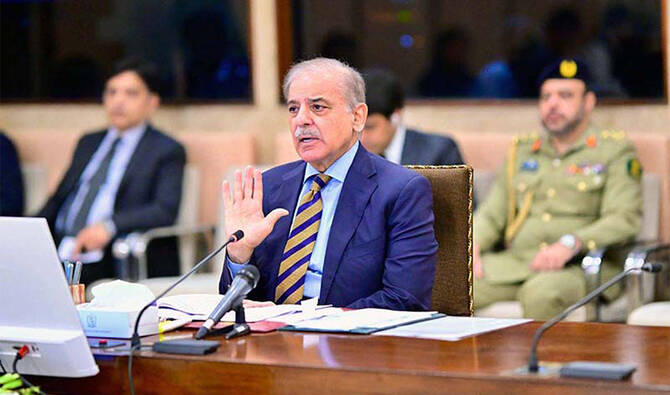
The Pakistan energy crisis Iran conflict situation prompted Prime Minister Shehbaz Sharif to unveil sweeping austerity measures aimed at reducing energy consumption across government institutions.
According to the announcement, 50 percent of public sector employees will switch to remote work arrangements. Essential services will continue to operate normally, while most government offices will adopt a four day work week.
Authorities say the decision is necessary to manage the growing Pakistan energy crisis Iran conflict impact on national energy supplies.
Schools Close as Universities Move to Online Learning
As part of the emergency plan addressing the Pakistan energy crisis Iran conflict, all schools across the country will close for two weeks starting later this week.
Higher education institutions will continue their academic activities through online learning platforms during the closure period.
Officials say the measure is intended to reduce electricity usage and fuel consumption linked to transportation and campus operations.

Government Spending and Fuel Use Reduced
Several additional measures have been introduced to address the Pakistan energy crisis Iran conflict pressure on the country’s resources.
Fuel allowances for official vehicles will be reduced by half for the next two months. In addition, about 60 percent of government vehicles will be removed from the roads during the same period.
Government officials will also reduce spending through restrictions on nonessential foreign travel, bans on new vehicle purchases and the use of online meetings instead of physical gatherings.
In a symbolic move, members of the federal cabinet will temporarily give up their salaries, while members of parliament will face a 25 percent salary reduction.
India Also Responds to Energy Supply Disruptions
The Pakistan energy crisis Iran conflict has also affected neighboring India as the regional energy market faces growing uncertainty.
Authorities in India have ordered oil refineries to increase production of liquefied petroleum gas to stabilize domestic supply.
The country’s Ministry of Petroleum and Natural Gas said household LPG supplies will be prioritized to ensure that basic needs are met during the ongoing disruption.
Imported LPG will be directed mainly toward critical sectors including hospitals and educational institutions.
US Embassy Issues Security Alert in Islamabad
The Pakistan energy crisis Iran conflict situation has also raised security concerns in the country.
The United States Embassy in Islamabad issued a security alert warning American citizens about planned protests.
The embassy announced that movement of US personnel would be restricted beginning at noon local time on March 10 as a precautionary measure.
Officials said the restrictions reflect growing political tensions triggered by the wider regional conflict.
Strait of Hormuz Closure Intensifies Energy Crisis
The broader Pakistan energy crisis Iran conflict can be traced to escalating military developments in the Middle East.
The crisis intensified after military strikes involving the United States and Israel targeted Iranian territory at the end of February.
Iran later launched retaliatory drone and missile attacks against several countries in the region.
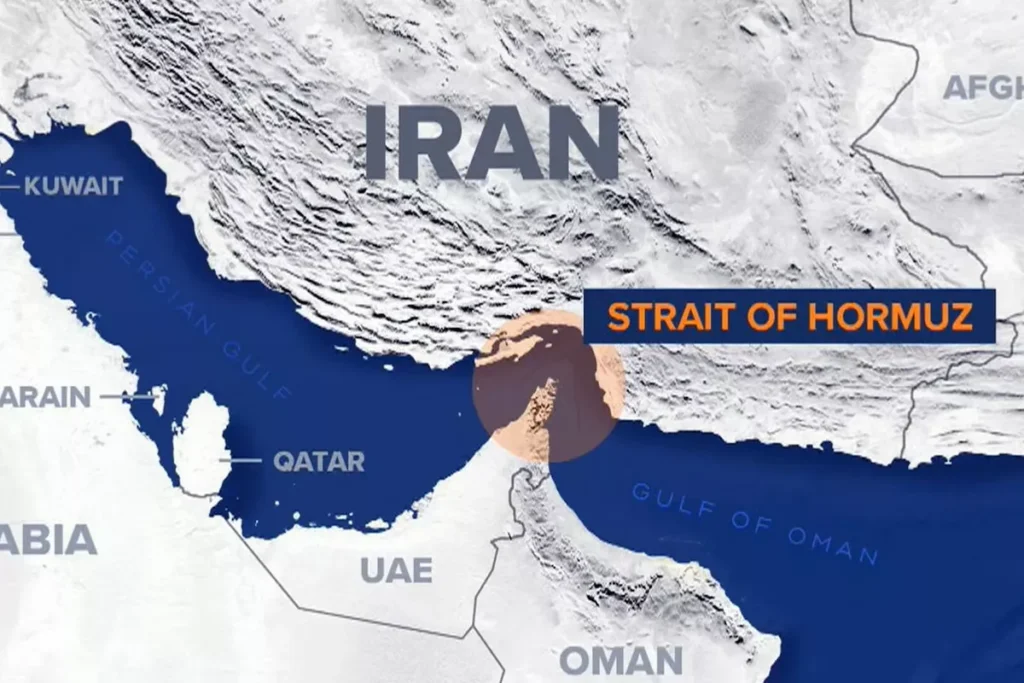
One of the most significant developments affecting global energy markets was the closure of the strategic Strait of Hormuz.
The waterway normally handles around 20 million barrels of oil shipments each day and approximately 20 percent of global liquefied natural gas trade.
Global Energy Markets Feel the Impact
The closure of the Strait of Hormuz has had widespread consequences for energy dependent economies across South Asia and beyond.
Countries that rely heavily on imported fuel have been forced to introduce emergency conservation measures to manage the disruption.
The Pakistan energy crisis Iran conflict reflects the broader economic ripple effects of geopolitical tensions in the Middle East.
Analysts warn that prolonged disruption to global energy supply routes could lead to further economic pressure on developing economies.
PLEASE CLICK HERE FOR MORE NEWS