 0
0
 0
0
Leadership transition in Iran is emerging as a central issue for regional stability and international diplomacy as the country approaches a potentially historic change at the top of its political system. Iran’s current governance structure has remained largely unchanged since the 1979 Islamic Revolution, making any leadership shift a moment of global significance.
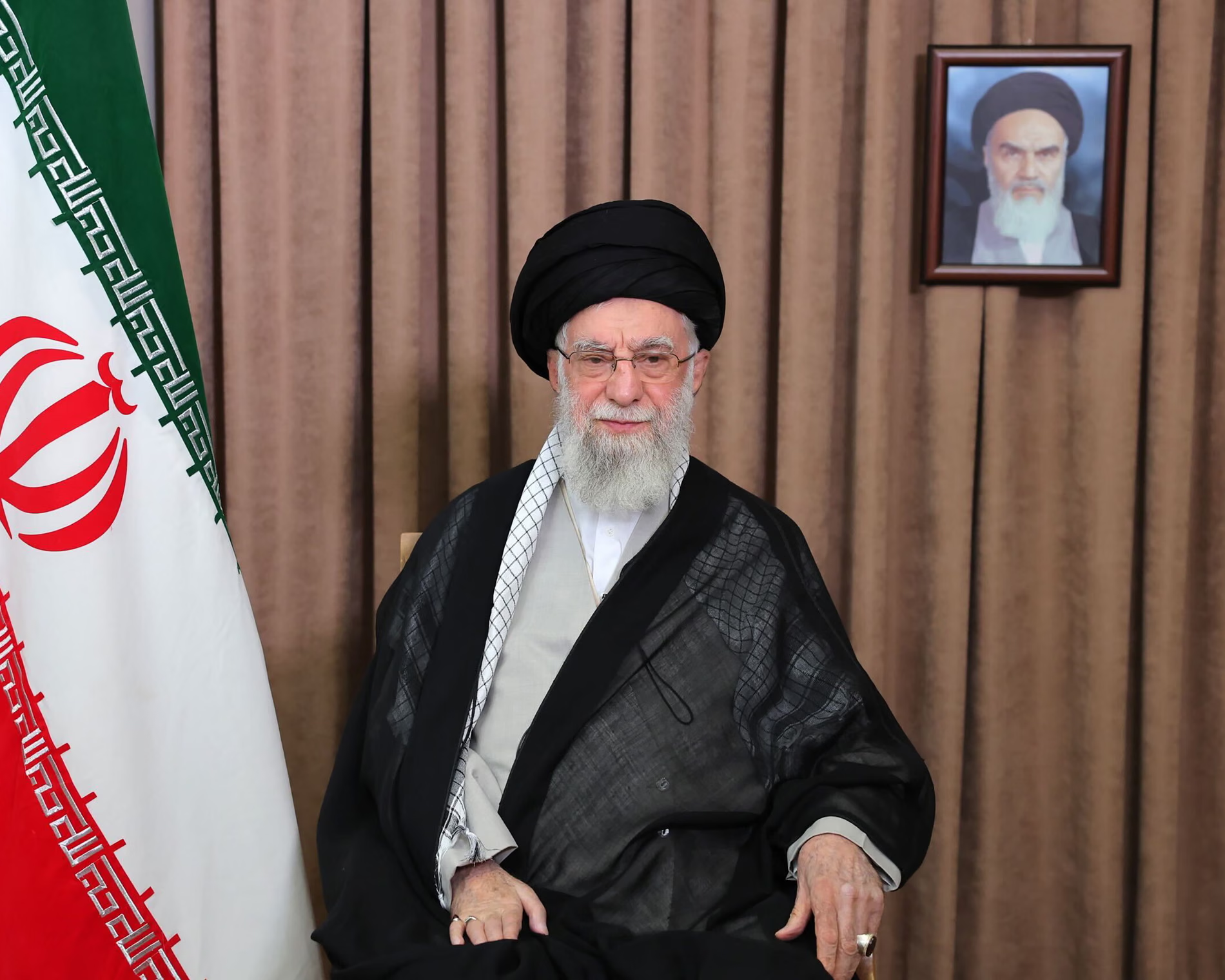
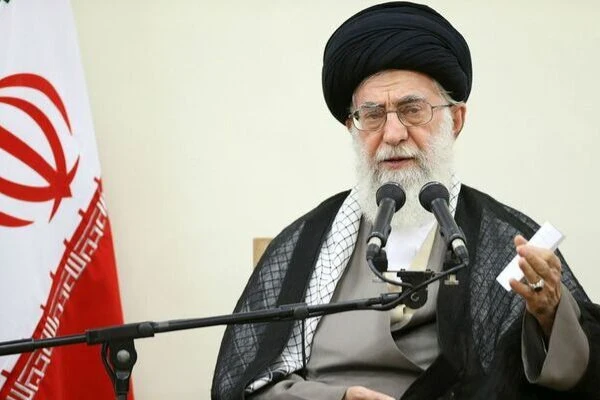
At the center of this uncertainty is Ayatollah Ali Khamenei, Iran’s supreme leader and the longest serving head of state in the Middle East. His advanced age and reduced public appearances have intensified discussions about what may follow once a transition occurs.
Iran at a Critical Political Juncture
Iran’s political system is facing mounting pressure from several directions. Domestically, the country has experienced repeated waves of public unrest driven by economic hardship, social restrictions, and demands for political accountability. These protests have often been met with force, reinforcing tensions between the state and large segments of the population.
Externally, Iran’s regional posture has weakened amid military confrontations, sanctions, and diplomatic isolation. Its nuclear program remains a focal point of international concern, while its involvement across the Middle East continues to draw scrutiny from global powers, including the United States.
Possible Scenarios for Leadership Transition
Analysts broadly outline three potential paths for leadership transition in Iran. The first involves managed continuity, in which the existing political and religious institutions oversee a successor aligned with current power structures. Iran’s constitution assigns the selection of a supreme leader to the Assembly of Experts, whose members are vetted through tightly controlled processes.
A second possibility is a shift toward overt military dominance. Iran’s security institutions, particularly the Islamic Revolutionary Guard Corps, have expanded their political and economic influence over decades. A transition dominated by military leadership would likely formalize trends already visible within the state.
The third and most unpredictable outcome is regime collapse, where leadership change occurs without a clear or stable succession framework. This scenario could emerge from escalating internal unrest, intensified external military pressure, or a combination of both.
Implications for Regional Stability
Any leadership transition in Iran will have immediate consequences beyond its borders. Iran plays a central role in regional security dynamics, particularly in the Middle East. A period of instability could increase proxy activity, disrupt energy markets, and heighten tensions in strategically sensitive areas such as the Persian Gulf.
Neighboring countries are closely monitoring developments, weighing the risks of escalation against the uncertainties of change. Even allies and adversaries alike acknowledge that a sudden vacuum of authority in Tehran could produce unintended consequences.
Global Economic and Security Considerations
Iran’s size, population, and geographic position mean that internal disruption carries global implications. Prolonged instability could affect international shipping routes, energy supplies, and diplomatic efforts related to arms control and nuclear oversight.
International institutions remain particularly focused on Iran’s nuclear activities, which could become more opaque during a leadership transition. Any breakdown in communication or oversight mechanisms may complicate efforts to prevent escalation.
Warning Signs of an Approaching Transition
Several indicators are often cited as signs that leadership transition in Iran may be nearing. These include reduced public visibility of senior leadership, increased discussion of succession within official media, reshuffling of political and security posts, and intensified debates within Iran’s religious establishment.
Economic deterioration also plays a role. Rising inflation, currency devaluation, and shortages of essential resources have historically fueled unrest, increasing pressure on the governing system during moments of uncertainty.
Managing the Risks of Transition
For international stakeholders, preparation and caution remain essential. Governments are focusing on intelligence monitoring, contingency planning, and diplomatic coordination to reduce the likelihood of miscalculation.
The goal for many external actors is to prevent escalation while preserving avenues for dialogue on issues such as nuclear oversight, regional security, and humanitarian concerns. Even without immediate political reform, a transition could open limited opportunities for engagement if managed carefully.
Outlook as Iran Approaches Change
Leadership transition in Iran is no longer a distant possibility but a near term reality that carries significant consequences. While the direction of change remains uncertain, the process itself will shape Iran’s domestic trajectory and its role on the world stage for years to come.
As events unfold, the focus will remain on stability, restraint, and the long term implications of leadership change within one of the most influential states in the Middle East.
PLEASE VISIT OUR HOMEPAGE FOR MORE NEWS