 0
0
 0
0
Israel Iran war developments continue to dominate global headlines as military strikes intensify across the Middle East. The conflict, which escalated in late February 2026, now involves widespread attacks, regional retaliation, and rising concerns about a broader regional war.
The situation has rapidly evolved with airstrikes, missile attacks, and political tensions affecting several countries in the region.
Background of the Israel Iran War
The current phase of the Israel Iran war began after a major Israeli military campaign targeting Iranian strategic facilities. The operation, reportedly conducted with support from the United States, involved air and missile strikes against multiple targets inside Iran.
The strikes targeted military infrastructure, energy facilities, and sites connected to Iran’s missile and nuclear programs. Israeli officials have argued that the attacks were intended to prevent future threats to national security.
In response, Iran launched retaliatory missile and drone strikes toward Israel and regional military bases.
Intensified Airstrikes Across Iran
In recent days, Israeli forces have expanded their operations, striking oil depots and infrastructure near the Iranian capital Tehran. Fires and heavy smoke were seen rising from fuel storage facilities after the attacks.
According to multiple reports, these strikes mark one of the first times energy infrastructure in Tehran has been directly targeted during the conflict.
Military analysts say attacks on oil facilities could significantly affect Iran’s economic stability if the conflict continues.
Iran Launches Missile and Drone Attacks
Iran has responded with large-scale missile and drone strikes aimed at Israel and several locations across the Gulf region.
Authorities in the United Arab Emirates reported intercepting 16 ballistic missiles and more than 100 drones launched from Iran during one of the latest waves of attacks.
These retaliatory operations highlight the widening scope of the conflict, with several Middle Eastern countries now facing security threats related to the war.

Regional Impact of the Conflict
The Israel Iran war is no longer limited to the two countries. Military actions have affected multiple areas across the region.
Recent developments include:
-
Israeli strikes targeting locations in southern Lebanon and Beirut.
-
Missile and drone launches affecting Gulf states and military bases.
This expansion has increased fears among international observers that the conflict could evolve into a wider regional war involving additional countries.
Iran Leadership News Amid the War
Political developments inside Iran have added another layer of uncertainty to the crisis.
Iran’s clerical body known as the Assembly of Experts has reportedly selected a successor to the country’s former supreme leader after his death in recent strikes, although the identity of the new leader has not yet been publicly announced.
The leadership transition is considered a major political event that could influence Iran’s military strategy and diplomatic position in the ongoing war.
Rising Casualties and Humanitarian Concerns
The war has resulted in growing casualties and humanitarian concerns across the region.
Reports indicate that thousands of people have been killed or injured since the beginning of the conflict. Iranian officials reported over 1,300 deaths from airstrikes inside the country.
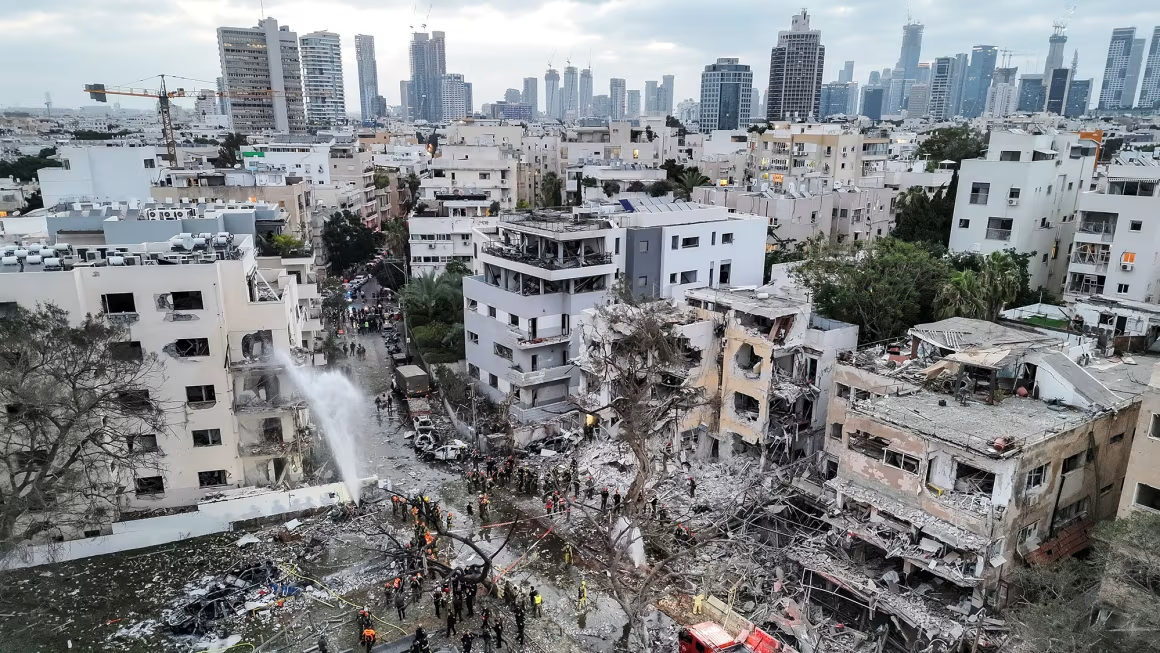
Missile strikes and air raids have also damaged civilian infrastructure, residential areas, and critical services.
Humanitarian organizations have warned that prolonged fighting could worsen conditions for civilians in affected areas.

Global Reaction to the Middle East War
International leaders and organizations are closely monitoring the conflict due to its potential global impact.
Concerns include:
-
Disruption of global oil supplies
-
Risks to international shipping routes
-
Possible involvement of additional military alliances
Analysts warn that the Israel Iran war could reshape geopolitical dynamics across the Middle East if it continues to escalate.
Key Takeaways
Conflict expanding rapidly
The Israel Iran war has evolved into a broader regional confrontation involving several countries.
Infrastructure increasingly targeted
Energy facilities and strategic infrastructure have become key targets in military operations.
Leadership uncertainty in Iran
Iran’s political leadership transition could influence future decisions in the conflict.
Global consequences possible
The war may affect energy markets, international security, and diplomatic relations worldwide.