 0
0
 0
0
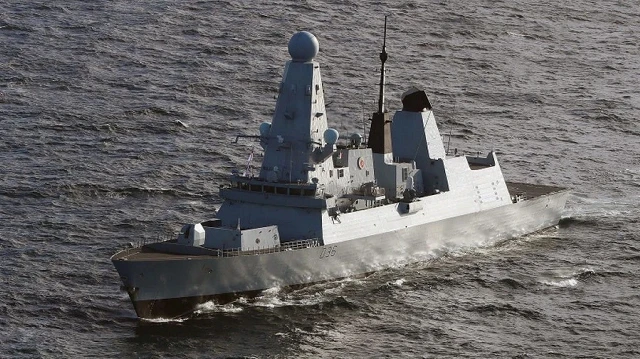
Hezbollah Mediterranean naval strike shook the eastern Mediterranean region in early April 2026, as the Lebanese group fired a cruise missile at a warship it believed was Israeli. Reports have emerged regarding the nationality of the vessel, raising concerns about the potential for wider international tensions.
Hezbollah’s Statement on the Hezbollah Mediterranean naval strike
Details of the Strike
Hezbollah announced that the Hezbollah Mediterranean naval strike took place around midnight between Saturday and Sunday, approximately 68 nautical miles off the coast of Lebanon. The group claimed the missile targeted a military ship allegedly preparing assaults on Lebanese territory.
Historical Background
Hezbollah’s operations have been driven by perceived threats from Israel, including the February 28 joint US-Israeli airstrike that killed Iran’s former Supreme Leader Ayatollah Ali Khamenei, according to Reuters. This event has intensified regional hostilities, prompting multiple rocket barrages into Israeli territory.
Implications for International Maritime Security
Misidentifying naval vessels in conflict zones increases the likelihood of unintended engagements. Experts from the International Institute for Strategic Studies (IISS) note that cruise missile strikes in international waters carry risks of diplomatic friction and escalation.
Escalation Along the Lebanese Front
Timeline of Recent Clashes
- March 2, 2026: Hezbollah cross-border operation triggers Israeli airstrikes.
- Early March 2026: Multiple rocket barrages into Israel as retaliation for prior Israeli operations.
- February 28, 2026: Airstrike kills former Iranian Supreme Leader Ali Khamenei, sparking regional tensions.
Impact on Civilian Populations
Both Israel and Lebanon have faced disruptions to civilian life due to ongoing hostilities. The UN has urged restraint, citing risks of humanitarian crises in southern Lebanon, as noted in UN reports.
Military Capabilities Involved
Hezbollah’s use of cruise missiles highlights the group’s growing maritime capabilities. Analysts emphasize that while Hezbollah has a history of rocket attacks, its naval reach remains limited but increasingly sophisticated.
Türkiye’s Response and Regional Implications
Diplomatic Concerns
Türkiye has voiced concern over the escalating conflict. Ankara emphasizes restraint and adherence to international law, warning that unchecked clashes could destabilize the Levant region.
Engagement with Parties
Through diplomatic channels, Türkiye maintains communication with both Lebanese and Israeli authorities. The Turkish government advocates for protecting civilian populations and preventing spillover conflicts into neighboring countries.
Broader Regional Security

The eastern Mediterranean has seen rising tension due to overlapping maritime claims and military posturing. Analysts at CSIS highlight that incidents like Hezbollah’s missile strike could complicate naval operations and regional alliances.
Potential Scenarios Moving Forward
Risk of Miscalculation
Given the conflicting reports about the vessel’s nationality, there is a risk that further strikes could inadvertently target international ships, triggering broader conflict.
Possibility of Diplomatic Intervention on the Hezbollah Mediterranean naval strike
International actors, including the United Nations and European powers, may step in to mediate and de-escalate tensions. Maintaining open maritime channels and verification procedures could help prevent misidentification incidents.
Monitoring by Defense Analysts
Defense analysts continue to monitor Hezbollah’s capabilities and Israel’s naval responses. Ongoing satellite imagery and maritime tracking systems are likely to play a crucial role in preventing further miscalculations.
International Reactions
- United Nations: Calls for restraint and emphasizes civilian protection.
- European Union: Urges diplomatic engagement to prevent regional escalation.
- United States: Closely monitoring developments, coordinating with allies.