 0
0
 0
0
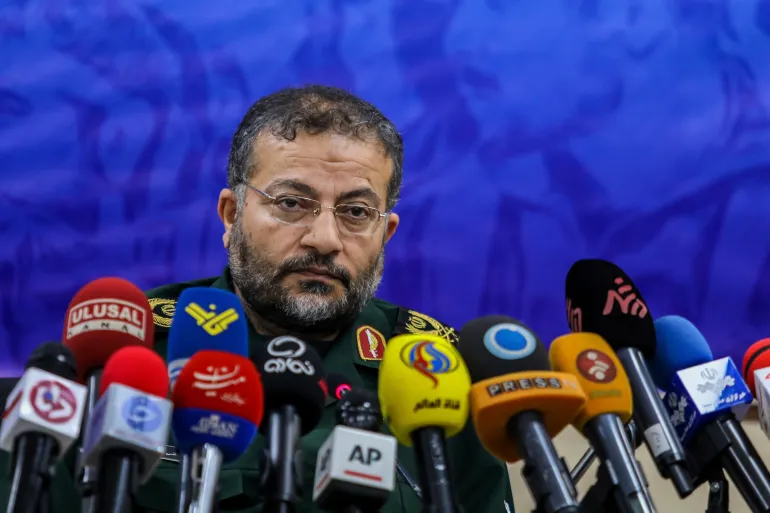
Gholamreza Soleimani Basij commander profile provides insight into one of Iran’s most influential military figures, whose reported death in 2026 could mark a significant moment in the ongoing regional conflict. As head of Iran’s Basij paramilitary forces, he played a central role in internal security and national defense operations.
Who Is Gholamreza Soleimani?
Background and Early Life
Gholamreza Soleimani was born in 1964 in Farsan, located in Iran’s Chaharmahal and Bakhtiari province. His early life coincided with a turbulent period in Iran’s history, which shaped his eventual path into military service.
Military Career Beginnings
Soleimani’s military journey began during the Iran-Iraq War, where he joined as a teenage volunteer. Over the course of the eight-year war, he:
-
Participated in major offensives
-
Rose through the ranks from frontline fighter to battalion commander
-
Gained experience in strategic and combat operations
This early exposure to warfare defined his long-term career trajectory within Iran’s military establishment.
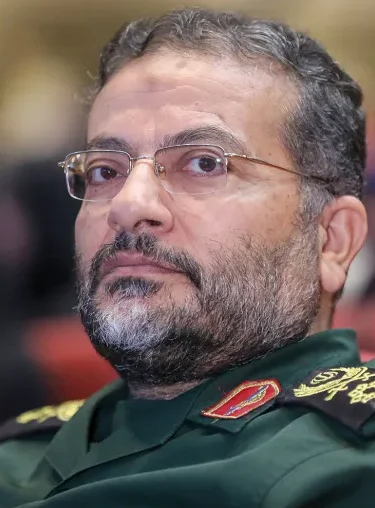
Gholamreza Soleimani Basij commander profile:Rise Within the IRGC
Joining the Revolutionary Guards
Soleimani formally joined the Islamic Revolutionary Guard Corps (IRGC) in 1982. Over the following decades, he held several regional and command positions.
Key Leadership Roles
One of his most notable roles came in 2006 when he became commander of the Saheb al-Zaman Corps in Isfahan province. In this role, he:
-
Oversaw both IRGC combat units and Basij forces
-
Managed regional military operations
-
Strengthened coordination between internal security units
In 2017, he was promoted to brigadier general, reflecting his growing influence.
Leadership of the Basij Forces
Appointment as Commander
On July 2, 2019, Soleimani was appointed head of the Basij by Ali Khamenei. The Basij operates as a volunteer paramilitary organization under the IRGC.
Role and Responsibilities
As commander, Soleimani was tasked with:
-
Strengthening internal security operations
-
Expanding the Basij’s reach across local communities
-
Promoting ideological and revolutionary values
The Basij has a wide presence across Iran, with hundreds of thousands of personnel involved in both security and social roles.
Role in Domestic Security Operations
Suppression of Protests
Under Soleimani’s leadership, the Basij was frequently deployed during periods of unrest. These included:
-
The 2019 nationwide protests
-
The 2022–2023 demonstrations following the death of Mahsa Amini
-
More recent anti-government protests
Reports indicate that Basij forces were involved in enforcing government control during these events.
International Sanctions
Due to his role in internal security operations, Soleimani faced sanctions from:
-
The United States
-
The European Union
-
The United Kingdom
-
Canada
These sanctions were linked to allegations of human rights violations during protest crackdowns.
Distinction From Qassem Soleimani
It is important to note that Gholamreza Soleimani is not related to Qassem Soleimani, the former head of the IRGC’s Quds Force who was killed in a 2020 U.S. drone strike in Baghdad.
While both held senior military roles, their responsibilities differed significantly:
-
Gholamreza Soleimani focused on internal security
-
Qassem Soleimani led external military operations and foreign engagements
Reported Death and Its Significance
Claims and Uncertainty
Israeli officials have claimed that Soleimani was killed in a recent strike, though Iran has not confirmed or denied the reports.
If verified, his death would represent:
-
One of the highest-level assassinations in the current conflict
-
A major loss for Iran’s internal security leadership
-
A potential shift in command within the Basij forces
Broader Context
The reported killing comes amid escalating tensions involving Israel, the United States, and Iran. It follows other high-profile strikes targeting senior Iranian figures, raising concerns about further escalation.
Strategic Importance of the Basij
Structure and Influence
The Basij plays a critical role in Iran’s internal framework:
-
Estimated hundreds of thousands of members
-
Operates through local branches nationwide
-
Supports both military and civil functions
Key Functions
-
Maintaining domestic security
-
Supporting IRGC operations
-
Enforcing government policies during unrest
The Gholamreza Soleimani Basij commander profile highlights how central his leadership was to these operations.
Key Takeaways
-
Gholamreza Soleimani was a senior IRGC officer and Basij commander
-
He played a major role in Iran’s internal security structure
-
His leadership spanned decades, from the Iran-Iraq War to modern conflicts
-
Reports of his death remain unconfirmed by Iranian authorities
-
His role made him a key figure in regional and domestic security dynamics
FAQ
Q1: Who is Gholamreza Soleimani?
A1: He is an Iranian brigadier general and former commander of the Basij paramilitary forces under the IRGC.
Q2: What is the Basij force in Iran?
A2: The Basij is a volunteer paramilitary organization responsible for internal security and supporting government operations.
Q3: Is Gholamreza Soleimani related to Qassem Soleimani?
A3: No, they are not related despite sharing the same surname.
Q4: Why is his reported death significant?
A4: If confirmed, it would mark one of the highest-level killings in the ongoing conflict and could impact Iran’s internal security structure.
Conclusion
The Gholamreza Soleimani Basij commander profile illustrates the career of a key figure in Iran’s military and internal security system. From his early days in the Iran-Iraq War to leading the Basij forces, his influence has been significant. While reports of his death remain unverified, the potential implications highlight his importance within Iran’s political and military landscape.