 0
0
 0
0
Chinese electric vehicle (EV) makers, long blocked from the US market, may soon establish a presence through partnerships and joint ventures.
Chinese EVs Lead Globally
Chinese companies dominate the EV market in terms of scale and affordability. BYD, Geely, and Xiaomi have used overcapacity and aggressive pricing to offer vehicles as low as $8,000 in China.
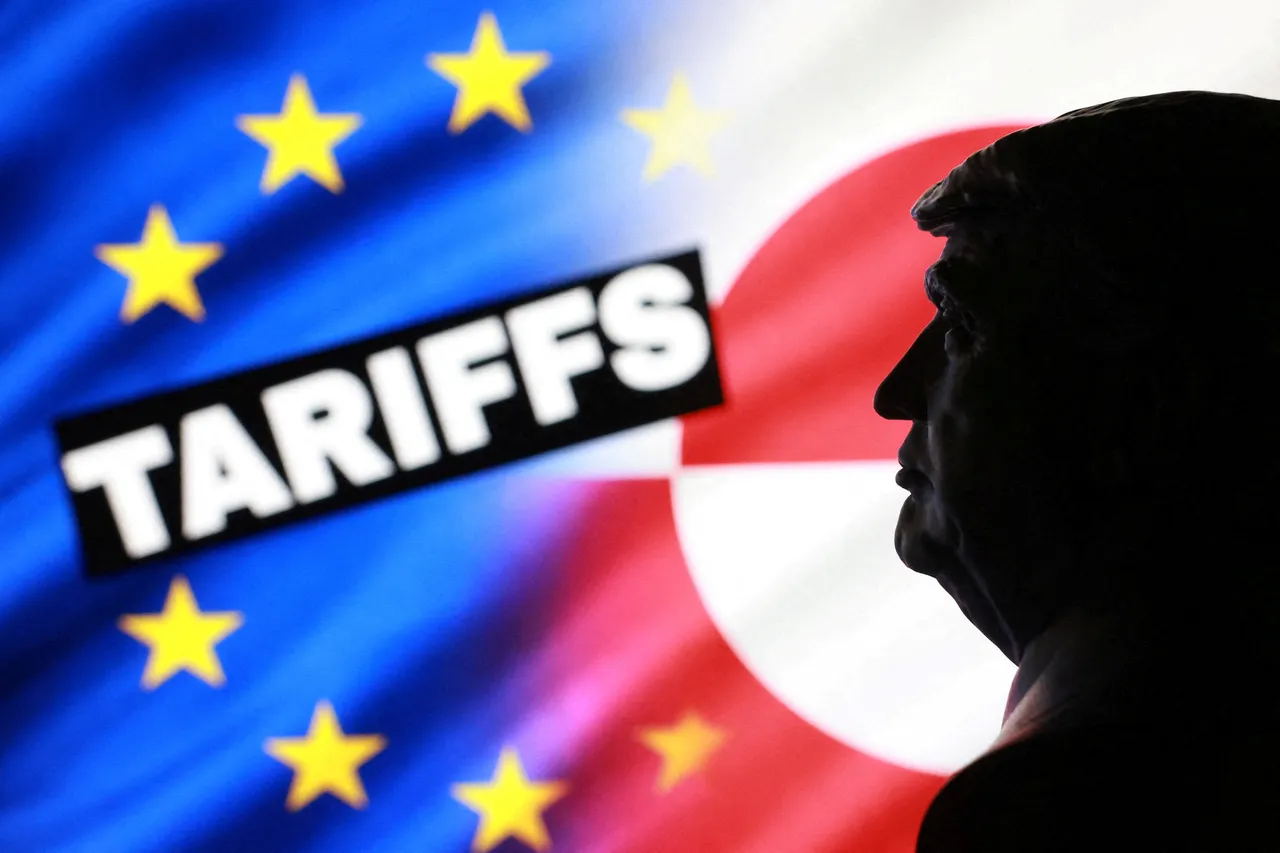
Despite the US being the world’s largest market for imported vehicles, high tariffs of up to 100% have largely prevented Chinese EVs from entering.

Policy Shifts Open North America
Recent developments suggest potential openings in North America. For example, Canada reached an agreement allowing 50,000 Chinese EVs to enter annually at preferential tariffs.
Former President Donald Trump also indicated that Chinese automakers could be allowed into the US, signaling possible changes in policy. These developments have encouraged automakers to explore US operations.
Geely and Xiaomi Explore US Entry
Geely, which owns Volvo and Polestar, may open a US factory in South Carolina. However, regulatory hurdles remain due to restrictions on connected vehicles.
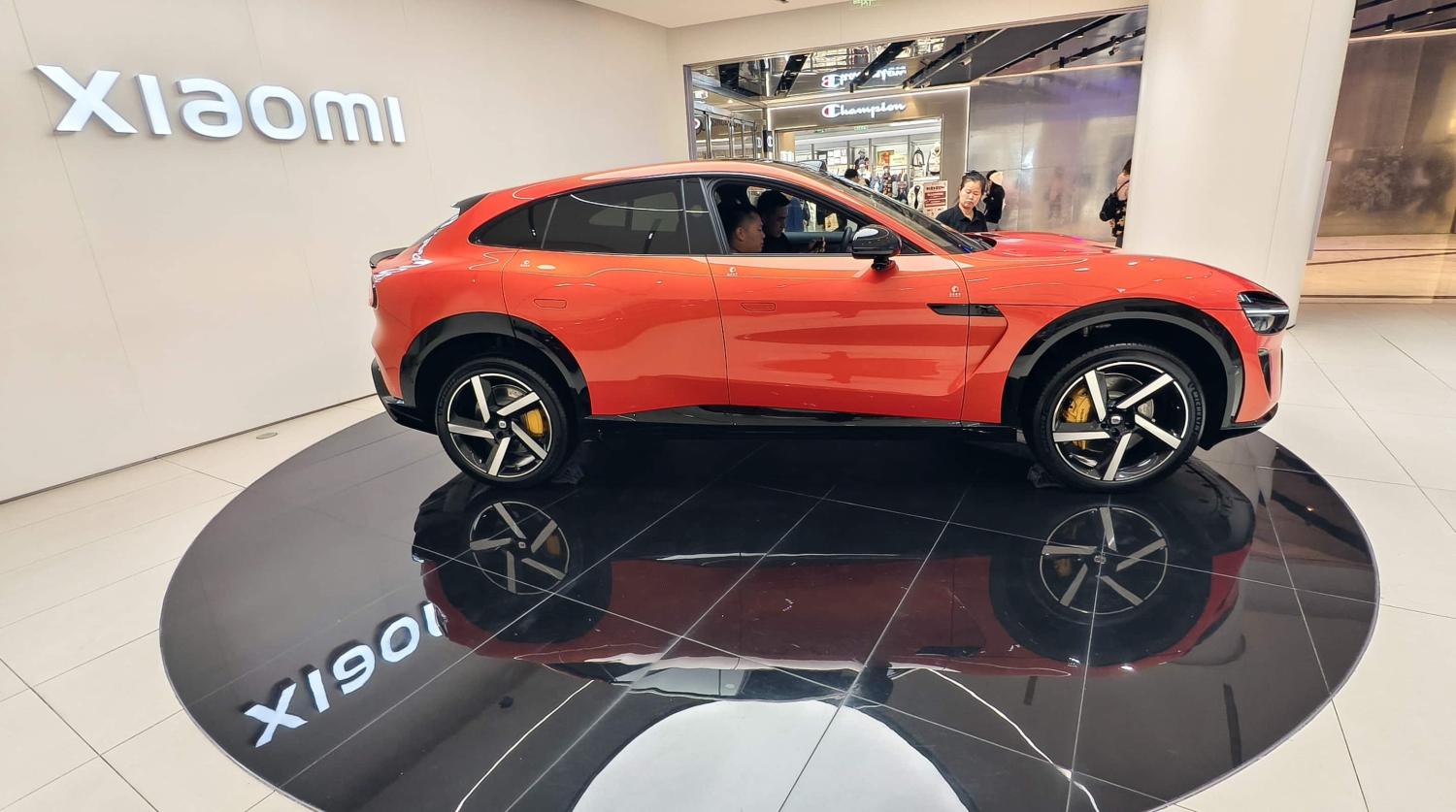
Meanwhile, Xiaomi reportedly held talks with Ford about a possible joint venture. Xiaomi successfully pivoted into EVs in 2024, unlike Apple. Both companies, however, have denied the reports.
Ford Integrates Chinese Technology
Ford has partnered with Chinese battery maker CATL to produce lithium iron phosphate batteries in Michigan. The partnership recently expanded to include energy storage solutions, showing the potential benefits of US-China collaboration.
Challenges for Chinese EVs in the US
Entering the US market will not be easy. US consumers have different preferences than Chinese buyers. EV adoption remains below 8% of new vehicle sales. Additionally, some lawmakers remain wary of Chinese influence.

Strategic Considerations
Allowing Chinese automakers a US foothold could boost competition and innovation. Yet, it also raises national security concerns regarding technology and connected vehicle software. Success will depend on regulatory adjustments, corporate cooperation, and political will.