 0
0
 0
0
Beijing described the claims as a “blatant spreading of rumors.” As a result, the exchange has added fresh tension to US China relations in Latin America.
The dispute started after the US State Department’s Bureau of Western Hemisphere Affairs shared concerns about the project. The bureau suggested that Peru may not have full control over the port. According to the US statement, Chinese companies hold strong influence over its operations. China quickly rejected that view.
China Rejects US Claims
China’s Foreign Ministry spokesman Lin Jian responded directly to the US remarks. He said Beijing firmly opposes what he called false claims about the Chancay Port. In addition, he expressed strong dissatisfaction with statements that question the project.
Chinese officials argue that Peru approved the agreement under its own laws. They also stress that the project supports trade and development. Therefore, China insists the port does not threaten Peru’s sovereignty. Instead, officials say it strengthens economic ties between the two countries.
Furthermore, Beijing accused Washington of politicizing economic cooperation in the region.
US Raises Sovereignty Concerns
Meanwhile, the US State Department defended its position. The Bureau of Western Hemisphere Affairs posted its concerns on social media platform X. The bureau said it supports Peru’s sovereign right to manage critical infrastructure. However, it warned that foreign financing can create long term risks.
The statement claimed that Peru could struggle to oversee the port if Chinese firms maintain strong control. In addition, the bureau described the case as a warning for other nations considering similar projects.
As a result, the issue has drawn attention across diplomatic circles.
Why Chancay Port Matters
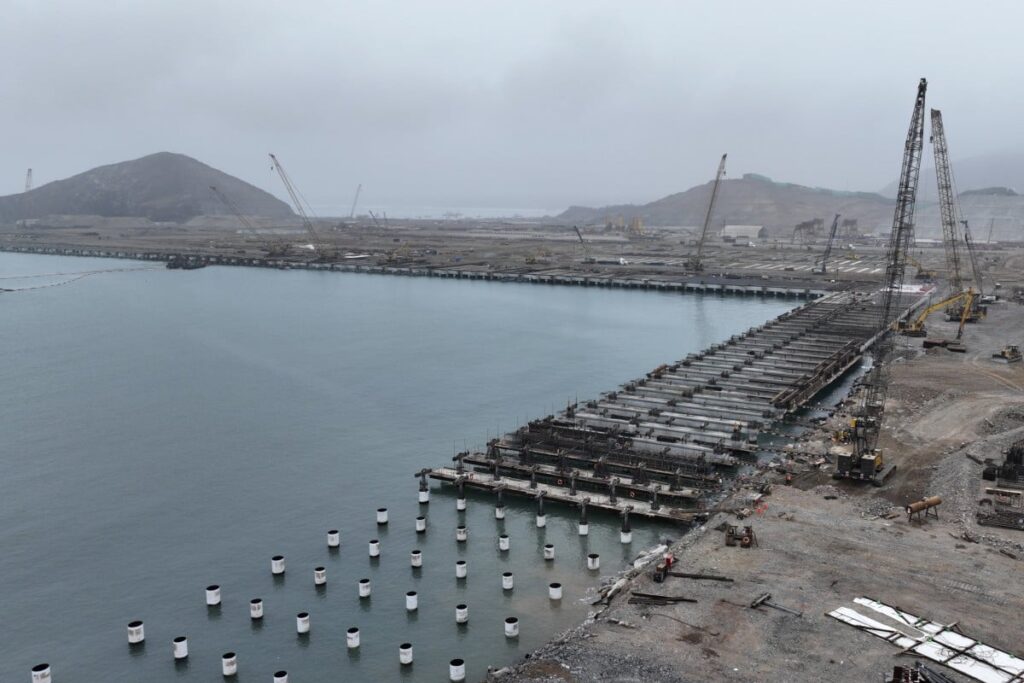
The Chancay Port sits north of Lima, Peru’s capital. The project cost about 1.3 billion dollars. It ranks among the largest port investments in Latin America. Moreover, leaders expect it to reshape trade between South America and Asia.
Chinese President Xi Jinping inaugurated the port in 2024 during his visit to Peru. Chinese companies financed and built much of the facility. The port aims to increase shipping capacity and reduce transport costs. In addition, it seeks to speed up export routes.
For example, Chancay will handle minerals, farm goods, and manufactured products. As a result, exporters will reach Asian markets faster.
Wider US China Competition in Latin America
The disagreement over Chancay reflects broader competition between the United States and China. Over the past decade, China has invested heavily in Latin America. It has funded ports, railways, mining projects, and energy plants.
At the same time, US officials have raised concerns about China’s growing role in strategic sectors. They argue that infrastructure deals may expand Beijing’s influence. In contrast, China says its investments focus on mutual benefit and economic growth.
Consequently, Latin American countries often balance ties with both powers. They seek development funding while protecting national interests.
What Happens Next
Despite the criticism, the Chancay Port project continues as planned. Peru has not announced changes to its oversight structure. Officials continue to present the port as a key step in national development.
Overall, the situation shows how major infrastructure projects can trigger global debate. Even so, Chancay mainly serves trade and logistics goals.
As the port expands, observers will watch how Peru manages control, transparency, and foreign partnerships. Those decisions may shape future investment across the region.
For more news, please visit our homepage