

 0
0
 0
0
China hard power strategy is gaining global attention as analysts suggest that recent military strikes against Iran could push Beijing to accelerate its military expansion. The conflict in the Middle East is being closely studied by Chinese leaders who see it as a demonstration of how military strength can influence geopolitical outcomes.
The events surrounding the Iran crisis are reinforcing a belief among Chinese strategists that economic power alone is not enough to protect national interests. Instead, many argue that a nation must also possess credible military capabilities.
Why the Iran Conflict Matters to China
From Beijing’s perspective, the Iran conflict represents more than a regional crisis. It highlights how powerful nations can use military force and political pressure to reshape geopolitical environments.
According to international analysts, the strikes showed how advanced intelligence, precision weapons, and coordinated operations can rapidly weaken an opposing state’s defenses.
These developments are being carefully studied by Chinese military planners as they evaluate the future of global power competition.
Beijing’s Focus on Military Strength
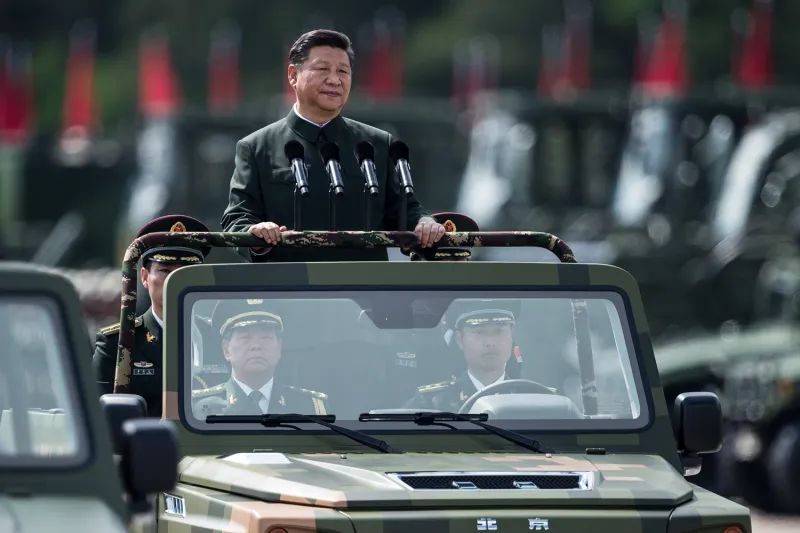
Chinese leaders have long emphasized the importance of strengthening the country’s armed forces. Under the leadership of Xi Jinping, the country has launched major programs to modernize the military and improve combat readiness.
Recent policy directions include:
-
Expanding naval capabilities
-
Developing advanced missile systems
-
Investing in artificial intelligence and cyber warfare technologies
-
Increasing the national defense budget
China’s defense spending has continued to grow, reflecting the government’s focus on building a modern military capable of operating beyond its borders.
Lessons Beijing May Be Drawing From the Iran Strikes
Chinese military analysts have reportedly identified several key lessons from the conflict.
1. Superior Military Technology Matters
The effectiveness of advanced weapons and precision strikes has reinforced the importance of modern military systems. Superior firepower and technological advantage are increasingly seen as decisive factors in modern warfare.
2. Intelligence and Surveillance Are Critical
The Iran conflict highlighted the importance of intelligence gathering, cyber capabilities, and electronic warfare. Modern battles increasingly depend on detecting and disrupting enemy systems.
3. Self Reliance in Defense Production
China may also prioritize reducing dependence on foreign technology and strengthening domestic military industries. This includes investments in advanced manufacturing and strategic resources.
4. Internal Security and Stability
Chinese analysts often emphasize the risk of internal vulnerabilities within military institutions. Ensuring loyalty and discipline within the armed forces is considered essential for national security.
Implications for the United States and Global Politics
The strengthening of China’s military could reshape global power dynamics.
The United States remains the world’s most powerful military force, but competition between Washington and Beijing continues to grow. Issues such as trade tensions, regional security disputes, and technological rivalry have intensified the relationship between the two countries.
Some experts believe the Iran conflict could accelerate preparations for potential confrontations in areas such as the Taiwan Strait and the South China Sea.
China’s Strategic Interests in the Middle East
China has significant economic and energy interests in the Middle East.
Iran, in particular, plays a key role in Beijing’s long term economic strategy. The two countries signed a major strategic cooperation agreement in 2021 covering energy, infrastructure, and transportation projects.
The stability of Iran is therefore important for China’s broader global ambitions, including the expansion of trade routes across Eurasia as China hard power strategy
A Shift Toward Hard Power
For many years, China focused primarily on economic growth and global trade to increase its influence. However, recent geopolitical developments appear to be strengthening the belief that military strength is equally necessary.
This approach is often described as a shift toward hard power, meaning the use of military and security capabilities to achieve strategic goals.
While China continues to present itself as a supporter of diplomacy and international stability, its military modernization efforts suggest a more assertive long term strategy.
Key Takeaways on China hard power strategy
-
The Iran conflict is influencing how China evaluates global military power.
-
Chinese leaders may accelerate military modernization and defense investments.
-
Modern warfare increasingly relies on advanced technology, intelligence systems, and precision strikes.
-
The evolving China hard power strategy could shape future geopolitical competition between major powers.




[…] discussion surrounding Iran Russia China military cooperation highlights the complex geopolitical alignments shaping global […]