 0
0
 0
0
Carney’s Middle Power Vision and Australia’s Pacific Dilemma
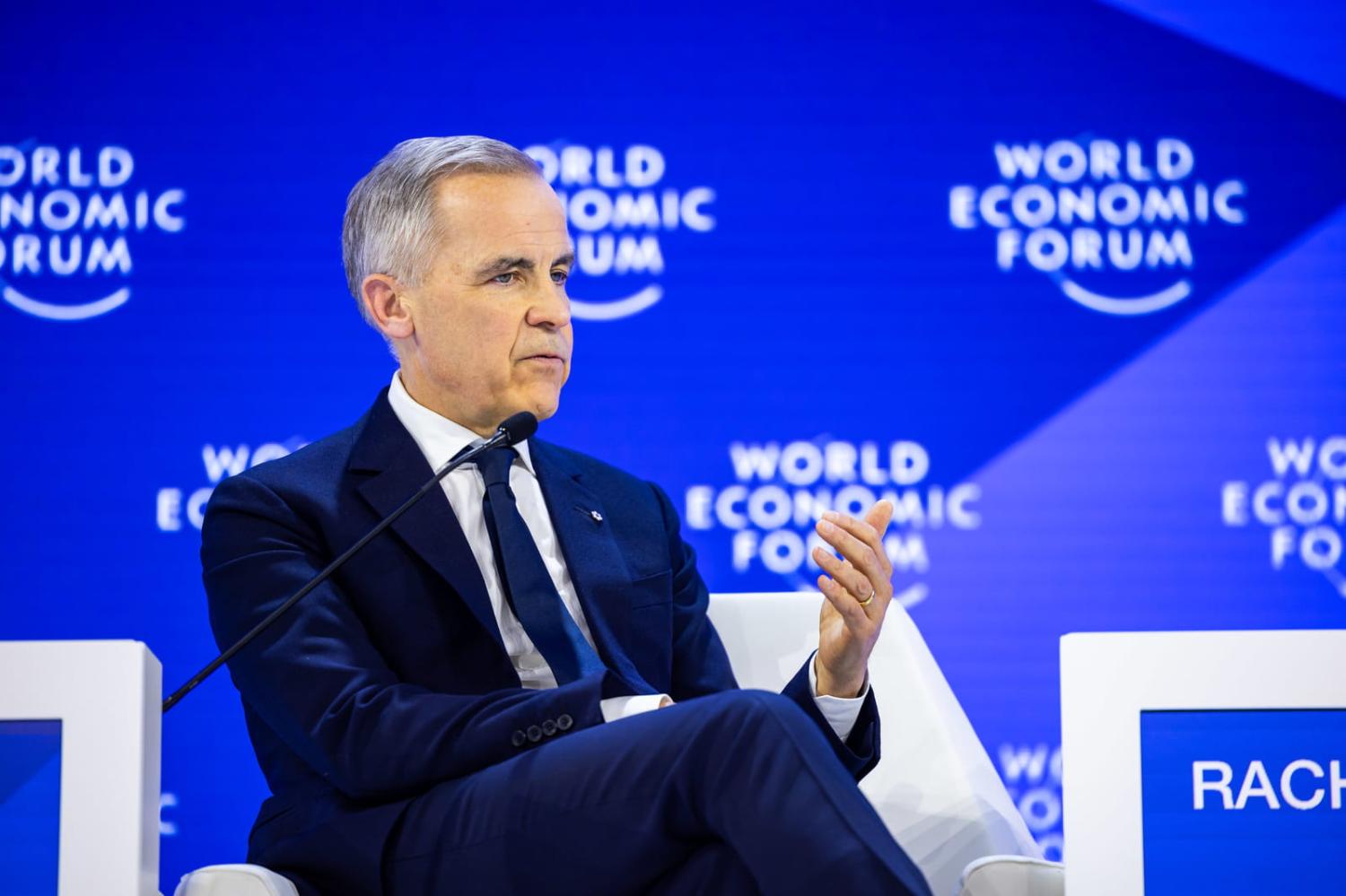
Canadian Prime Minister Mark Carney’s recent address at the World Economic Forum offered a clear warning to middle powers navigating a shifting global order. His message did not reject multilateralism or the rules based system. Instead, it urged countries to confront a moment of rupture where long standing institutions no longer function as expected.
Carney argued that the liberal international order now faces serious strain. Major powers have allowed institutions such as the World Trade Organisation and the United Nations Security Council to weaken. Trade rules face erosion while veto politics have stalled collective security decisions. These failures have reduced predictability and trust in global governance.
In response, Carney proposed a more flexible form of cooperation built on what he described as variable geometry. Under this approach, countries work within existing institutions but accept that not all states will move at the same pace on every issue. Cooperation becomes selective, negotiated, and driven by shared interests rather than universal enforcement of values.
This shift carries serious implications for middle powers that previously benefited from consistent global rules. Values risk becoming symbolic signals of alignment rather than binding commitments. Issues such as climate change or human rights may be treated as strategic considerations instead of non negotiable norms when enforcement depends on coalition politics.
For countries like Australia, Carney’s vision presents both relevance and risk.
Australia’s Middle Power Constraints in the Pacific
Australia occupies a central position in the Pacific. It plays a critical role in regional stability and is the largest development partner for many Pacific Island nations. In recent years, Canberra has committed more than four billion dollars to Pacific development assistance, reinforcing its structural importance in the region.
Yet Australia faces a persistent contradiction. While Pacific Island states view climate change as an existential threat, Australia has struggled to maintain a consistent and credible climate policy at home. Domestic political divisions and close alliance ties, particularly with the United States, have weakened Australia’s climate leadership in the eyes of its neighbours.
This creates a diplomatic imbalance. Australia seeks regional influence while appearing misaligned with Pacific priorities on climate action. The result is an awkward middle power posture that complicates Canberra’s ability to lead through consensus.

Alliance Loyalty Versus Regional Expectations
Australia’s strategic outlook remains anchored in alliance commitments supported by United States power. However, growing unpredictability in US policy has tightened alliance expectations while economic interdependence with China continues to shape regional realities.
For decades, Canberra balanced alliance loyalty with regional pragmatism. That space is now narrowing. Middle power diplomacy demands flexibility, yet Australia’s narratives of national interest remain closely tied to security alliances that limit its room for manoeuvre.
Foreign policy leaders describe Australia’s approach as adaptive middle power diplomacy. The aim is adjustment rather than withdrawal from existing systems. Still, extending influence in a more pluralistic global order requires reconciling domestic politics with regional responsibilities.
What Carney’s Vision Means for the Pacific
Carney’s message suggests that middle powers cannot rely solely on participation in global forums to shape outcomes. Influence increasingly depends on the ability to carry regional partners along.
In the Pacific, this means recognising that leadership has real costs. Economic investment, political compromise, and credible climate action are essential. Australia must confront whether its stated national interests genuinely align with those of Pacific Island countries, particularly on climate change.
Without that alignment, Australia risks the limits of its middle power status becoming more visible. Carney’s vision challenges Canberra to decide whether it can adapt its policies to meet regional expectations in a world where global rules no longer guarantee authority.