 0
0
 0
0
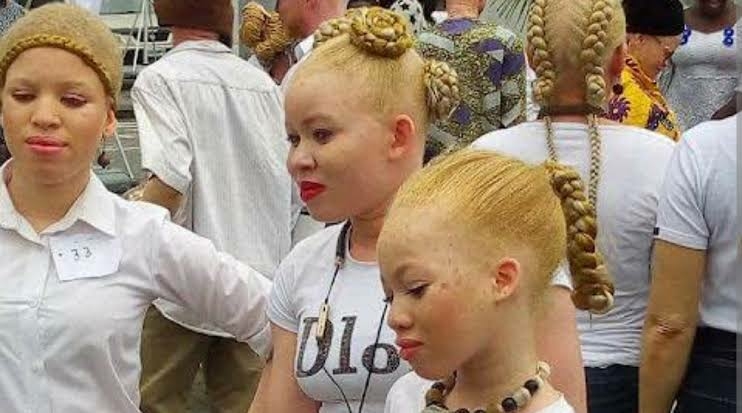
Nigeria albinism awareness challenges remain a significant topic as the country joins the rest of the world in marking International Albinism Awareness Day, observed annually on June 13. The day serves as a reminder of the rights, dignity, health needs, and social realities faced by persons living with albinism.
This year’s observance, themed “Proudly in My Skin: Celebrating All Skin Tones,” highlights the importance of embracing diversity while confronting discrimination and misconceptions that continue to affect people with albinism across many societies.
For Nigeria, where millions are estimated to live with the genetic condition, the occasion offers an opportunity to examine both the progress made and the challenges that remain.
Understanding Albinism in Nigeria
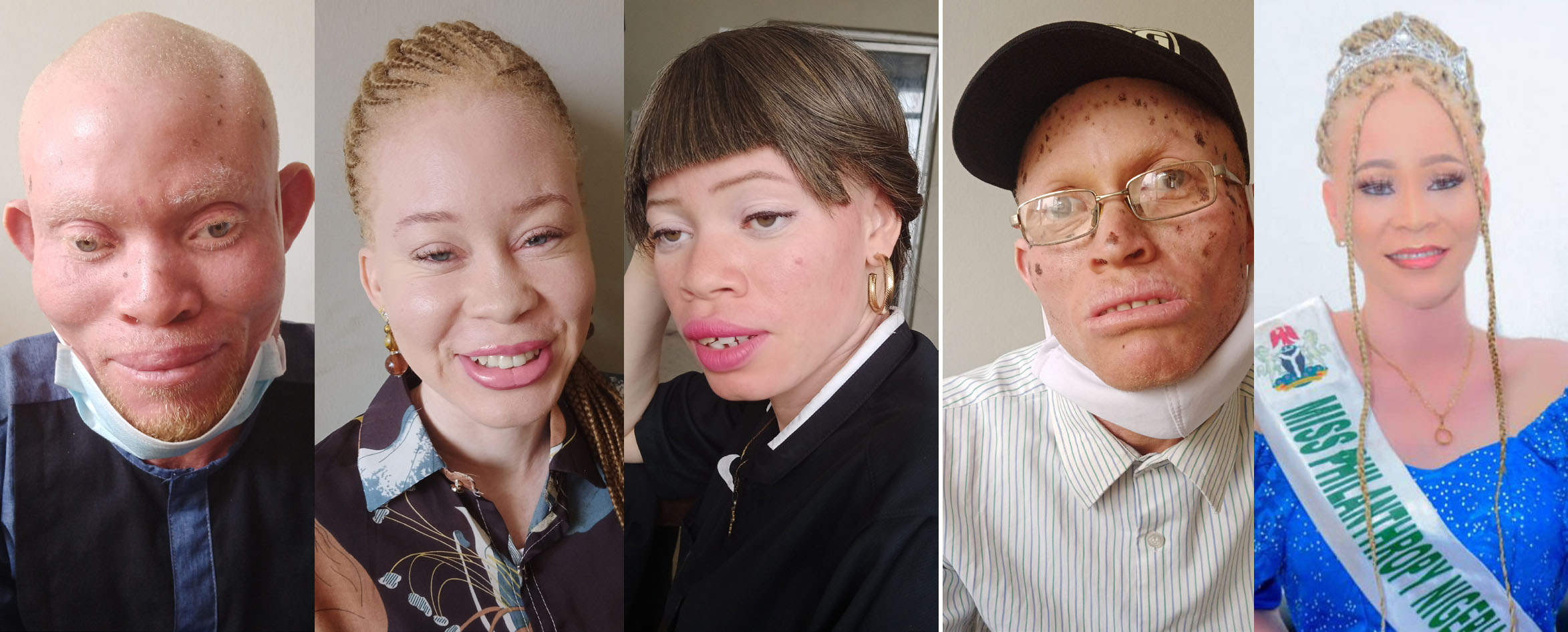
Albinism is a rare inherited genetic condition characterized by reduced or absent production of melanin, the pigment responsible for the color of the skin, hair, and eyes.
People living with albinism often experience a range of health concerns, including visual impairments and increased vulnerability to sun-related skin damage.
What Causes Albinism?
Albinism occurs when genetic mutations affect the body’s ability to produce melanin. The condition is inherited and is present from birth.
While the physical characteristics of albinism are visible, the condition does not affect intelligence, personality, or an individual’s ability to contribute meaningfully to society.
Nigeria’s Large Albinism Population
Nigeria is believed to have one of the largest populations of persons with albinism in the world. Estimates vary, with some studies suggesting that between two million and six million Nigerians may be living with the condition.
Research conducted in different regions has found that albinism exists across various ethnic groups and geographical areas, including southern states, the Middle Belt, and the Federal Capital Territory.
Why the Numbers Matter
The size of the population affected means that albinism is not a marginal issue. It is a public health, education, and human rights concern that affects millions of citizens and their families.
The scale of the challenge underscores the need for policies designed to address healthcare access, social inclusion, and public awareness.
Health Challenges Faced by Persons With Albinism
One of the most pressing aspects of Nigeria albinism awareness challenges is the healthcare burden associated with the condition.
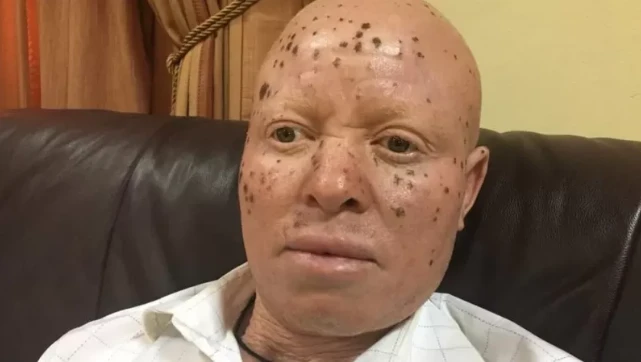
Because melanin provides natural protection against ultraviolet radiation, individuals with albinism face a significantly higher risk of skin damage and skin cancer.
Increased Risk of Skin Cancer
Without adequate protection from the sun, prolonged exposure can lead to serious skin conditions.
Medical experts recommend:
- Regular use of sunscreen
- Protective clothing
- Wide-brimmed hats
- Routine skin examinations
- Early detection and treatment programs
Unfortunately, many Nigerians living with albinism struggle to access these essential protective measures due to financial constraints.
Limited Access to Dermatological Care
Access to specialized skin care services remains limited in many communities.
In rural areas especially, dermatology clinics and preventive screening programs are often unavailable or difficult to access. As a result, preventable health complications may go undetected until they become severe.
Visual Impairment and Eye Care Needs
Visual impairment affects a large percentage of people living with albinism.
Common eye-related challenges include:
- Reduced visual acuity
- Sensitivity to light
- Involuntary eye movements
- Difficulty reading distant objects
Corrective lenses and specialized ophthalmological care can improve quality of life, but access remains uneven, particularly outside major urban centers.
Social Discrimination and Persistent Myths
Beyond healthcare concerns, Nigeria albinism awareness challenges also involve deep-rooted social attitudes.
Many persons with albinism continue to face discrimination fueled by myths, stereotypes, and misinformation.
Childhood Exclusion and Educational Barriers
Children with albinism often encounter difficulties within educational settings.
Some challenges include:
- Bullying from peers
- Social isolation
- Lack of visual learning support
- Limited understanding from educators
In some cases, family members may withdraw children from school because of fear, stigma, or concerns about discrimination.
These barriers can have lasting effects on educational achievement and future opportunities.
Employment and Economic Challenges
Discrimination frequently extends into adulthood.
Some individuals report difficulties obtaining employment due to misconceptions about their abilities or appearance. Others face workplace exclusion or limited career advancement opportunities.
Promoting equal employment opportunities remains an important part of broader inclusion efforts.
Harmful Superstitions and Security Concerns
Although awareness has improved in recent years, harmful myths surrounding albinism continue to exist in some communities.
Certain false beliefs associate body parts of persons with albinism with supernatural powers or rituals. Human rights advocates have consistently emphasized the importance of combating such misconceptions through education, law enforcement, and community engagement.
While Nigeria has not experienced the same scale of attacks reported in some parts of East and Southern Africa, advocacy groups continue to stress the need for vigilance and protection.

Advocacy Groups Continue to Push for Change
Several organizations have worked for years to improve awareness and support for people living with albinism.
These groups have highlighted issues including:
- Healthcare access
- Human rights protection
- Educational inclusion
- Economic empowerment
- Mental health support
Their efforts have contributed to increased public discussion about the realities faced by persons with albinism in Nigeria.
The Importance of Public Awareness Campaigns
Awareness campaigns play a critical role in reducing stigma.
Educational initiatives help communities understand that albinism is a genetic condition rather than a result of myths or supernatural beliefs.
Greater awareness can contribute to more inclusive schools, workplaces, and public institutions.
Psychological Impact of Social Exclusion
The emotional effects of discrimination can be significant.
Repeated experiences of exclusion, ridicule, or misunderstanding may affect self-confidence, mental well-being, and social participation.
Support networks, advocacy groups, and inclusive community programs can help address these challenges.
Calls for Greater Inclusion and Government Action
Recent calls from national leaders and stakeholders have emphasized the need for stronger support systems for persons living with albinism.
Key priorities often identified include:
- Improved healthcare access
- Subsidized sunscreen and protective supplies
- Expanded eye care services
- Public education campaigns
- Stronger anti-discrimination measures
- Greater inclusion in schools and workplaces
Supporters argue that meaningful change requires more than public statements. Sustainable progress depends on policies, funding, and institutional commitment.
Bridging the Gap Between Policy and Practice
One of the recurring concerns in discussions about Nigeria albinism awareness challenges is the gap between commitments and implementation.
While awareness has increased over time, many individuals still face practical obstacles in accessing healthcare, education, and employment opportunities.
Closing this gap will require coordinated action from government agencies, healthcare providers, educational institutions, civil society organizations, and local communities.
Why International Albinism Awareness Day Matters
International Albinism Awareness Day serves as both a celebration and a reminder.
It celebrates diversity, resilience, and the contributions of persons with albinism to society.
At the same time, it highlights ongoing issues that require attention, including healthcare inequalities, social stigma, and barriers to inclusion.
For Nigeria, the observance reinforces the importance of ensuring that millions of citizens living with albinism are recognized, supported, and treated with equal dignity.
FAQ
What are the biggest healthcare challenges for persons with albinism in Nigeria?
The most significant healthcare challenges include skin cancer risks, limited access to sunscreen, inadequate dermatological services, visual impairment, and restricted access to specialized eye care, especially in rural areas.
Why is albinism awareness important in Nigeria?
Albinism awareness helps combat myths, reduce discrimination, improve healthcare access, and promote equal opportunities in education, employment, and community life.
How many people are estimated to live with albinism in Nigeria?
Estimates vary, but studies suggest that between two million and six million Nigerians may be living with albinism, making it one of the largest affected populations globally.
What can be done to improve the lives of persons with albinism in Nigeria?
Improving access to healthcare services, subsidizing protective products, expanding educational support, strengthening anti-discrimination measures, and increasing public awareness can significantly improve quality of life.
Nigeria albinism awareness challenges continue to highlight important issues affecting millions of citizens. While awareness efforts have increased and advocacy organizations have pushed for greater recognition, significant work remains in healthcare access, social inclusion, education, and employment. Continued collaboration among government institutions, civil society groups, healthcare providers, and communities will be essential to ensuring equal opportunities and improved quality of life for persons living with albinism.
Click here for more news