 0
0
 0
0
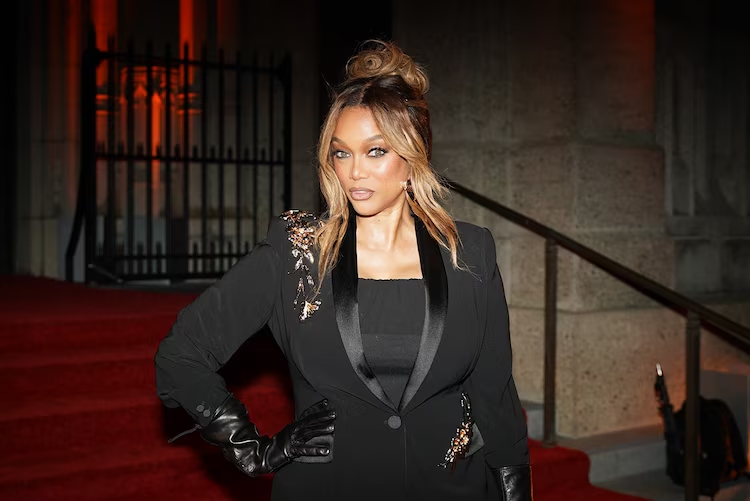
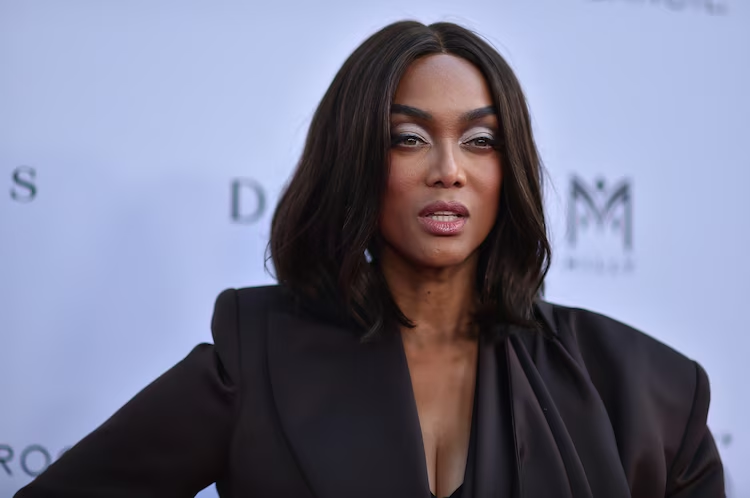
The Tyra Banks Netflix lawsuit documentary has sparked widespread attention after the former America’s Next Top Model host filed legal action against Netflix, alleging that her interview was edited in a misleading way for a documentary examining controversies surrounding the long-running reality series.
According to multiple reports, Banks claims the streaming platform manipulated her interview footage in a way that created a false narrative about her involvement in certain controversies linked to the show. The lawsuit centers on the documentary Reality Check: Inside America’s Next Top Model, which revisits past allegations tied to the production.
Banks argues that only a small portion of her lengthy interview was used and that her statements were taken out of context to support claims she strongly disputes.
Lawsuit Filed Over Alleged Misleading Editing
The Tyra Banks Netflix lawsuit documentary focuses heavily on claims that Netflix allegedly altered interview content to change its meaning.
Banks has accused the platform of using selective editing techniques that she says distorted her actual responses.
Claims of “Selective Editing” and “False Narrative”
According to the lawsuit, Banks alleges that Netflix:
- Removed key context from her interview responses
- Reordered statements to change meaning
- Used selective clips to support a pre-determined narrative
- Omitted parts of her interview that provided clarity
The lawsuit states that her comments were “stripped of context and reassembled” in a way that allegedly created a misleading impression.
Disputed Interpretation of Interview Footage
Banks maintains that her participation was intended to provide an honest reflection on the legacy of America’s Next Top Model, including both its successes and controversies.
However, she argues that the final documentary presentation did not reflect the full scope of her interview or intent.
Allegations Related to Contestant Claims
A major part of the Tyra Banks Netflix lawsuit documentary involves how the documentary presented allegations made by former contestant Shandi Sullivan.
The lawsuit claims that editing choices made it appear as though Banks was directly responding to specific accusations in a way that misrepresented her position.
Contestant Allegations in the Documentary
Shandi Sullivan, a former contestant on the show’s second season, reportedly discussed claims of sexual assault during production in the documentary.
Banks’ legal filing argues that the documentary’s editing implied a direct connection between her and those allegations in a way she disputes.
Banks’ Response to the Allegations
According to the lawsuit:
- Banks acknowledges the importance of survivor testimony
- She expresses respect for individuals sharing their experiences
- She denies the narrative suggesting she knowingly ignored or misrepresented incidents
The filing emphasizes that Banks disputes any portrayal suggesting she had awareness of misconduct and failed to act appropriately.
Interview Length and Editing Dispute
One of the central issues in the Tyra Banks Netflix lawsuit documentary is the amount of interview footage used in the final production.
Banks claims that a significantly large portion of her interview was excluded from the documentary.
Interview Duration vs Final Cut
According to court filings:
- Total recorded interview: approximately 3.5 hours
- Used in documentary: about 16 minutes
This discrepancy is a key part of her argument that the final presentation did not accurately represent her statements.
How Editing Choices Became Controversial
The lawsuit argues that:
- Selective editing changed the tone of her responses
- Important clarifications were left out
- The final narrative did not reflect the full conversation
These claims form the basis of her defamation allegations against the streaming platform.
Legal Claims and Damages Sought
The Tyra Banks Netflix lawsuit documentary also includes claims related to reputational harm and financial impact.
Banks is seeking damages for alleged losses linked to the documentary’s release.
Types of Damages Cited
Her lawsuit includes claims of:
- Harm to personal reputation
- Loss of future business opportunities
- Damage to professional brand value
- Impact on entrepreneurial ventures
Although no specific monetary figure was disclosed, the filing highlights broad financial and reputational concerns.
Impact on Business Interests
Banks also claims that her Sydney-based ice cream brand, SMiZE & DREAM, experienced negative effects following the documentary’s release.
Reported impacts include:
- Decline in online ratings
- Potential reputational spillover
- Reduced consumer perception of the brand
These claims are part of her argument that the documentary had broader consequences beyond entertainment media.
Netflix Response and Industry Context
As of the time of reporting, Netflix has declined to comment on the allegations, according to media sources.
The Tyra Banks Netflix lawsuit documentary comes amid ongoing debates about documentary editing ethics and the responsibilities of streaming platforms when handling real-life subjects.
Documentary Editing and Ethical Standards
Industry experts often highlight key principles in documentary production:
- Accuracy in representation
- Context preservation
- Fair editing practices
- Transparent storytelling methods
Disputes over editing practices are not uncommon in high-profile documentaries, especially those involving public figures.
Public Interest in Reality TV Legacy
America’s Next Top Model remains one of the most influential reality shows in television history, but it has also faced long-standing criticism over its production practices.
The documentary revisiting its legacy has reignited discussions about:
- Reality TV ethics
- Contestant treatment
- Media responsibility
- Long-term cultural impact
Broader Implications of the Case
The Tyra Banks Netflix lawsuit documentary may contribute to wider conversations about how streaming platforms handle real-life narratives.
Potential Industry Impact
If the case progresses significantly, it could influence:
- Documentary editing standards
- Consent agreements for interviews
- Legal scrutiny of factual representation
- Platform accountability in nonfiction content
Media and Reputation Management
The case also highlights how media portrayals can affect public perception of celebrities and business ventures.
Reputation management has become increasingly important in the digital age, where documentaries and streaming content reach global audiences instantly.
FAQ
Why is Tyra Banks suing Netflix?
Tyra Banks is suing Netflix over claims that her interview was edited in a misleading way in a documentary about America’s Next Top Model.
What documentary is involved in the lawsuit?
The lawsuit concerns Reality Check: Inside America’s Next Top Model, a Netflix documentary exploring controversies around the show.
What does Tyra Banks say about the editing?
She alleges that her interview was selectively edited, removing context and creating a false narrative about her involvement in certain controversies.
How much of Tyra Banks’ interview was used?
According to the lawsuit, only about 16 minutes of a 3.5-hour interview were included in the documentary.
The Tyra Banks Netflix lawsuit documentary highlights ongoing tensions between media storytelling and factual representation in modern streaming content. As the case develops, it is likely to fuel further debate about documentary ethics, editorial responsibility, and the impact of media narratives on public figures and their businesses.
Click here for more news