 0
0
 0
0
The China Spy Turtles Coastal Data claim has drawn international attention after Chinese authorities alleged that foreign intelligence agencies may be using marine animals equipped with sensors to collect sensitive information along the country’s coastline.
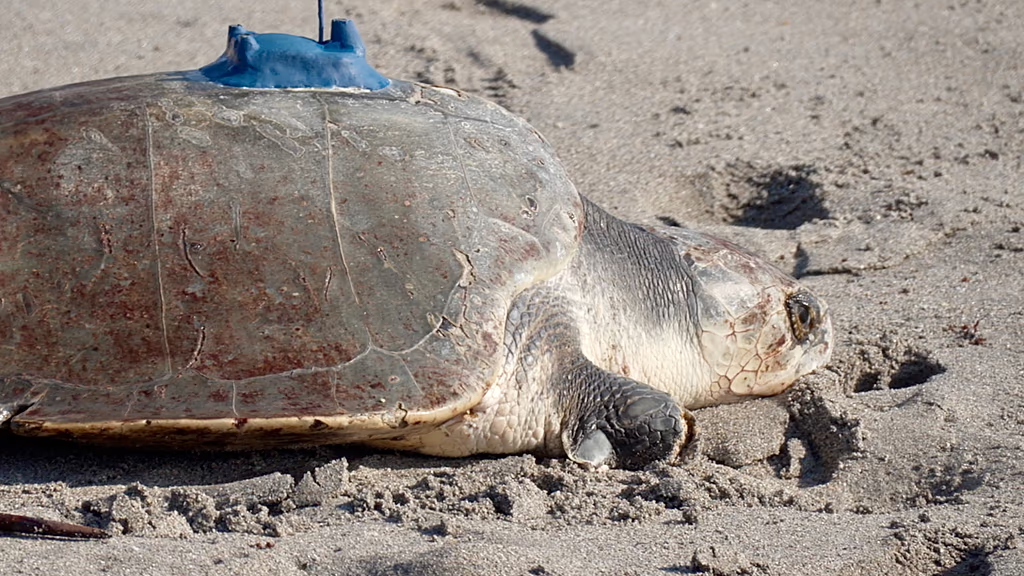
According to statements released by China‘s Ministry of State Security, certain large marine creatures, including turtles and fish, were reportedly discovered carrying monitoring devices in Chinese waters. Authorities claim these devices were capable of gathering oceanographic information such as water temperature, salinity levels, and ocean current patterns before transmitting the data via satellite.
The unusual allegations have sparked discussion about maritime security, underwater surveillance technologies, and the growing importance of coastal intelligence gathering in modern geopolitics.
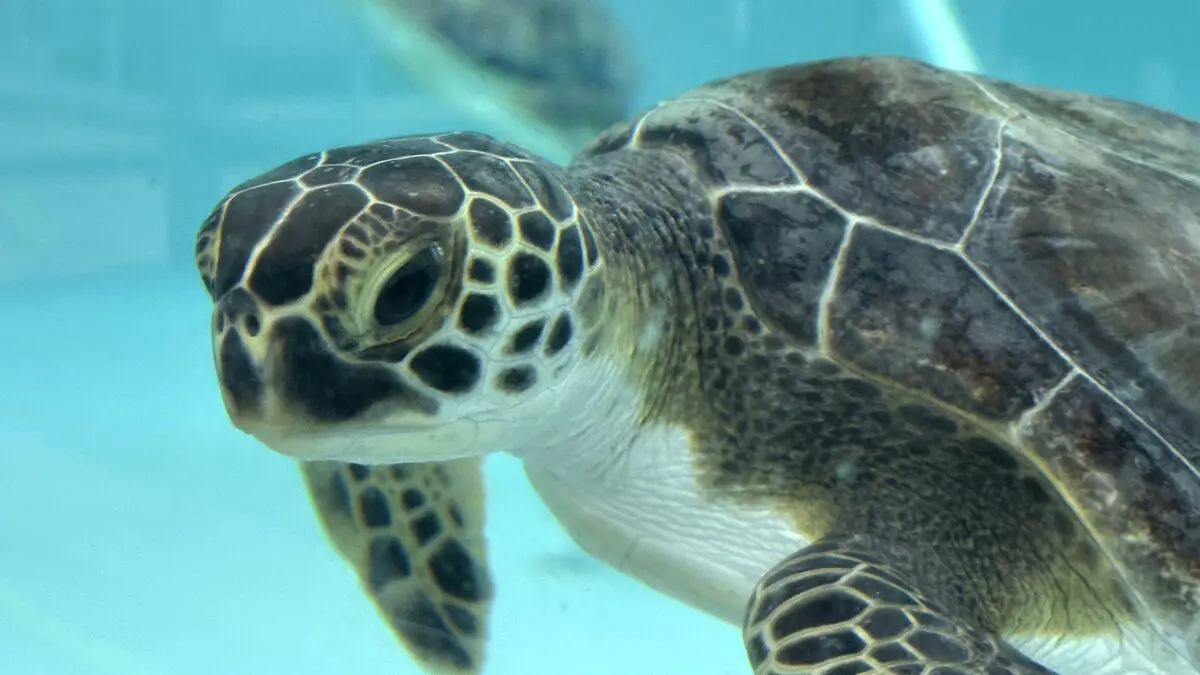
China Claims Marine Animals Were Used for Data Collection
Chinese authorities recently published a social media post warning about what they described as emerging methods of underwater intelligence operations.
The ministry stated that some marine animals had been found carrying attached sensors capable of recording environmental information in specific coastal regions.
Officials characterized the situation as a potential national security concern and suggested that the collected information could be useful for foreign intelligence agencies seeking to understand China’s maritime environment.
What China Reportedly Discovered
According to the official statement, authorities identified:
- Large marine animals carrying electronic sensors
- Equipment capable of collecting oceanographic data
- Devices allegedly transmitting information through satellites
- Activity concentrated within specific maritime zones
While detailed technical information about the sensors was not released, officials emphasized the strategic significance of the data allegedly being collected.
Why Ocean Data Matters
Oceanographic information may appear harmless on the surface, but experts have long recognized its value for military and scientific purposes.
Data concerning:
- Water temperature
- Ocean currents
- Salinity levels
- Underwater geography
can assist in navigation, submarine operations, environmental monitoring, and maritime planning.
National Security Concerns
Chinese authorities described the alleged activity as a threat because detailed coastal data may reveal important characteristics of maritime regions, including areas near ports, naval facilities, and shipping routes.
Such information can play a role in strategic planning and maritime surveillance activities.
Understanding the “Spy Turtles” Allegations
The term China Spy Turtles Coastal Data has quickly gained attention because of its unusual nature.
However, the concept of using animals for scientific monitoring is not entirely new.
Animals and Tracking Technology
Researchers around the world have attached sensors to marine animals for decades.
These devices are commonly used to study:
- Migration patterns
- Ocean temperatures
- Climate change impacts
- Marine ecosystems
- Animal behavior
Sea turtles, sharks, whales, and fish are frequently fitted with non-invasive tracking devices for scientific research purposes.
Difference Between Research and Surveillance
The distinction raised by Chinese authorities concerns the intended use of the collected information.
Scientific projects generally focus on environmental research and conservation efforts.
Intelligence gathering operations, on the other hand, would involve collecting information for strategic or security-related objectives.
At present, no publicly available evidence has been released to independently verify claims that the discovered devices were part of foreign intelligence operations.
Why Turtles Are Effective Data Collectors
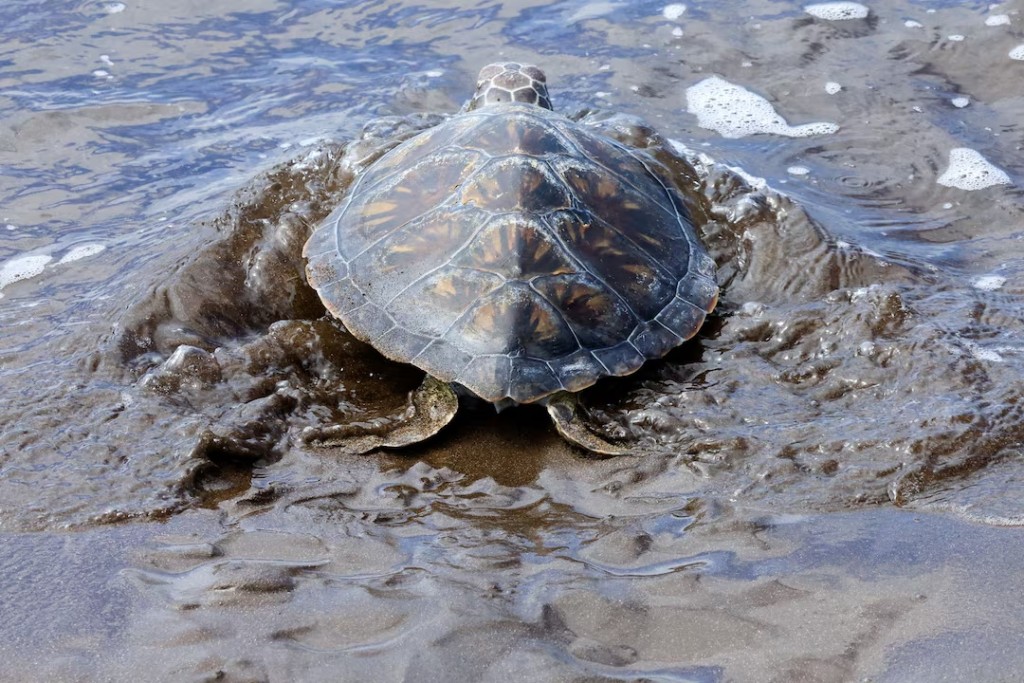
Sea turtles travel across vast ocean regions and can remain underwater for extended periods.
Because of their movement patterns, they are often considered useful carriers for environmental sensors.
Researchers worldwide frequently rely on turtles to gather information from areas that may be difficult for ships or monitoring equipment to access regularly.
Growing Importance of Underwater Intelligence
The China Spy Turtles Coastal Data story highlights a broader trend involving underwater monitoring and maritime security.
Oceans Are Becoming Strategic Assets
As global competition increasingly extends beyond land and air, oceans have become critical areas for:
- Trade routes
- Energy infrastructure
- Telecommunications cables
- Naval operations
- Scientific research
Countries are investing heavily in technologies that help monitor underwater environments.
Advances in Sensor Technology
Modern sensors have become:
- Smaller
- More efficient
- More durable
- Capable of transmitting data remotely
These advancements make it easier to collect information from remote maritime environments without requiring constant human involvement.
Underwater Surveillance Trends
Many countries already operate networks of underwater monitoring systems.
These may include:
- Ocean buoys
- Autonomous underwater vehicles
- Research platforms
- Environmental monitoring stations
The possibility of using animals as data carriers introduces another dimension to underwater information gathering.
China’s Expanding Focus on Maritime Security
The latest warning aligns with China’s broader emphasis on protecting its coastal and maritime interests.
Strategic Coastal Regions
China possesses one of the world’s longest coastlines and operates numerous major ports.
Its coastal waters support:
- International trade
- Commercial fishing
- Naval operations
- Energy transportation
Protecting these areas has become a central element of China’s national security strategy.
Increased Security Monitoring
In recent years, Chinese authorities have increased efforts to identify potential threats in maritime zones.
This includes monitoring:
- Foreign vessels
- Underwater drones
- Unidentified tracking equipment
- Suspicious maritime activity
The latest allegations suggest that authorities are also paying attention to unconventional surveillance methods.
Public Awareness Campaigns
China’s Ministry of State Security frequently publishes educational content encouraging citizens to remain alert to potential security risks.
The “spy turtles” warning forms part of a broader effort to raise awareness about emerging technologies and intelligence activities.
International Reactions and Expert Perspectives
The China Spy Turtles Coastal Data allegations have generated curiosity among observers and security analysts.
Requests for Evidence
Some experts note that publicly available information remains limited.
Without access to the devices or supporting technical evidence, independent verification of the claims remains difficult.
As a result, analysts continue to approach the allegations cautiously.
Scientific Community Response
Marine scientists point out that attaching sensors to sea animals is a common practice within environmental research programs.
Many institutions use tracking devices to better understand ocean ecosystems and climate patterns.
Researchers stress that the purpose of such equipment can vary significantly depending on the organization deploying it.
Technology and Security Debate
The incident highlights ongoing debates about the intersection of science, technology, and national security.
As monitoring equipment becomes more sophisticated and accessible, governments around the world may face increasing challenges in distinguishing between research activities and intelligence gathering operations.
How Marine Data Collection Works
Understanding how marine monitoring systems operate provides useful context for the claims.
Types of Data Commonly Collected
Ocean sensors can record:
- Water temperature
- Salinity levels
- Current speeds
- Ocean depth
- Biological activity
This information helps researchers and organizations better understand marine environments.
Satellite Data Transmission
Modern tracking devices often rely on satellites to transmit collected information.
Once an animal surfaces, data can be sent to research centers or monitoring stations for analysis.
Future Monitoring Technologies
Technological advancements continue to improve marine observation capabilities.
Future systems may include:
- Artificial intelligence integration
- Enhanced underwater communication
- Miniaturized sensors
- Real-time monitoring networks
These developments are expected to play a significant role in both scientific and security applications.
FAQ
What is the China Spy Turtles Coastal Data claim?
China’s Ministry of State Security claims that marine animals carrying sensors were discovered in Chinese waters and may have been collecting sensitive coastal and oceanographic information.
Why would turtles be used to collect ocean data?
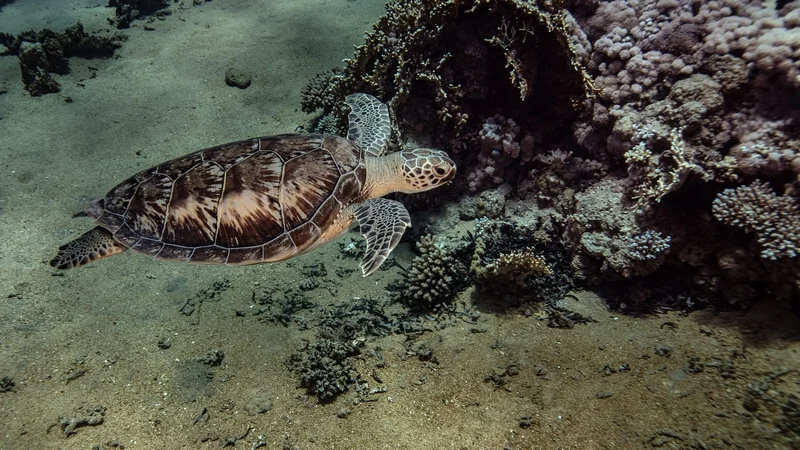
Sea turtles travel long distances and can carry lightweight sensors that record environmental conditions such as water temperature, currents, and salinity levels.
Has China provided evidence for the spy turtle allegations?
Authorities have made public statements about the discoveries, but detailed technical evidence has not been publicly released for independent verification.
Why is coastal data considered strategically important?
Coastal and oceanographic data can support navigation, environmental research, maritime planning, and certain military or security-related operations.
Conclusion
The China Spy Turtles Coastal Data allegations have introduced an unusual but thought-provoking discussion about underwater surveillance, maritime security, and emerging technologies. While the claims have attracted significant attention, questions remain regarding the origins of the devices and the intended purpose of the collected information. As nations continue to expand their capabilities in ocean monitoring and maritime intelligence, the role of advanced sensors and unconventional data collection methods is likely to remain a topic of global interest.
Click here for more news