 0
0
 0
0
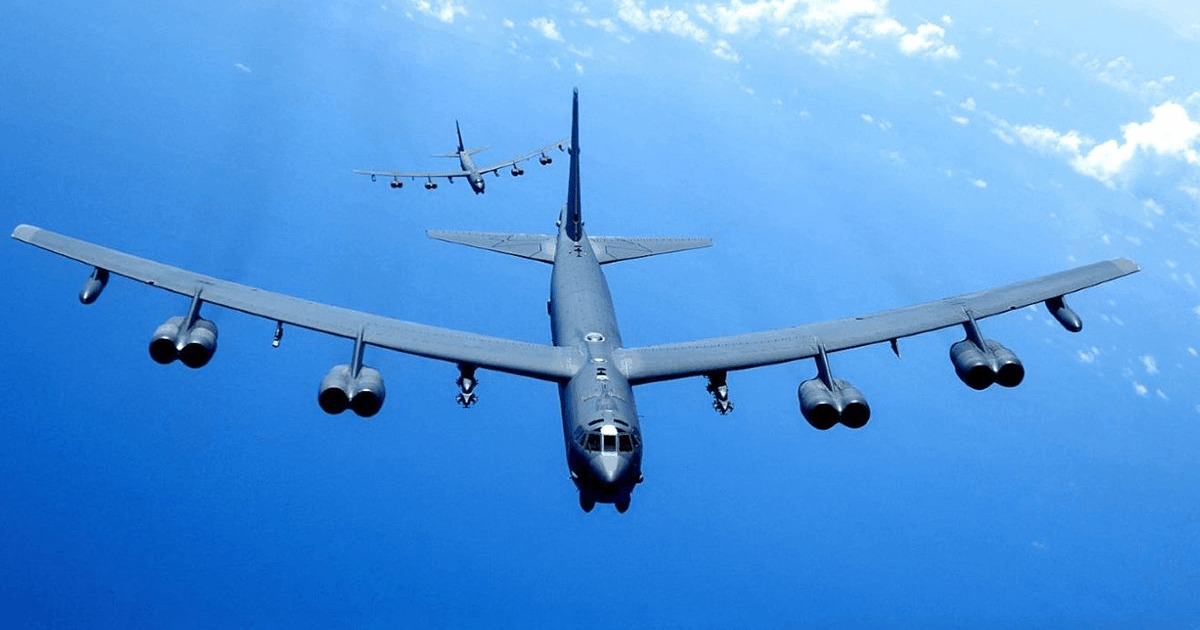
The B-52 successor bomber program is entering an early planning phase as the United States Air Force prepares to define requirements for a potential next-generation heavy bomber. According to budget documents for fiscal year 2027, the Air Force will begin a formal study in 2027 to assess long-term options for replacing or complementing the aging B-52 Stratofortress fleet.
The move signals the start of a strategic process that could shape the future of America’s long-range strike capabilities over the next several decades.
US Air Force Begins Early Planning for B-52 Successor Bomber Program
The B-52 successor bomber program study is part of an “analysis of alternatives” process, which is typically used to evaluate future military capabilities before committing to full procurement.
What the study will focus on
The Air Force study will examine several key areas, including:
- Operational requirements for a future heavy bomber
- Performance benchmarks for next-generation aircraft
- Integration of advanced weapons systems
- Long-term strategic role of bomber fleets
Timeline of development planning
The typical development cycle for military aircraft includes:
- Initial requirements definition phase (starting 2027)
- Analysis of alternatives and system evaluation
- Design and competition phase
- Development and production decisions
This process can take 10 to 15 years before a new aircraft becomes operational.
B-52 Successor Bomber Program Within US Air Force Strategy
The B-52 successor bomber program is not being developed in isolation. It is part of a broader modernization strategy that includes multiple aircraft platforms and long-range strike systems.
Current bomber modernization efforts
The US Air Force is already investing heavily in:
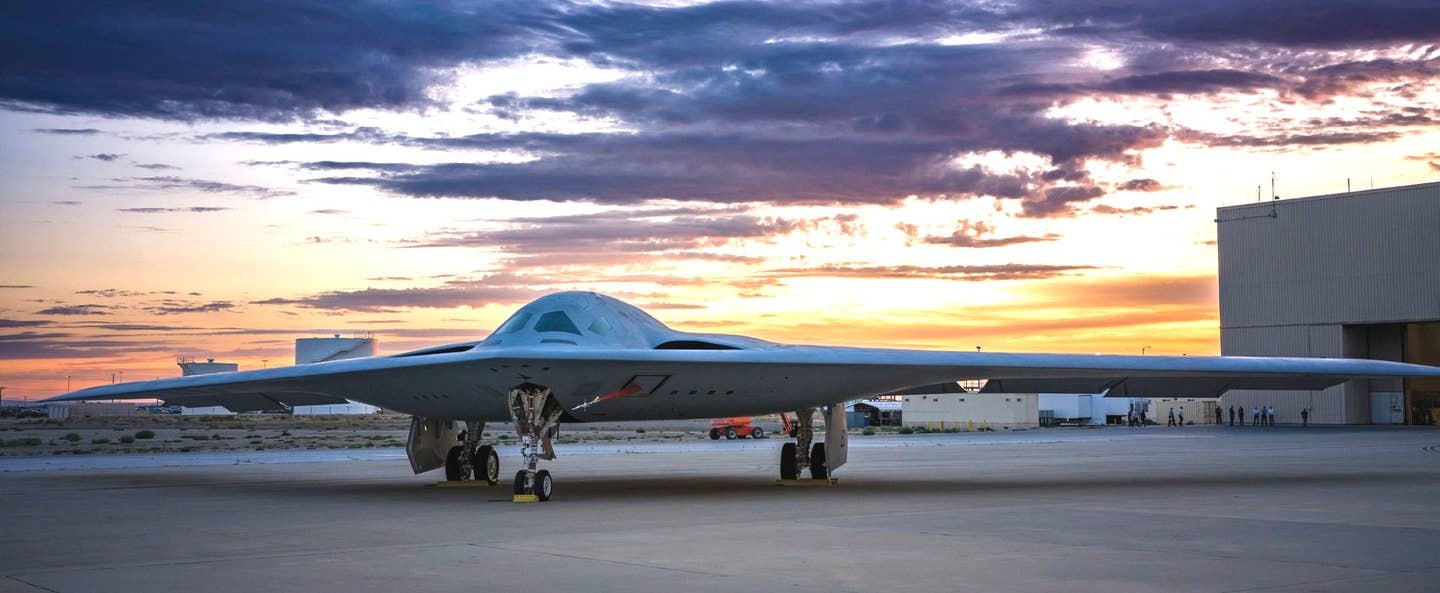
- Northrop Grumman B-21 Raider stealth bomber
- Upgraded Boeing B-52J Stratofortress program
- Advanced long-range missile systems
- Enhanced electronic warfare capabilities
Role of the B-21 Raider
The B-21 Raider is expected to:
- Replace the B-2 Spirit bomber
- Supplement the B-1B Lancer fleet
- Serve as the backbone of stealth bombing operations
The B-52 successor bomber program would therefore complement, rather than immediately replace, existing strategic assets.
Future Heavy Bomber Analysis and Development Plans
The B-52 successor bomber program includes a detailed “Heavy Bomber Analysis of Alternatives,” which will help determine what capabilities are needed for future missions.
Key performance areas under review
Planned analysis includes:
- Payload capacity and range requirements
- Stealth and survivability features
- Advanced weapons integration systems
- Electronic warfare and defense capabilities
Weapons integration studies
The program will also assess integration of modern weapon systems such as:
- Long-range cruise missiles
- Anti-ship missiles
- Advanced precision strike weapons
Budget Allocation and Research Funding
The early phase of the B-52 successor bomber program is being supported by modest initial funding in the US Air Force budget request.
Funding details for the program
According to available budget information:
- $1 million allocated for requirement development in fiscal year 2027
- $3.872 million previously allocated for related advanced concept studies
- No funding requested for fiscal year 2026
Purpose of early funding
This initial investment is intended to:
- Support feasibility studies
- Define technical requirements
- Guide future procurement decisions
- Evaluate strategic capability gaps
Modernization of the Existing B-52 Fleet
While planning for a potential successor continues, the US Air Force is also extending the operational life of the existing B-52 fleet.
Transition to B-52J configuration
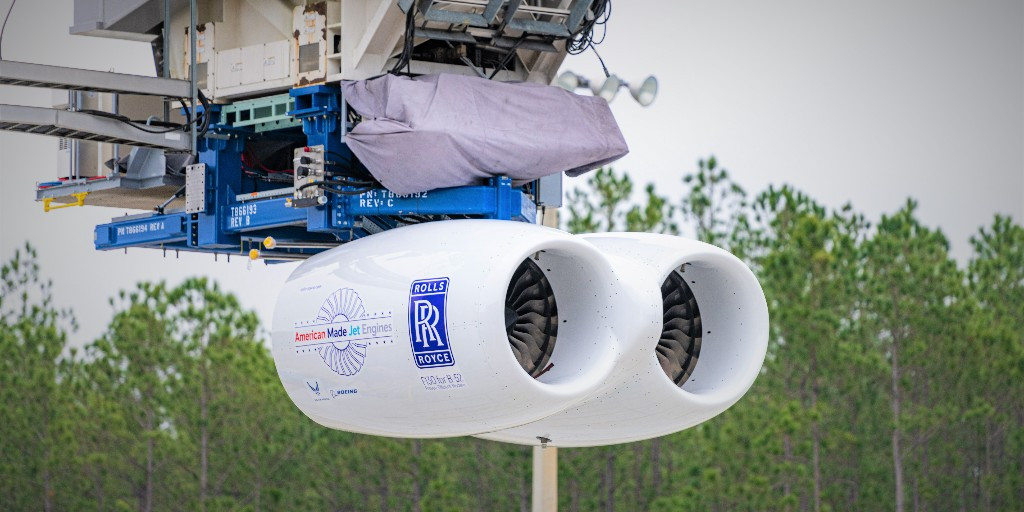
The B-52 aircraft is being upgraded from the B-52H model to the B-52J standard, which includes:
- New engine replacement program
- Updated radar systems
- Enhanced communications and targeting systems
Expected operational timeline
The upgraded B-52J fleet is expected to remain in service:
- Until at least 2050
- Alongside newer stealth bomber platforms
- As part of a mixed strategic bomber fleet
Mixed Fleet Strategy for US Long-Range Bombers
The B-52 successor bomber program is expected to operate within a broader mixed fleet strategy combining legacy and next-generation aircraft.
Planned bomber fleet composition
Future US Air Force structure may include:
- Approximately 76 upgraded B-52J bombers
- At least 100 B-21 Raider stealth bombers
- A future next-generation heavy bomber (under study)
Strategic advantages of mixed fleet
This approach provides:
- Operational flexibility across mission types
- Redundancy in strategic strike capability
- Cost-effective use of upgraded legacy systems
- Advanced stealth capabilities for high-risk missions
Strategic Role of a Future B-52 Successor Bomber Program
The B-52 successor bomber program reflects long-term planning for evolving global defense requirements.
Expected mission roles
A future heavy bomber could be designed for:
- Long-range strike missions
- High-threat environment operations
- Conventional and strategic payload delivery
- Maritime strike capabilities

Importance in global defense strategy
Such aircraft would help ensure:
- Continued long-range deterrence capability
- Ability to operate in contested airspace
- Strategic balance in global military power
FAQ
What is the B-52 successor bomber program?
It is an early-stage US Air Force study to define requirements for a potential next-generation heavy bomber.
When will the B-52 successor program begin?
Initial planning activities are expected to begin in 2027.
Will the B-52 be replaced soon?
No, the B-52 is expected to remain in service until at least 2050 after upgrades.
What aircraft will work alongside a future B-52 successor?
The B-21 Raider and upgraded B-52J fleet will continue operating as part of a mixed bomber strategy.
Conclusion
The B-52 successor bomber program marks the beginning of long-term planning for the future of US strategic aviation. While no final decisions have been made, the Air Force is laying the groundwork for potential next-generation capabilities that will complement existing platforms like the B-21 Raider and upgraded B-52J. The study reflects a broader effort to maintain advanced long-range strike capability well into the mid-21st century.
Click here for more news