 0
0
 0
0
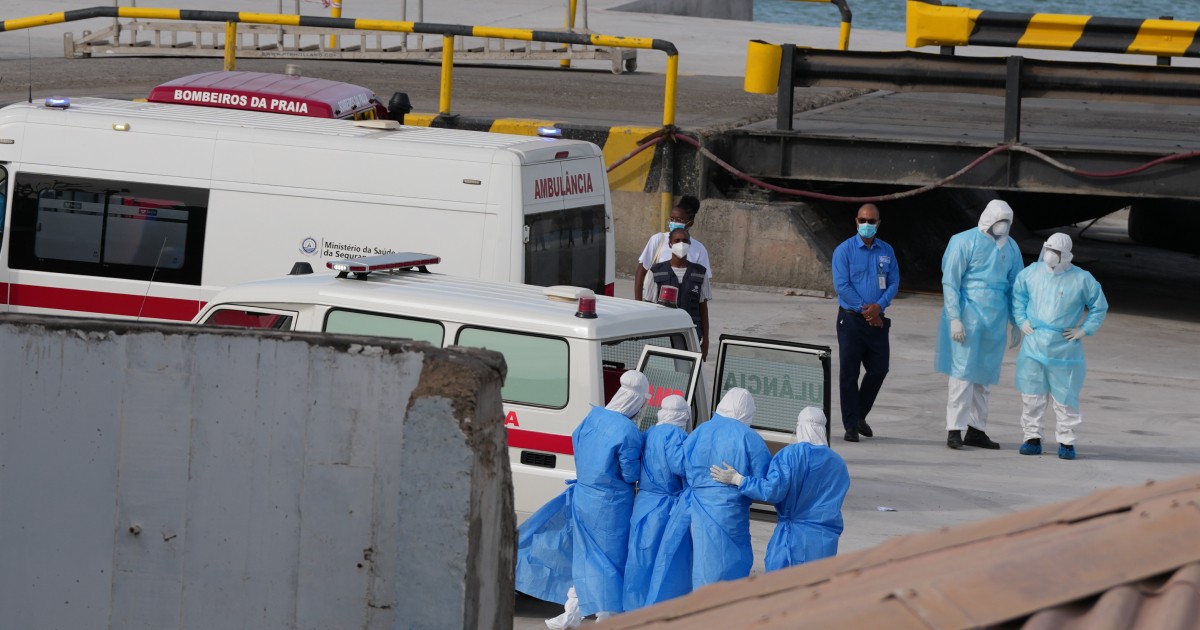
the hantavirus contact tracing cruise ship outbreak has prompted international public health officials to track passengers and possible contacts after a rare outbreak aboard a cruise ship left three people dead and raised concerns about wider exposure.
Health authorities across multiple countries are now working to identify individuals who may have come into contact with infected passengers as part of a coordinated contact tracing effort.
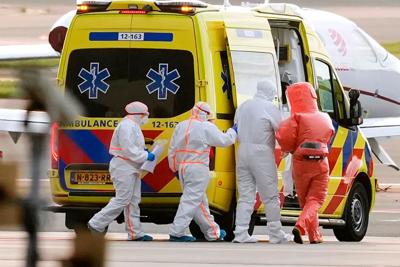
Global Contact Tracing Launched After Cruise Ship Outbreak
Public health agencies have initiated a multi-country contact tracing operation following the outbreak on a cruise ship traveling in the South Atlantic.
Why Contact Tracing Was Activated
Officials say contact tracing was necessary because:
- Several passengers tested positive or showed symptoms
- Three deaths have been linked to the outbreak
- Potential exposure occurred across international travel routes
This response forms the core of the hantavirus contact tracing cruise ship outbreak investigation.
How Many People May Be Exposed
Early reports suggest:
- Fewer than 12 passengers showed symptoms
- Around 5 confirmed infections
- Dozens of additional individuals may have been exposed
Health authorities continue to assess the total number of at-risk passengers.
Understanding Hantavirus and How It Spreads
Hantaviruses are rare but potentially serious viral infections that typically originate from animals.
Primary Transmission Method
Most hantavirus infections occur through:
- Inhalation of airborne particles from rodent droppings
- Contact with contaminated surfaces
- Exposure in poorly sanitized environments
Rare Human-to-Human Transmission
In general, hantaviruses:
- Do not spread easily between humans
- Require close or unusual conditions for transmission
- Are considered low risk for large-scale outbreaks
However, officials are investigating whether the virus involved in this case behaves differently.
Concern Over Andes Virus Strain
The outbreak is believed to involve a strain known as the Andes virus, which has raised additional concern among scientists.
Why This Strain Is Being Studied
Researchers are examining whether this strain:
- Can spread between humans in rare conditions
- Has undergone recent genetic changes
- Differs from typical hantavirus behavior
These concerns have increased urgency in the hantavirus contact tracing cruise ship outbreak investigation.
Scientific Monitoring Efforts
Health experts are currently:
- Collecting patient samples
- Sequencing viral genetics
- Monitoring symptom patterns
Contact Tracing Process Explained
Contact tracing is a key public health tool used to prevent outbreaks from spreading further.
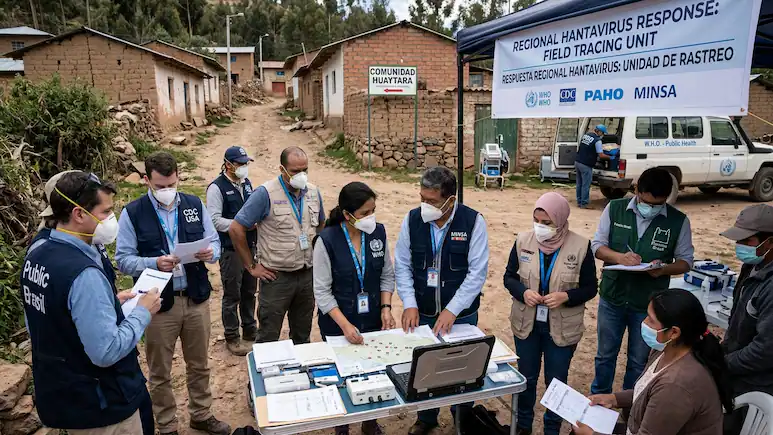
Step-by-Step Process
Authorities typically:
- Identify confirmed infected individuals
- Trace their recent movements and contacts
- Notify exposed individuals
- Monitor for symptoms over time
Challenges in Cruise Ship Cases
Cruise ship outbreaks are particularly complex due to:
- High passenger mobility
- International travel routes
- Large numbers of close interactions
These factors make the hantavirus contact tracing cruise ship outbreak effort more difficult.
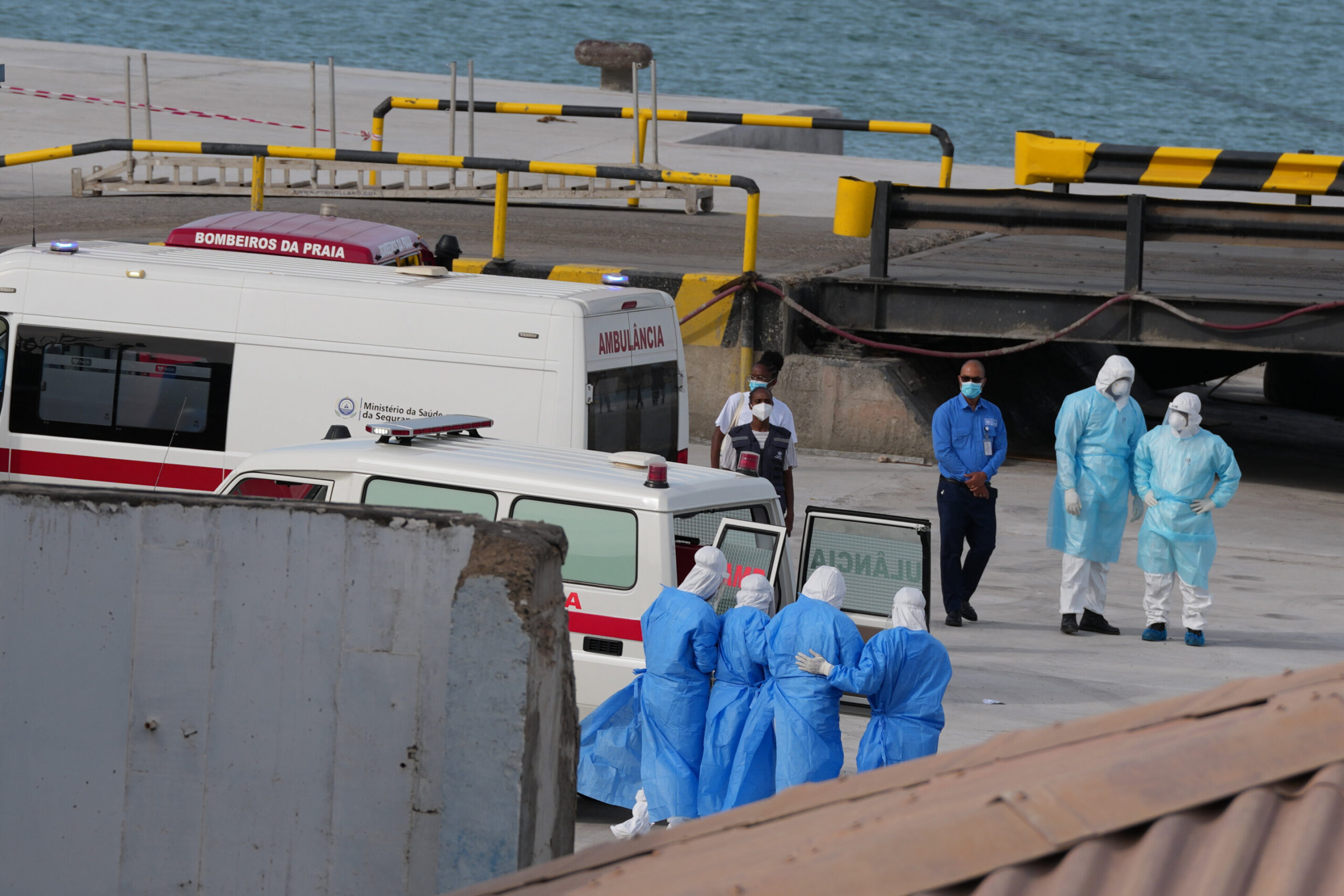
Passengers Disembark as Investigations Continue
While tracing efforts continue, many passengers have already left the ship.
Current Passenger Status
According to reports:
- Around 140 passengers remain onboard
- Ship is heading toward the Canary Islands
- No new symptoms reported among remaining passengers
Concern Over Early Departures
Authorities are also attempting to locate individuals who:
- Left the ship before the outbreak was identified
- May have traveled to other countries
- Could unknowingly carry exposure risk
Health Authorities Strengthen International Coordination
Because passengers are spread across multiple countries, health agencies are working together internationally.
Multi-Country Response Efforts
Coordinated actions include:
- Sharing passenger travel records
- Cross-border communication between health agencies
- Monitoring symptoms in different regions
Goal of the Response
The main objective is to:
- Prevent further transmission
- Identify all exposed individuals
- Understand the outbreak source
Risk Assessment and Public Health Outlook
Despite the severity of the outbreak, experts remain cautiously optimistic about containment.
Why Officials Are Not Expecting an Epidemic
Health authorities note that:
- Human-to-human transmission is rare
- Known cases remain limited
- Exposure chains appear contained
Continued Monitoring Needed
However, officials emphasize ongoing vigilance due to:
- Limited understanding of the virus strain
- Potential for viral mutation
- International movement of exposed individuals
FAQ
What is hantavirus contact tracing?
It is the process of identifying and monitoring people who may have been exposed to infected individuals to prevent further spread.
Can hantavirus spread between humans?
It is very rare, but some strains like the Andes virus are being studied for possible limited transmission.
Why is the cruise ship outbreak concerning?
Because passengers traveled internationally before the outbreak was identified, increasing exposure risks.
How many people were affected in the outbreak?
So far, around five confirmed cases and three deaths have been reported, with dozens potentially exposed.
Conclusion
The hantavirus contact tracing cruise ship outbreak highlights the challenges of managing rare infectious diseases in a highly mobile global environment. While the risk of widespread transmission remains low, health officials continue monitoring exposed individuals and studying the virus closely to prevent further cases.
Click here for more news