 0
0
 0
0
The WHO hantavirus cruise ship outbreak 2026 has drawn global attention after health authorities confirmed infections and deaths linked to a vessel stranded off the coast of Cape Verde. According to the World Health Organization, multiple cases have been identified among passengers, prompting ongoing investigations and public health monitoring.

WHO Confirms Cases and Deaths
The World Health Organization (WHO) reported that as of May 4, 2026, a total of seven cases have been identified. These include:
- Two laboratory-confirmed hantavirus cases
- Five suspected cases
- Three reported deaths
- One critically ill patient
- Three individuals with mild symptoms
The WHO hantavirus cruise ship outbreak 2026 highlights a rare but serious health situation, particularly given the confined environment of a cruise vessel.
Timeline of the Outbreak
Illness Onset During Voyage
The cruise journey, which began in Ushuaia, Argentina, and was heading toward Cape Verde, saw the onset of illness between April 6 and April 28, 2026.
Passengers reportedly developed symptoms during this period, leading to increasing concern among onboard medical teams and international health authorities.
Flight Contact Tracing Efforts
WHO officials are also attempting to contact passengers from a flight taken by one of the infected individuals. The flight traveled between Saint Helena and Johannesburg on April 25.
The infected passenger died the following day, raising concerns about potential exposure to others on the flight.
Symptoms and Clinical Presentation
The WHO hantavirus cruise ship outbreak 2026 has been characterized by a range of severe symptoms.
Common Symptoms Observed
- Fever
- Gastrointestinal issues
- Rapid progression to pneumonia
- Acute respiratory distress syndrome (ARDS)
- Shock
These symptoms indicate a serious infection that can escalate quickly, especially in vulnerable individuals.
Severity of Cases
Among the identified cases:
- One patient remains critically ill
- Several individuals have mild symptoms
- Fatal outcomes have already been recorded
The variation in severity highlights the unpredictable nature of hantavirus infections.

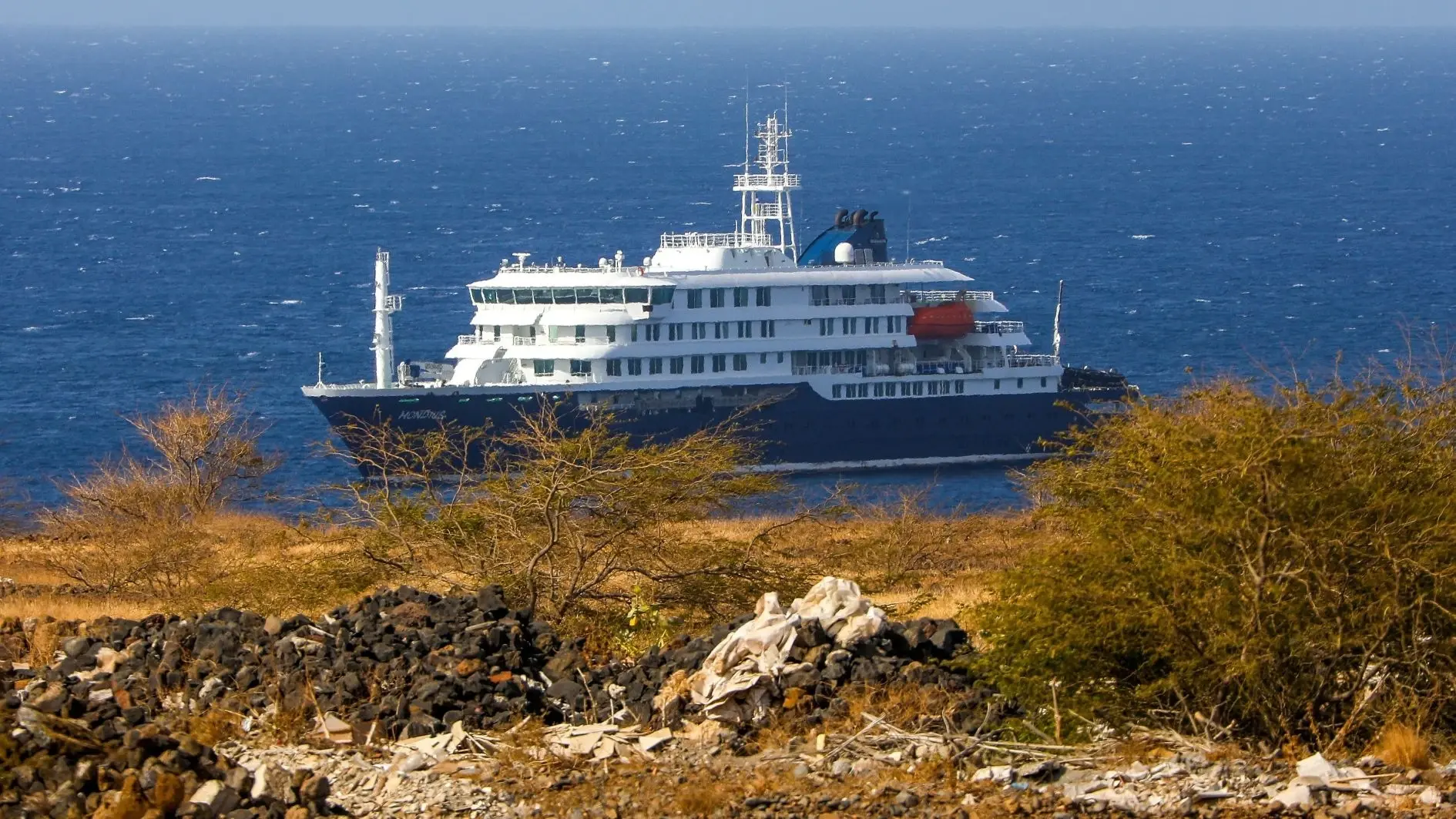
The outbreak occurred on the MV Hondius, travelling from Ushuaia in Argentina to Cape Verde. The patient being treated in Johannesburg tested positive for a hantavirus, a family of viruses that can cause hemorrhagic fever, South African spokesperson Foster Mohale said. (Photo by AFP)
What is Hantavirus?
Hantavirus is a group of viruses typically transmitted to humans through contact with infected rodents or their droppings. It is known to cause severe respiratory illnesses and, in some cases, can be fatal.
Transmission and Risk Factors
- Exposure to rodent urine, droppings, or saliva
- Inhalation of contaminated particles
- Rare human-to-human transmission (depending on strain)
Although hantavirus outbreaks are uncommon, they can be serious when they occur in enclosed environments such as ships or remote locations.
WHO Risk Assessment
Despite the seriousness of the cases, the World Health Organization has assessed the overall global risk as low.
Current Risk Evaluation
- Limited number of confirmed cases
- No widespread transmission reported
- Ongoing monitoring by health authorities
The WHO hantavirus cruise ship outbreak 2026 is being closely tracked to ensure that any potential spread is quickly contained.
Ongoing Investigations and Response
Health authorities continue to investigate the source and spread of the virus.
Key Actions Being Taken
- Monitoring affected passengers and crew
- Conducting laboratory testing of suspected cases
- Contact tracing for individuals exposed during travel
- Assessing environmental conditions on the ship
These measures are aimed at identifying the origin of the outbreak and preventing further infections.
Implications for Cruise Travel and Public Health
The WHO hantavirus cruise ship outbreak 2026 underscores the importance of health monitoring in travel environments. Cruise ships, in particular, present unique challenges due to close living conditions and shared facilities.

Public Health Considerations
- Importance of early detection and reporting
- Need for onboard medical preparedness
- Coordination between international health agencies
While the current risk remains low globally, the situation highlights the need for vigilance in managing infectious diseases during travel.
FAQ
What is the WHO hantavirus cruise ship outbreak 2026?
It refers to confirmed and suspected hantavirus cases reported by the World Health Organization among passengers on a cruise ship near Cape Verde.
How many people have been affected by the outbreak?
Seven cases have been identified, including two confirmed infections and three deaths.
What are the symptoms of hantavirus infection?
Symptoms include fever, gastrointestinal issues, pneumonia, respiratory distress, and shock.
Is the hantavirus outbreak a global threat?
The WHO has assessed the global risk as low but continues to monitor the situation closely.
Conclusion
The WHO hantavirus cruise ship outbreak 2026 represents a serious but contained public health incident. With confirmed cases, suspected infections, and fatalities reported, health authorities are actively investigating and managing the situation. While the global risk remains low, the outbreak highlights the importance of rapid response and international cooperation in addressing infectious disease threats.
Click here for news