 0
0
 0
0
The Erbil Baghdad drone attack compensation talks have begun as authorities in the Kurdistan Region of Iraq and the federal government in Baghdad work together to determine compensation for victims affected by recent drone and rocket attacks. The discussions come after a series of coordinated strikes that caused civilian casualties and widespread property damage across several cities in northern Iraq.
Officials confirmed that data on the extent of damage has already been collected, and negotiations are now focused on ensuring affected families receive financial support.
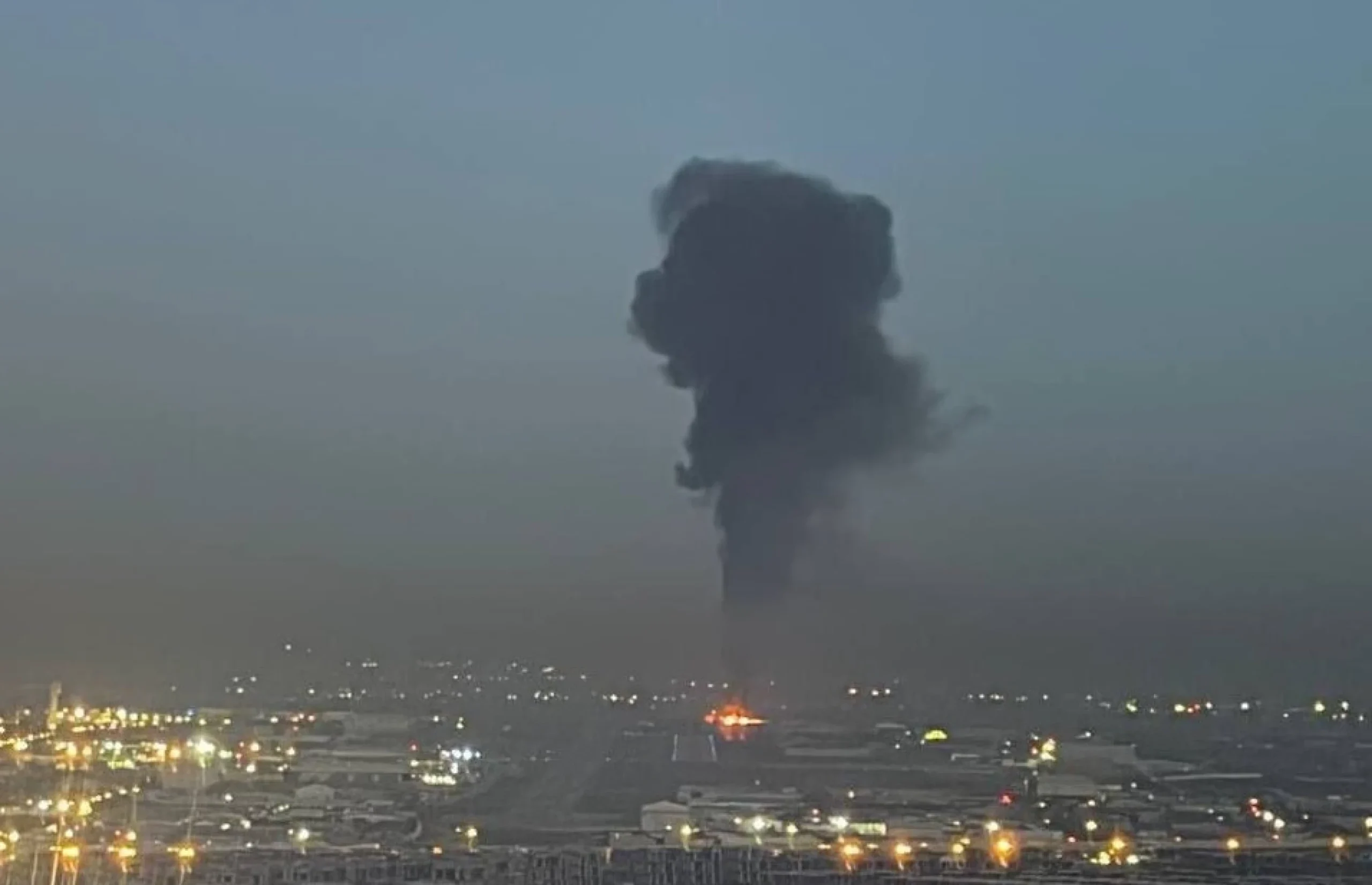
Erbil and Baghdad Open Compensation Negotiations
The Erbil Baghdad drone attack compensation talks were confirmed by Erbil Governor Omed Khoshnaw, who stated that discussions with federal authorities are ongoing to address the impact of the attacks.
Official Confirmation of Talks
According to the governor:
- Damage assessments have been completed across affected areas
- Data from all governorates has been compiled
- Talks with Baghdad are focused on compensation distribution
He emphasized that all affected individuals are expected to be included in the compensation process.
Coordination Between Governments
The negotiations involve coordination between:
- The Kurdistan Regional Government (KRG)
- Iraq’s federal government in Baghdad
- Relevant ministries responsible for finance and security
This cooperation is aimed at addressing both civilian losses and infrastructure damage.
Iraqi Government Approves Compensation Funding
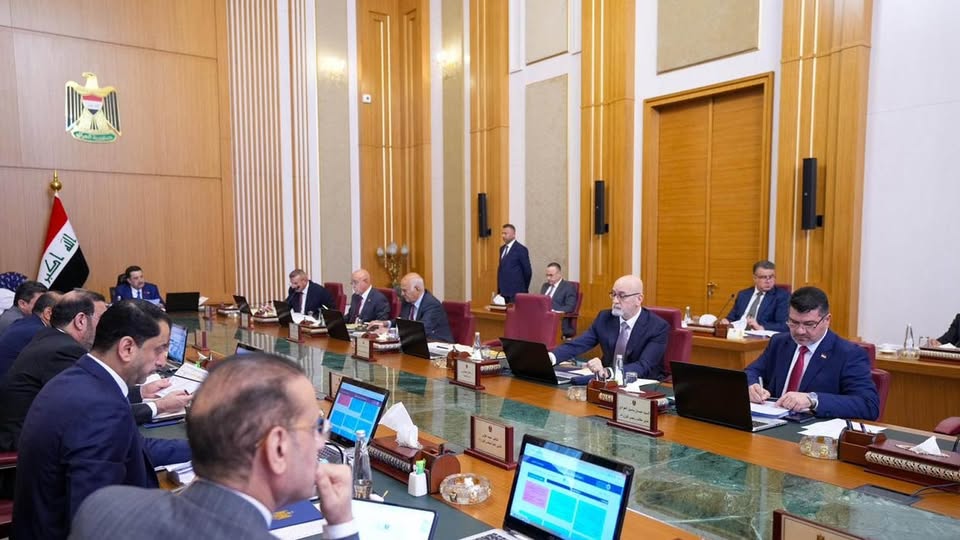
A key development in the Erbil Baghdad drone attack compensation talks came after Iraq’s Council of Ministers approved funding measures for victims of recent attacks.
Cabinet Decision Details
The Iraqi cabinet decision includes:
- Allocation of funds for families of the deceased
- Financial support for injured civilians
- Compensation for affected regions, including the Kurdistan Region
This approval marks an important step toward formalizing compensation mechanisms.
Inclusion of Kurdistan Region Victims
The compensation package explicitly includes victims in the Kurdistan Region, ensuring that residents affected by the attacks are not excluded from federal support measures.
Scale of Drone and Rocket Attacks in Kurdistan Region
The Erbil Baghdad drone attack compensation talks follow a wave of attacks that have significantly impacted civilian life in northern Iraq.
Total Number of Recorded Attacks
According to Kurdistan Regional Government data:
- 809 total attacks recorded since late February
- Attacks include drones and rockets
- Civilian areas and infrastructure were frequently targeted
Casualties and Damage
The attacks resulted in:
- 20 confirmed deaths
- 123 people injured
- Widespread property damage across multiple cities
Areas Most Affected
- Erbil: Highest number of strikes
- Sulaimani: Dozens of civilian sites impacted
- Duhok and Soran: Reported damage to residents and infrastructure
Damage Concentration in Erbil
Erbil, the capital of the Kurdistan Region, experienced the highest level of impact during the attacks.
Civilian and Property Damage
Reports indicate:
- 726 cases of property damage in Erbil alone
- Homes, vehicles, and workplaces affected
- Disruption to daily life in multiple districts
Strategic and Civilian Impact
The city also experienced:
- Repeated drone strike incidents
- Temporary disruptions near key facilities
- Increased security concerns among residents
Responsibility Claims and Security Concerns
The Erbil Baghdad drone attack compensation talks are taking place amid ongoing security concerns linked to armed groups operating in the region.
Claims of Responsibility
According to available reports:
- The Islamic Resistance in Iraq has claimed responsibility for several attacks
- The group is described as a network of pro-Iran militias
- Some attacks have been linked to broader regional tensions
Broader Regional Context
The attacks are part of a wider security environment influenced by:
- Regional geopolitical tensions
- Cross-border military activity
- Ongoing disputes involving armed groups
Kurdish Authorities Call for Action
Kurdish officials have repeatedly raised concerns over the repeated attacks and their impact on civilians.
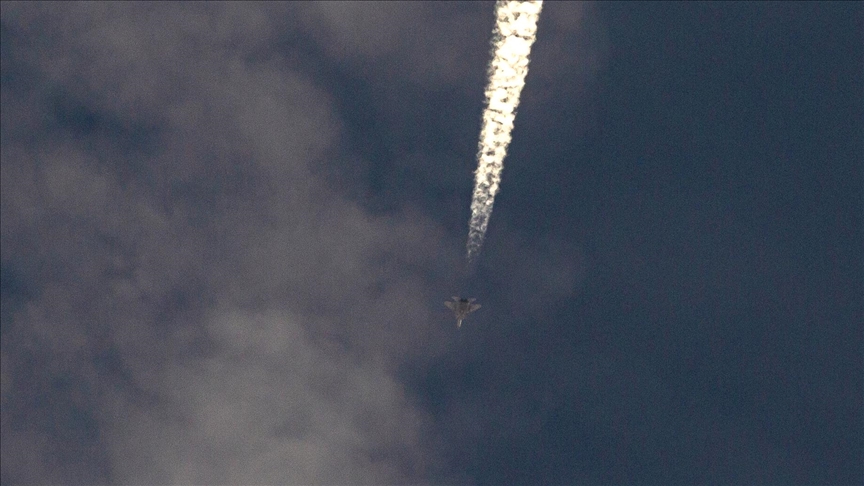
Calls for Federal Intervention
Authorities in the Kurdistan Region have urged Baghdad to:
- Control armed groups operating outside state authority
- Prevent further attacks on civilian areas
- Strengthen security coordination across regions
Emphasis on Civilian Protection
Officials stress that:
- Civilian infrastructure continues to be at risk
- Repeated attacks are causing long-term displacement concerns
- Compensation alone is not sufficient without improved security
Impact on Civilians and Communities
The Erbil Baghdad drone attack compensation talks highlight the human impact of ongoing instability.
Effects on Daily Life
Residents have faced:
- Damage to homes and businesses
- Emotional and psychological stress
- Disruptions to transportation and services
Economic Consequences
Local economies have also been affected through:
- Destruction of commercial properties
- Reduced business activity in affected areas
- Increased reconstruction costs
FAQ Section
What are the Erbil Baghdad drone attack compensation talks about?
They involve discussions between Erbil and Baghdad on compensating victims of recent drone and rocket attacks in the Kurdistan Region of Iraq.
How many attacks have been recorded in the Kurdistan Region?
Authorities report 809 attacks since late February, affecting multiple cities including Erbil, Sulaimani, and Duhok.
Who is responsible for the attacks?
Some attacks have been claimed by the Islamic Resistance in Iraq, a network of militias operating in the region.
What compensation measures have been approved?
The Iraqi government has approved funding to support families of the deceased, injured individuals, and those affected by property damage.
Conclusion
The Erbil Baghdad drone attack compensation talks represent an ongoing effort by regional and federal authorities to address the consequences of recent violence in the Kurdistan Region. While compensation measures are being developed, officials continue to emphasize the need for improved security coordination to prevent further attacks and protect civilian communities.
Click here for more news