 0
0
 0
0
China L5 solar observatory spacecraft mission marks a major step in space exploration as the country prepares to send a spacecraft to a region of space that has never been visited before.
China Announces Ambitious L5 Space Mission
The China National Space Administration (CNSA) has unveiled plans for a groundbreaking mission involving the Lagrange-V Solar Observatory (LAVSO). The spacecraft is designed to become the first ever to operate at the Sun-Earth L5 Lagrange point.
This China L5 solar observatory spacecraft mission was announced during China’s 11th Space Day event in Chengdu, where multiple advanced space exploration projects were presented.
What Makes This Mission Significant?
The L5 point has never been explored by any spacecraft before. It is located in a stable gravitational position where:
- The Sun and Earth’s gravity balance orbital forces
- Spacecraft can remain in a stable orbit with minimal fuel use
- Long-term scientific observation becomes possible
This makes the mission a major milestone in deep-space observation technology.
Understanding the L5 Lagrange Point
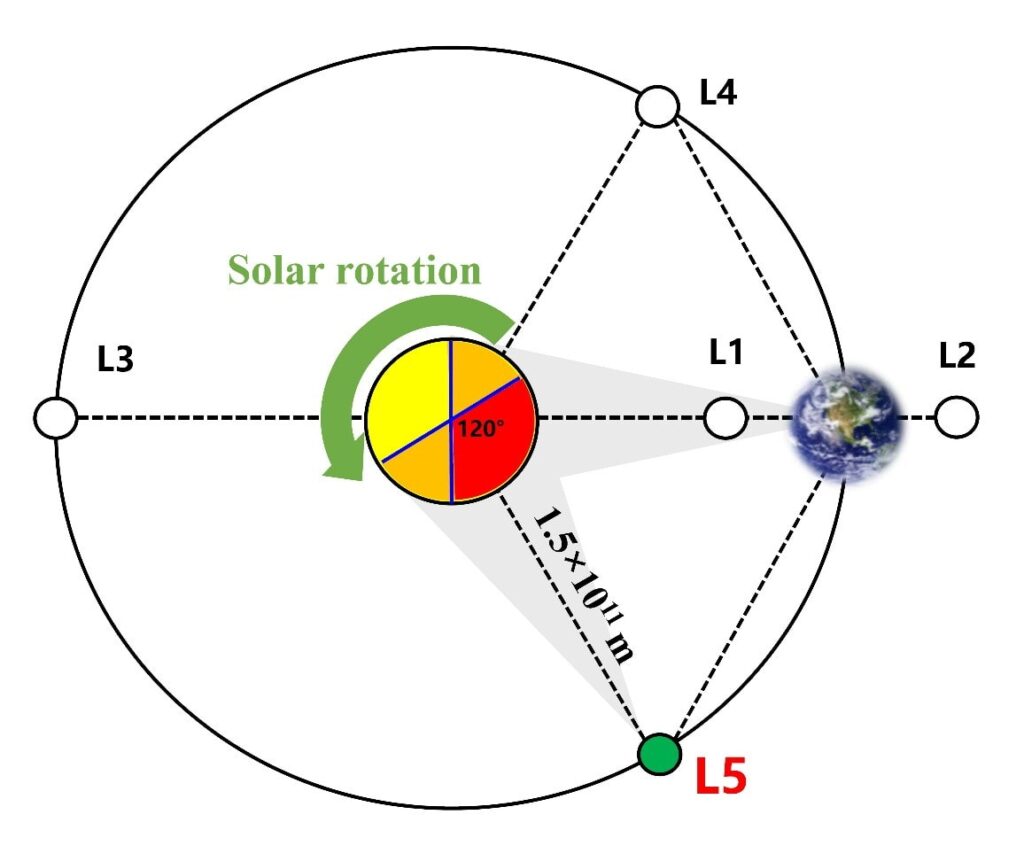
The L5 point is part of a group of five gravitational balance zones known as Lagrange points in the Sun-Earth system.
The Five Lagrange Points Explained
- L1: Between Earth and the Sun
- L2: Behind Earth, opposite the Sun
- L3: Behind the Sun, opposite Earth
- L4 & L5: Form stable triangular positions with Earth and the Sun
The China L5 solar observatory spacecraft mission will specifically target L5, located 60 degrees behind Earth in its orbit.
Why L5 Is Important
Scientists consider L5 ideal for:
- Space weather monitoring
- Solar storm tracking
- Long-term solar observation
- Early warning systems for Earth impacts
LAVSO Spacecraft Mission Objectives
The LAVSO spacecraft will focus on studying the Sun in unprecedented detail from its unique orbital position.
Key Scientific Goals
The mission aims to:
- Study magnetic fields in solar active regions
- Analyze solar eruption structures in 3D
- Track how solar storms travel through space
- Improve space weather forecasting systems
Why This Research Matters
Understanding solar activity is important because it can impact:
- Satellite communications
- Power grids on Earth
- GPS navigation systems
- Astronaut safety in space
Timeline of the China L5 Solar Mission
The China L5 solar observatory spacecraft mission is expected to follow a long development and deployment timeline.
Planned Mission Schedule
- Launch target: 2029
- Initial space travel phase: 140 days after launch
- Final orbital insertion: approximately 790 days after departure
Launch Vehicle
The spacecraft will be launched using a rocket that has not yet been publicly named.
Scientific Instruments Onboard LAVSO
The spacecraft will carry advanced scientific equipment designed for solar observation.
Main Instruments Include:
- Spectro-Magnetograph Telescope
- Coronagraph and Heliospheric Imager Package
- Extreme Ultraviolet Imager
- High-Energy Solar Telescope
- In-Situ Measurement Package
These tools will allow researchers to collect detailed data about solar activity and space conditions.
Open Opportunity for Private Space Partners
China has also announced that the mission will allow additional payloads from private organizations.
How Private Participation Works
- Private payloads will be added in a piggyback system
- Each system must operate independently
- Only compatible technologies will be accepted
This opens the mission to international and commercial collaboration opportunities.
Importance of the L5 Space Region
The China L5 solar observatory spacecraft mission is significant because L5 remains one of the least explored stable regions in space.
Current Use of Lagrange Points
Some Lagrange points are already in use:
- L1 hosts solar observation missions
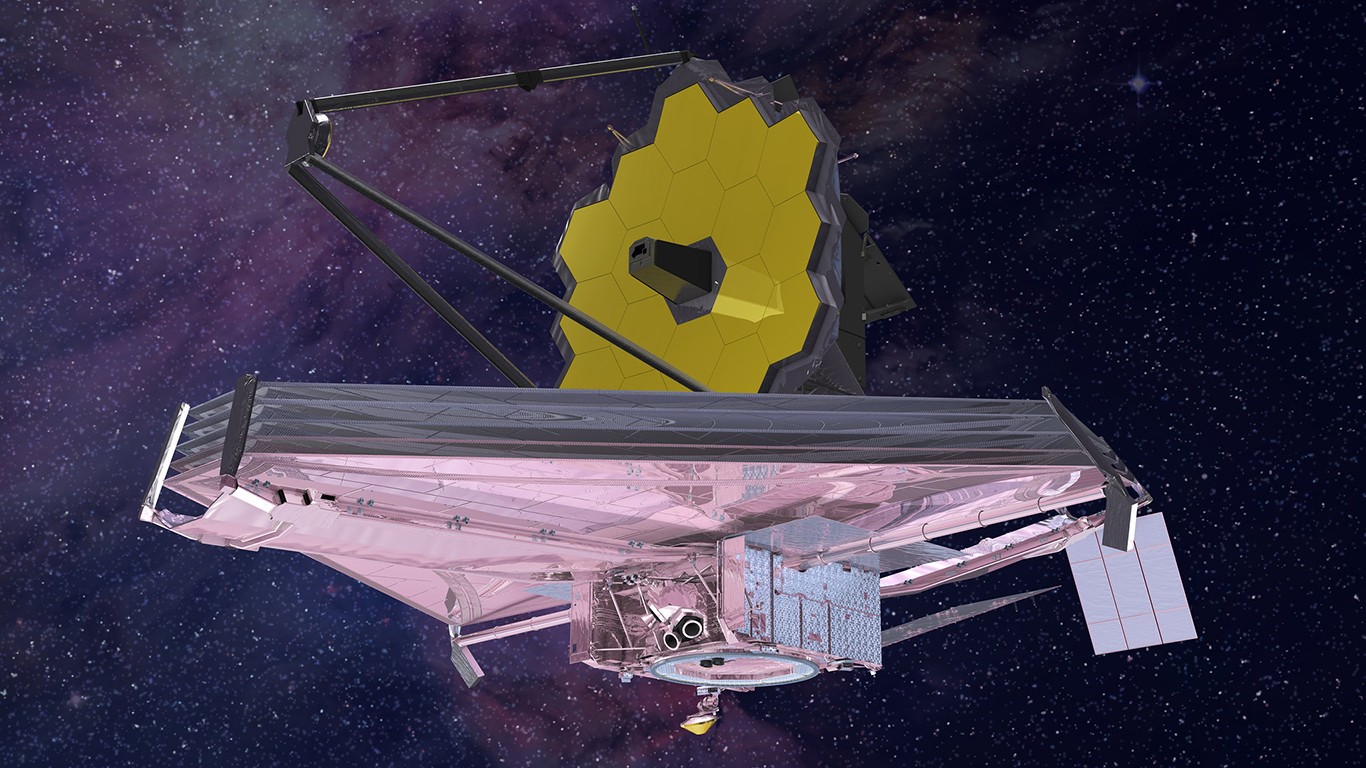
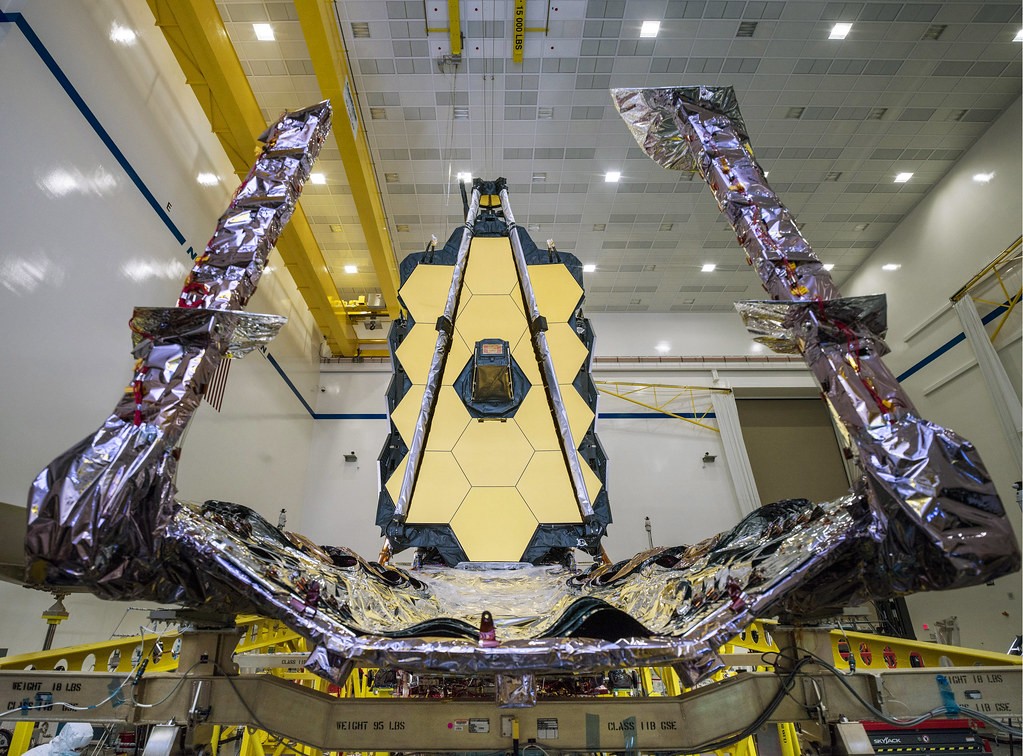
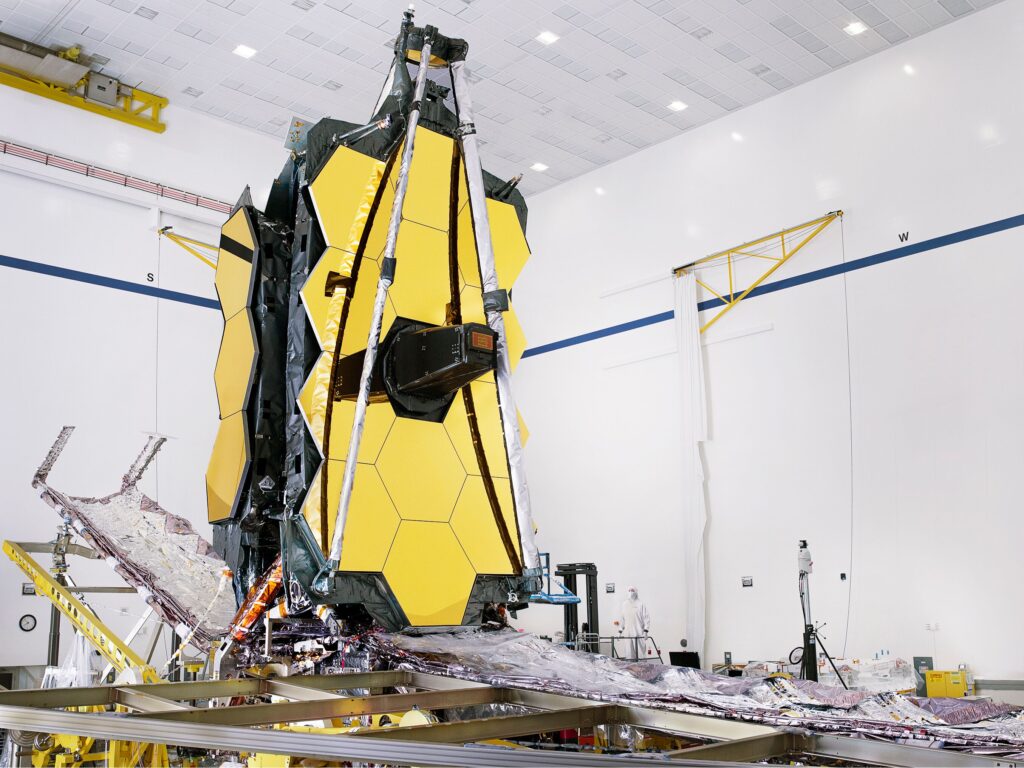
- L2 hosts deep-space telescopes like the James Webb Space Telescope
However, L4 and L5 remain largely unexplored.
Scientific Potential of L5
L5 could provide:
- Early detection of solar storms
- Improved understanding of solar physics
- Better predictive models for space weather
Global Impact of the Mission
If successful, the China L5 solar observatory spacecraft mission could reshape solar science globally.
Potential Benefits
- Better protection of Earth-based infrastructure
- Improved satellite safety systems
- Enhanced global space weather forecasting
Scientific Collaboration Potential
The mission could also encourage:
- International data sharing
- Private sector participation
- Future deep-space exploration missions
FAQ
What is the China L5 solar observatory spacecraft mission?
It is a planned Chinese space mission to place a solar observatory at the L5 Lagrange point for studying the Sun.
Why is L5 important in space exploration?
L5 is a stable gravitational point ideal for long-term solar observation and space weather monitoring.
When will the LAVSO spacecraft launch?
The mission is currently planned for launch in 2029.
What will the spacecraft study?
It will study solar eruptions, magnetic fields, and space weather patterns affecting Earth.
Conclusion
The China L5 solar observatory spacecraft mission represents a major advancement in solar science and deep-space exploration. By targeting an unexplored region of space, the mission aims to improve understanding of the Sun and enhance global space weather prediction capabilities.
PLEASE CLICK HERE FOR MORE NEWS