 0
0
 0
0
The Russia war on faith Ukraine bill has been introduced by a group of bipartisan US lawmakers seeking to address allegations of religious persecution in Russian-occupied territories of Ukraine. The proposed legislation aims to increase accountability through reporting requirements and potential sanctions.

US Congress Moves to Address Religious Freedom Concerns
A bipartisan group of lawmakers in the United States has introduced the Countering Russia’s War on Faith Act, a legislative effort designed to respond to reported violations of religious freedom during the ongoing conflict in Ukraine.
The bill focuses on claims that religious communities in occupied areas are facing systematic suppression.
Key Sponsors Behind the Bill
The legislation is led by members of Congress from both major political parties, reflecting broad political support.
Notable figures involved include:
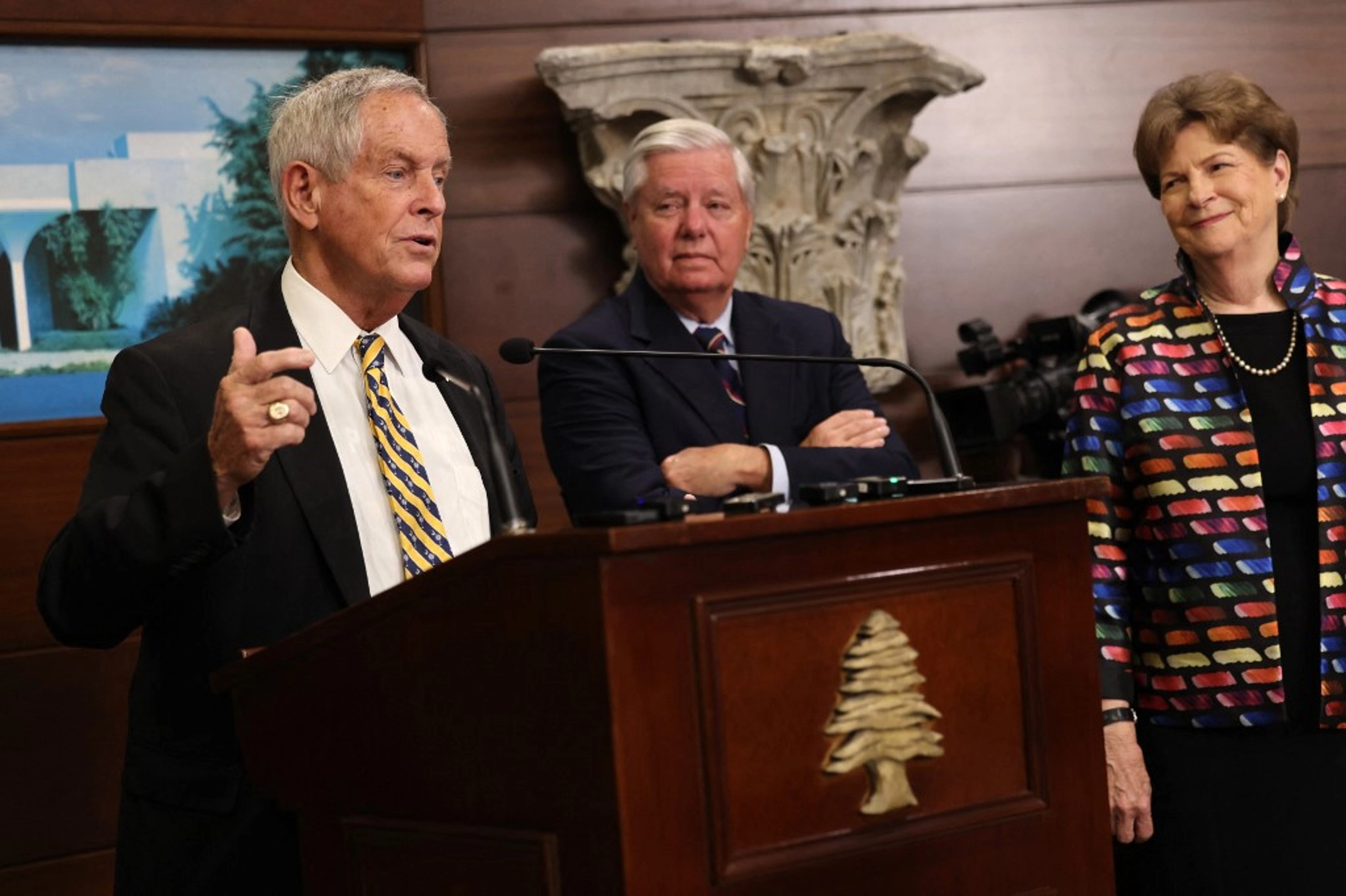
- Rep. Joe Wilson (R-SC)
- Senators supporting human rights initiatives in foreign policy
- Members of the Helsinki Commission
Their involvement highlights the growing attention on religious freedom as part of international policy discussions.
Core Purpose of the Legislation
The Russia war on faith Ukraine bill is designed to:
- Monitor religious persecution in occupied territories
- Document destruction of places of worship
- Identify individuals responsible for violations
- Strengthen US foreign policy responses
The bill places emphasis on transparency and accountability in conflict zones.
Reporting Requirements on Religious Persecution
One of the central elements of the proposed law is mandatory reporting by US government departments.
State and Defense Department Involvement
The bill requires the US Secretary of State and Secretary of Defense to jointly submit reports covering:
- Actions taken against religious communities
- Suppression of worship activities
- Destruction of religious infrastructure
- Conditions in Russian-occupied regions
These reports would help Congress assess the situation more accurately.
Focus on Occupied Ukrainian Territories
The legislation specifically targets areas under Russian control in Ukraine, where lawmakers allege that religious groups face increased pressure.
The goal is to ensure that these developments remain a consistent focus in US foreign policy.
Proposed Sanctions Against Individuals
Another major component of the Russia war on faith Ukraine bill is the introduction of sanctions.
Who Could Be Sanctioned
The bill authorizes the US president to impose penalties on:
- Individuals involved in religious persecution
- Officials supporting suppression policies
- Foreign actors complicit in violations
These sanctions could include travel bans and financial restrictions.
Purpose of Sanctions
Lawmakers argue that sanctions are intended to:
- Deter further violations of religious freedom
- Hold accountable those involved in abuses
- Increase diplomatic pressure on responsible parties
This approach expands existing sanctions frameworks tied to the Ukraine conflict.
Allegations of Religious Persecution in Ukraine
The bill is based on claims that religious groups have been systematically targeted during the war.
Reports of Attacks on Worship Sites
Lawmakers cited reports indicating:
- More than 600 places of worship have been damaged or destroyed
- Religious leaders have been targeted in conflict zones
- Certain faith communities face restrictions under occupation
These claims form the foundation of the legislative push.
Accusations Against Russian Forces
Supporters of the bill allege that Russian military forces:
- Favor the Russian Orthodox Church aligned with the state
- Restrict other religious groups
- Suppress independent religious expression
These allegations remain part of ongoing international debates.
Political Support and Statements
The Russia war on faith Ukraine bill has received support from several US lawmakers who frame the issue as part of broader human rights concerns.
Congressional Views on Religious Freedom
Some lawmakers argue that:
- Religious persecution should be treated as a human rights violation
- War-related accountability must extend beyond military actions
- International pressure is necessary to protect civilians
These perspectives highlight the moral dimension of the legislation.
Emphasis on Accountability
Supporters emphasize that the bill ensures:
- Continued documentation of abuses
- Political accountability for violations
- Integration of human rights into foreign policy decisions
Broader US Policy Context
The introduction of the bill comes amid wider discussions in Washington about how to respond to the war in Ukraine.
Sanctions and Economic Pressure Debate
US policymakers continue to debate:
- Energy-related sanctions against Russia
- Global market stability concerns
- Long-term economic strategies
Some measures have faced criticism for balancing economic needs with geopolitical pressure.
Human Rights as a Foreign Policy Tool
The bill reflects a broader shift in US policy priorities, where human rights issues are increasingly integrated into international strategy.
This includes:
- Religious freedom protections
- Civilian protection frameworks
- Accountability for wartime conduct
Ongoing Conflict and Civilian Impact
The war in Ukraine continues to have significant humanitarian consequences beyond the battlefield.
Continued Attacks on Civilian Areas
Reports from the region indicate:
- Ongoing missile and drone strikes
- Damage to residential infrastructure
- Casualties among civilians
These developments contribute to international concern.
Humanitarian and Legal Implications
The situation raises questions about:
- Protection of non-combatants
- Compliance with international law
- Long-term reconstruction needs
Religious communities are among those affected by the broader conflict.
FAQ
What is the Russia war on faith Ukraine bill?
It is a proposed US legislative act aimed at addressing alleged religious persecution in Russian-occupied areas of Ukraine through reporting and sanctions.
Who introduced the bill?
The bill was introduced by bipartisan US lawmakers, including Rep. Joe Wilson and members of the Helsinki Commission.
What does the bill aim to achieve?
It seeks to document religious persecution, impose sanctions on responsible individuals, and strengthen US foreign policy on human rights.
Why is religious freedom included in Ukraine policy discussions?
Lawmakers argue that religious persecution is part of broader human rights concerns arising from the ongoing conflict in Ukraine.
Conclusion
The Russia war on faith Ukraine bill represents a new effort by US lawmakers to address alleged religious persecution in conflict zones. By combining reporting requirements with potential sanctions, the legislation seeks to expand accountability measures tied to the war in Ukraine. The proposal highlights how human rights issues continue to shape international policy debates.
Click here for more news