 0
0
 0
0
The golden orb seabed Alaska discovery has finally been explained after scientists confirmed that the strange golden object found deep beneath the Gulf of Alaska is not an egg, but a fragment of deep-sea marine life.
Discovery of the Golden Orb on Alaska Seabed
The unusual object was first discovered during a deep-sea exploration mission in the Gulf of Alaska, where researchers were surveying the ocean floor at extreme depths.
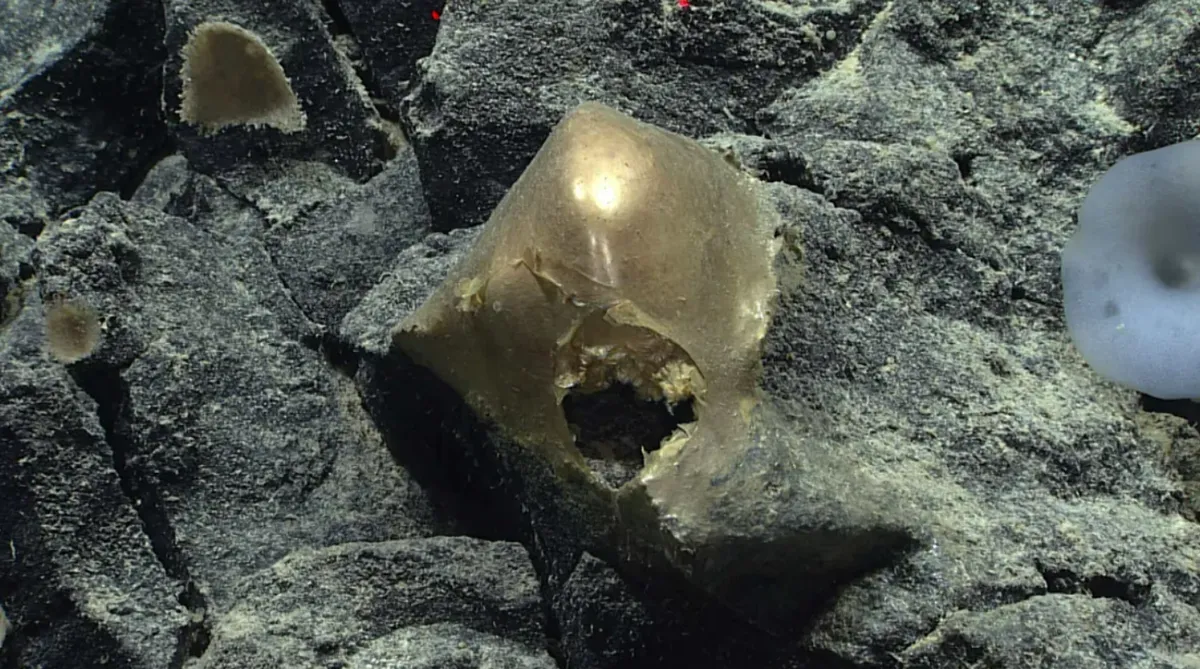
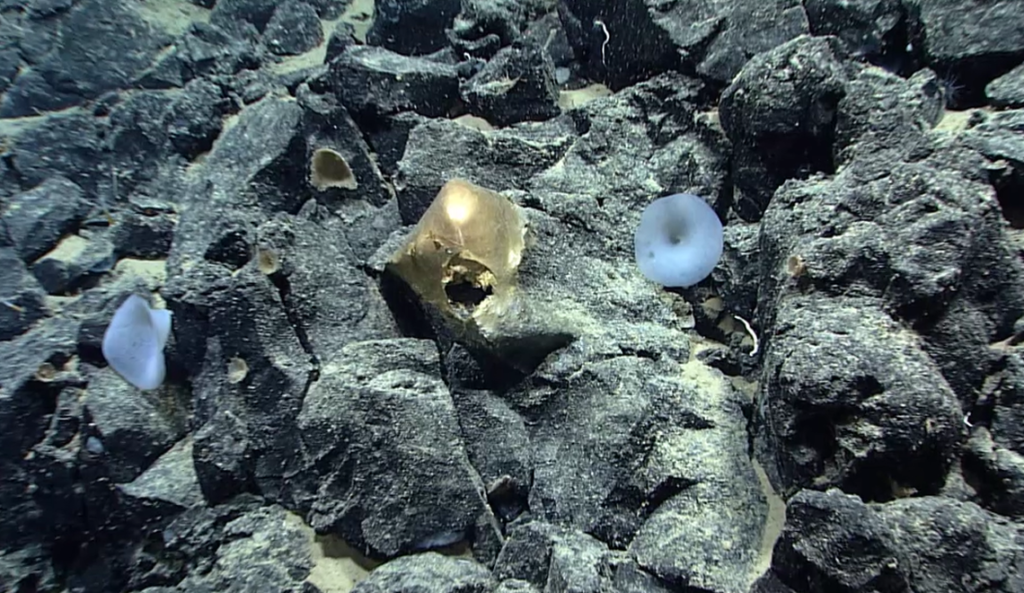
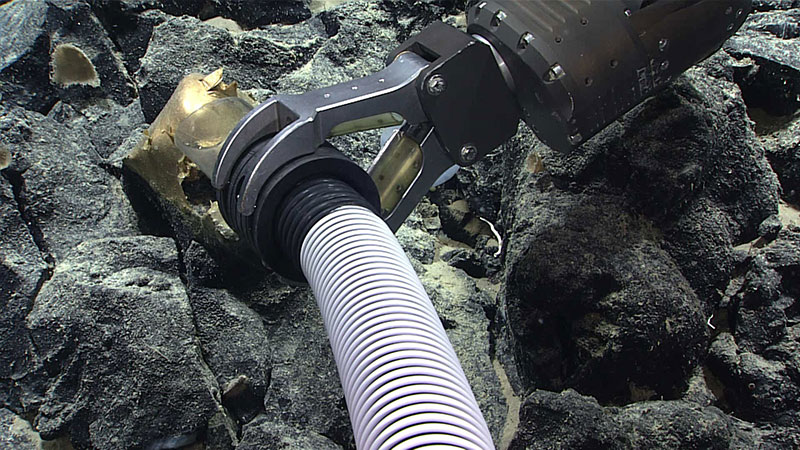
Using a remotely operated vehicle (ROV), scientists spotted a glowing golden sphere resting among rocky terrain on the seabed.
Where the Object Was Found
The discovery took place:
- Location: Gulf of Alaska
- Depth: Around 3,250 meters (over 2 miles)
- Expedition: NOAA Seascape Alaska 5 mission
The golden orb seabed Alaska discovery quickly became one of the most unusual findings recorded during the expedition.
First Reactions from Scientists
Researchers onboard the expedition described confusion and curiosity upon seeing the object for the first time.
Initial theories included:
- A marine sponge
- A possible egg case
- An unknown deep-sea organism
Scientific Investigation Into the Golden Orb
After the discovery, the specimen was carefully retrieved using robotic equipment and brought onboard for analysis.
Recovery From the Ocean Floor
A robotic arm was used to collect the object and transport it to the surface vessel for study.
Scientists noted:
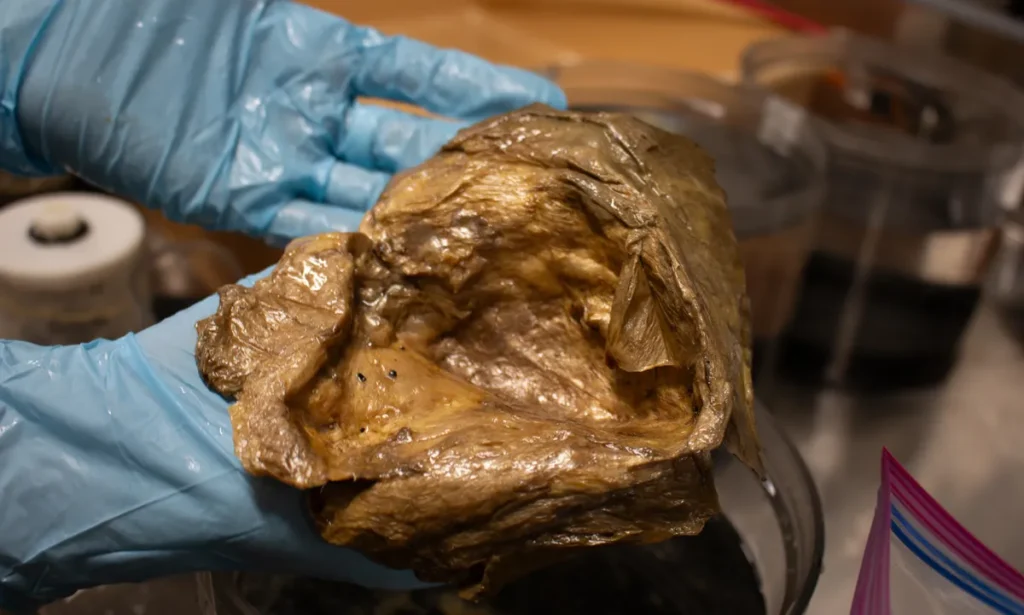
- The object had a soft, fibrous structure
- It appeared layered and slightly gelatinous
- It contained stinging cell-like structures
The golden orb seabed Alaska discovery was then sent to a research facility for detailed examination.
Transfer to Smithsonian Experts
The sample was later analyzed by specialists at the Smithsonian National Museum of Natural History.
Researchers used multiple scientific methods including:
- Morphological examination
- Genetic testing
- Bioinformatics analysis
What the Golden Orb Really Was
After more than two years of research, scientists finally identified the object.
Final Scientific Conclusion
The golden orb was confirmed to be:
- A detached fragment of deep-sea anemone tissue
- Likely from a species related to Relicanthus daphneae
- Not an egg or unknown organism
This conclusion solved the mystery behind the golden orb seabed Alaska discovery.
Why It Looked So Strange
Scientists explained that:
- Deep-sea organisms often break apart after detachment
- Tissue can form unusual spherical shapes
- Ocean pressure and conditions affect appearance
Role of DNA Analysis in Solving the Mystery
Genetic testing played a key role in identifying the specimen.
Challenges in DNA Identification
Initial DNA barcoding results were unclear due to:
- Possible contamination from microorganisms
- Degraded genetic material
- Complex deep-sea DNA structures
Final Genetic Findings
Whole-genome sequencing confirmed:
- Strong match to deep-sea anemone species
- High similarity to known cnidarian organisms
- No evidence of unknown life forms
Why the Discovery Captured Global Attention
The unusual appearance of the object sparked widespread curiosity among scientists and the public.
Public Reaction to the “Golden Orb”
The discovery gained attention because:
- It looked like a mysterious egg-like object
- It was found in deep unexplored ocean territory
- Early speculation suggested unknown marine life
The golden orb seabed Alaska discovery became a viral topic in science communities.
Deep-Sea Exploration Importance
Researchers emphasized that deep-ocean exploration often reveals:
- Unknown biological structures
- Rare marine species
- Unexpected natural formations
Significance of the Discovery
Although the object was not a new species, it still provided valuable scientific insight.
Contributions to Marine Science
The study helped improve understanding of:
- Deep-sea organism fragmentation
- Genetic identification methods
- Marine biodiversity mapping
Importance of Continued Ocean Exploration
Scientists highlight that discoveries like this:
- Help refine classification systems
- Improve deep-sea mapping accuracy
- Expand knowledge of ocean ecosystems
FAQ Section
What was the golden orb found on the Alaska seabed?
It was confirmed to be a fragment of deep-sea anemone tissue, not an egg.
Where was the golden orb discovered?
It was found in the Gulf of Alaska at a depth of about 3,250 meters.
Why did scientists think it might be an egg?
Its spherical shape and unknown origin initially led to speculation about an egg case.
Is the golden orb a new species?
No, it was identified as tissue from a known deep-sea anemone species.
Conclusion
The golden orb seabed Alaska discovery highlights how mysterious deep-sea environments can appear before scientific analysis reveals the truth. While the object was not an unknown creature or egg, the finding reinforces the importance of continued ocean exploration and advanced genetic research in understanding Earth’s deepest ecosystems.
PLEASE CLICK HERE FOR MORE NEWS