 0
0
 0
0
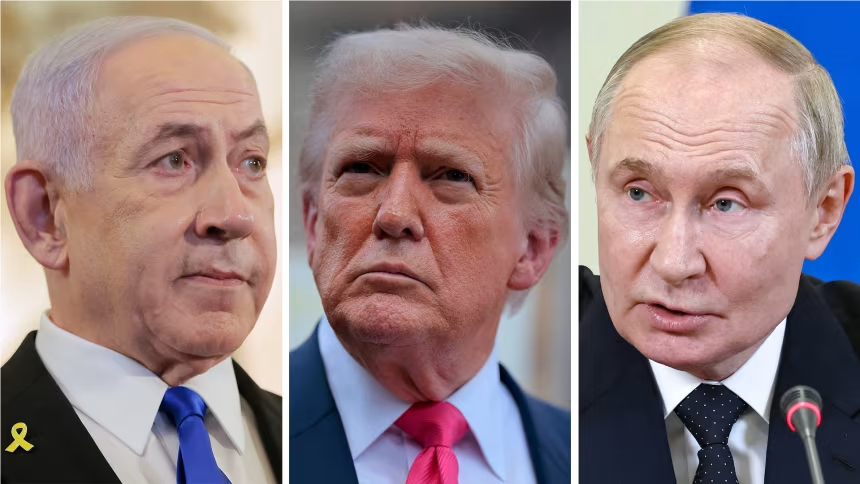
The Amnesty report Trump Putin Netanyahu analysis has drawn global attention after Amnesty International released its latest annual human rights report, which alleges that world leaders are increasingly using mass violence and conflict as tools to strengthen political power.
The report examines human rights conditions across 144 countries and warns that global governance is shifting away from diplomacy toward conflict-driven power struggles.
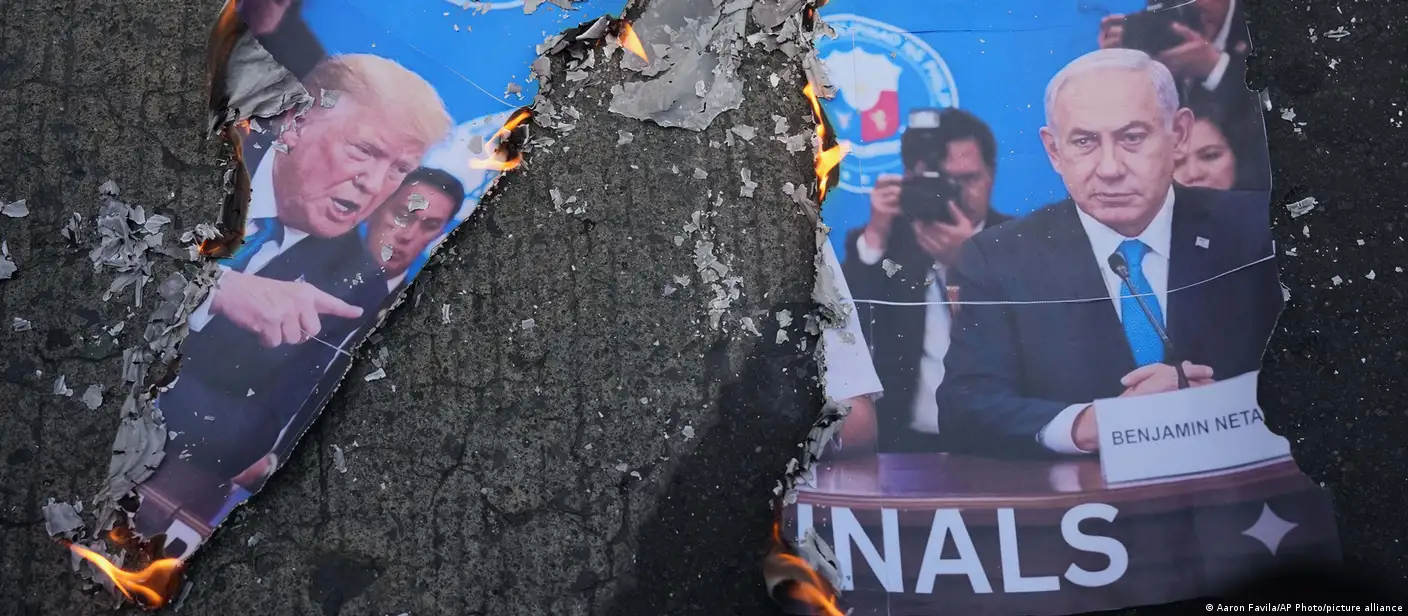
Amnesty International Global Human Rights Report Overview
The latest Amnesty International report presents a wide-ranging assessment of human rights violations and political instability worldwide.
Scope of the Report
The report covers:
- Human rights conditions in 144 countries
- Ongoing armed conflicts and civilian impact
- State actions affecting international law
- Political leadership and accountability issues
Key Global Concern
A major warning from the report is that the international system is increasingly dominated by:
- Military conflict over diplomacy
- Weak enforcement of international law
- Rising authoritarian influence
The Amnesty report Trump Putin Netanyahu narrative is part of this broader assessment of global instability.
Allegations Against Trump, Putin and Netanyahu
One of the most controversial parts of the report focuses on political leaders accused of contributing to mass violence and global instability.
Leaders Named in the Report
Amnesty International references:
- Donald Trump (United States)
- Vladimir Putin (Russia)
- Benjamin Netanyahu (Israel)
The report suggests these leaders are part of a global pattern where state power is reinforced through conflict and military actions.
Key Claims by Amnesty International
According to the report:
- Political leaders are linked to large-scale violence
- Military actions are used to strengthen political influence
- Civilian populations are heavily affected by conflicts
The Amnesty report Trump Putin Netanyahu discussion has sparked debate due to its strong wording and political implications.
Claims of Global Power and Violence
The report argues that some governments are using force and military power as instruments of political control.
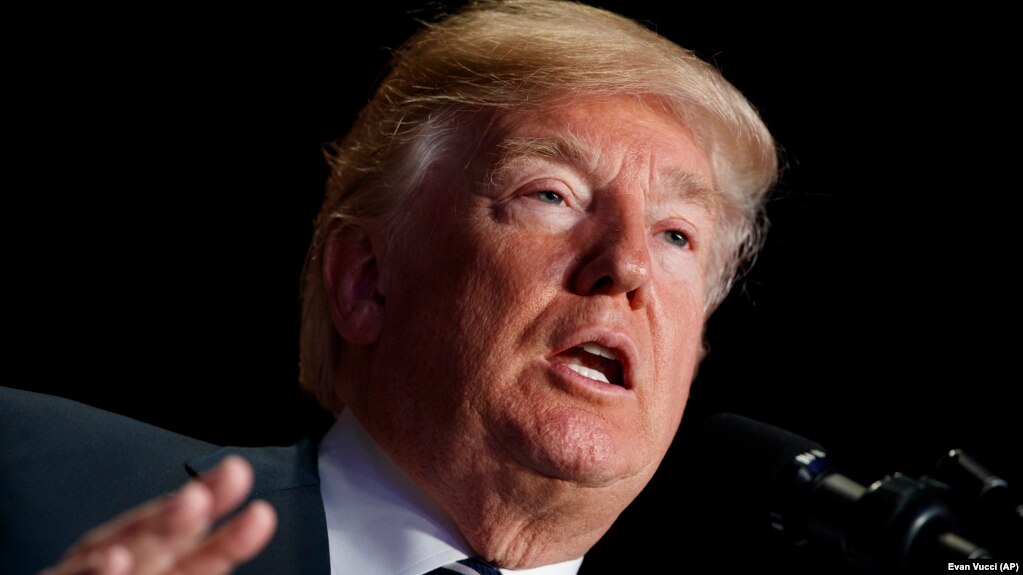
“Predatory Politics” Description
Amnesty describes certain global actions as part of a “predatory” system where:
- Power is maintained through force
- International law is weakened
- Civilian harm is widespread
Broader Geopolitical Context
The report connects these concerns to ongoing conflicts in:
- Ukraine
- Gaza
- Other regions experiencing armed violence
The Amnesty report Trump Putin Netanyahu framing is part of a wider critique of global political behavior.
Human Rights Violations Highlighted Globally
Beyond individual leaders, the report outlines multiple human rights concerns across different regions.
Major Conflict Areas
Amnesty highlights ongoing issues in:
- Ukraine (war-related civilian harm)
- Gaza (widespread destruction and casualties)
- Sudan and Myanmar (armed conflict and instability)
Reported Human Rights Issues
The report identifies:
- Civilian deaths in conflict zones
- Forced displacement of populations
- Allegations of unlawful military actions
These findings support the broader Amnesty report Trump Putin Netanyahu assessment of global instability.
Accusations of Weak International Law Enforcement
The report also criticizes the weakening of global legal and diplomatic systems.
Decline in Accountability
According to Amnesty International:
- International institutions face reduced influence
- Enforcement of human rights law is inconsistent
- Some states bypass global accountability systems
Impact on Global Stability
This weakening is linked to:
- Increased armed conflict
- Reduced diplomatic cooperation
- Expansion of geopolitical tensions
Positive Developments Mentioned in the Report
Despite its critical tone, the report also highlights some positive international developments.
Legal and Human Rights Progress
Amnesty notes:
- Creation of investigative bodies for war crimes
- Some countries restricting arms exports to conflict zones
- Expansion of reproductive rights in certain regions
Examples of Cooperation
Countries including:
- Belgium
- Canada
- Spain
- Colombia
have taken steps to adjust arms policies or support international accountability efforts.
Situation in Poland Highlighted in Report
The report also focuses on Poland as part of its country-specific analysis.
Border Policy Concerns
Amnesty highlights:
- Restrictions on asylum applications at the Belarus border
- Extended suspension of refugee protection rights
- Limited access for journalists and observers
Additional Human Rights Issues
The report also mentions:
- Concerns about LGBT+ discrimination
- Issues with social benefits for unmarried couples
- Lack of certain international human rights ratifications
These points form part of the broader Amnesty report Trump Putin Netanyahu global analysis.
Global Response and Civil Society Reactions
The report emphasizes the role of civil society in responding to global challenges.
Public Protests and Activism
Amnesty highlights:
- Mass protests in multiple countries
- Youth-led movements advocating for rights
- Demonstrations against military conflicts
International Advocacy Efforts
Activist actions include:
- Campaigns against arms exports
- Legal challenges to government policies
- Humanitarian solidarity movements
Interpretation of Amnesty’s Findings
The report presents a strong warning about global governance trends.
Key Interpretation Points
- Power politics is overtaking diplomacy
- Human rights protections are under pressure
- International systems face structural challenges
Controversy Around the Report
The inclusion of specific leaders in the Amnesty report Trump Putin Netanyahu analysis has sparked:
- Political debate
- International criticism
- Differing interpretations of accountability
FAQ Section
What does the Amnesty report say about Trump, Putin and Netanyahu?
It claims they are linked to political systems where mass violence is used to strengthen power and influence.
How many countries does the Amnesty report cover?
The report assesses human rights conditions in 144 countries worldwide.
Does the report only criticize leaders?
No, it also highlights global issues such as conflict zones, human rights abuses, and institutional weaknesses.
Are there any positive findings in the report?
Yes, it notes some progress such as legal reforms, arms restrictions, and new accountability mechanisms.
Conclusion
The Amnesty report Trump Putin Netanyahu analysis presents a critical view of global leadership and rising geopolitical tensions. While it highlights serious human rights concerns and ongoing conflicts, it also points to areas of international progress and civil resistance. The report ultimately emphasizes the need for stronger global cooperation and renewed commitment to human rights and international law.
Click here for more news