 0
0
 0
0
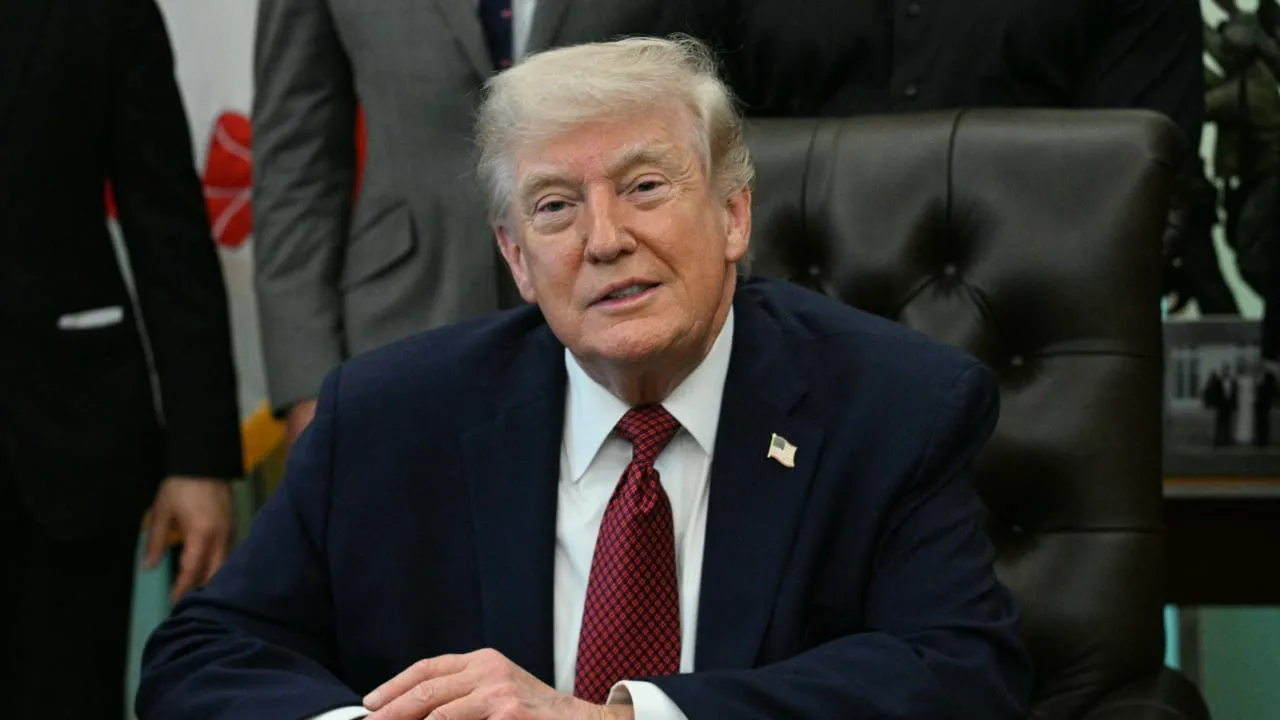
The Trump Iran ceasefire deal talks have taken a new direction after the United States President stated that he does not support extending the current ceasefire arrangement with Iran, while expressing confidence that a final agreement could still be reached.
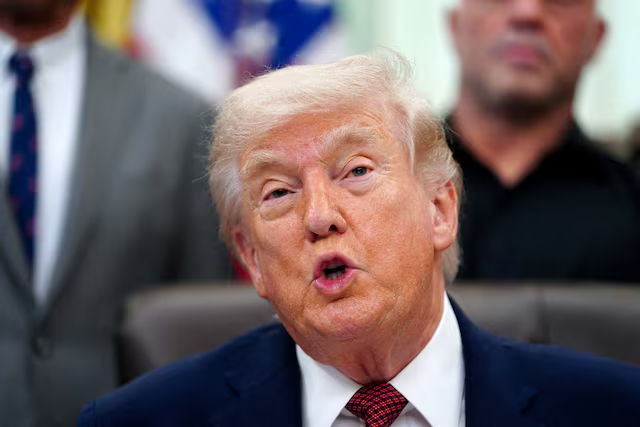
In comments made during a CNBC “Squawk Box” interview, President Donald Trump indicated that the United States expects a “great deal” with Iran, suggesting that ongoing tensions could soon move toward a diplomatic resolution despite continued uncertainty
 .
.
Trump Rejects Extension of Ceasefire Agreement
The most direct development in the Trump Iran ceasefire deal talks came when the US President dismissed the idea of extending the current ceasefire with Iran.
“We Don’t Have That Much Time”
According to Trump, extending the ceasefire is not part of his strategy at this stage.
Key remarks included:
- He does not want to extend the ceasefire
- He believes time is limited for negotiations
- He expects a more decisive outcome soon
His comments reflect a firm stance on accelerating diplomatic progress rather than prolonging temporary arrangements.
Strategic Position on Negotiations
The approach suggests a preference for:
- Fast-moving diplomatic engagement
- Direct negotiation outcomes
- Avoiding prolonged ceasefire extensions
This position adds urgency to the ongoing Trump Iran ceasefire deal talks, which remain uncertain.
US Confidence in a Potential Iran Agreement
Despite rejecting a ceasefire extension, Trump expressed optimism about reaching a broader agreement with Iran.
Expectation of a “Great Deal”
During the interview, Trump stated that the United States is likely to secure a favorable agreement.
Key points include:
- Confidence in eventual diplomatic success
- Belief that Iran will agree to terms
- Expectation of a structured deal to end tensions
He also suggested that Iran has limited options, stating that “they have no choice,” reinforcing his belief in US negotiating leverage.
Diplomatic Outlook
The Trump Iran ceasefire deal talks continue to be framed by the US administration as:
- High-stakes negotiations
- Time-sensitive discussions
- Outcome-driven diplomacy
Rising Tensions and Ceasefire Context
The ceasefire arrangement between the United States and Iran has been part of broader efforts to reduce escalating tensions in the region.
Background to the Current Situation
The ceasefire reportedly relates to weeks of heightened conflict dynamics between both sides.
Key context includes:
- Ongoing military and political tensions
- Attempts at temporary de-escalation
- International concern over regional stability
The Trump Iran ceasefire deal talks are therefore unfolding within a sensitive geopolitical environment.
Fragile Stability
Observers note that ceasefire arrangements in such contexts are often:
- Temporary in nature
- Dependent on diplomatic progress
- Vulnerable to collapse if talks fail
Statements on Military Readiness
One of the most striking elements of Trump’s remarks was his reference to military preparedness if negotiations do not succeed.
Readiness to Resume Military Action
Trump indicated that military action could resume if a deal is not reached.
He stated:
- The US military is prepared for action
- Operational readiness is high
- A stronger stance may influence negotiations
Interpretation of the Position
The comments suggest a dual-track approach:
- Diplomatic negotiations remain the preferred option
- Military readiness is maintained as leverage
This combination is shaping perceptions of the Trump Iran ceasefire deal talks globally.
Ongoing Diplomatic Discussions in Pakistan
Amid the uncertainty, reports indicate that discussions involving Iran may continue in Pakistan.
Potential Talks
According to statements referenced in the report:
- The United States expects talks to proceed
- Iranian officials are considering participation
- Diplomatic channels remain open
Role of Third-Party Locations
Neutral or third-party locations like Pakistan often serve to:
- Facilitate indirect negotiations
- Reduce diplomatic tension
- Encourage dialogue between conflicting parties
These developments are closely linked to the broader Trump Iran ceasefire deal talks framework.
International and Regional Implications
The evolving situation carries significant implications for global diplomacy and regional stability.
Market and Security Concerns
Uncertainty surrounding US-Iran relations often affects:
- Global energy markets
- Regional security assessments
- International diplomatic positioning
Strategic Balance
Countries observing the situation are focused on:
- Whether negotiations will succeed
- The risk of renewed conflict
- Long-term stability in the region
The Trump Iran ceasefire deal talks remain a key point of global attention.
Analysis of the Diplomatic Strategy
Trump’s comments reflect a negotiation style that combines urgency with pressure tactics.
Key Strategic Elements
- Shortened timeline for diplomacy
- Strong public statements on leverage
- Integration of military readiness into negotiation posture
Potential Outcomes
The situation could develop in several ways:
- A rapid negotiated agreement
- Continued short-term ceasefire instability
- Breakdown of talks leading to renewed tensions
Each scenario depends heavily on the progress of the Trump Iran ceasefire deal talks.
Broader Political Context
US-Iran relations have historically been complex, involving multiple rounds of negotiations, sanctions, and intermittent agreements.
Historical Patterns
Typical patterns in past negotiations include:
- Periods of escalation followed by talks
- Temporary ceasefires or agreements
- Long-term uncertainty in implementation
Current Phase
The current situation appears to follow a similar pattern, with:
- High-level political statements
- Ongoing diplomatic engagement
- Uncertain long-term outcomes
FAQ Section
What did Trump say about extending the Iran ceasefire?
He stated that he does not want to extend the ceasefire, saying there is limited time for negotiations.
What is the US position in the Trump Iran ceasefire deal talks?
The US believes a strong agreement with Iran can still be reached despite ongoing tensions.
Are military options still on the table?
Yes, Trump indicated that the US military is prepared if diplomatic talks fail.
Where are Iran-related talks expected to continue?
Reports suggest discussions may take place in Pakistan, depending on diplomatic arrangements.
Conclusion
The Trump Iran ceasefire deal talks highlight a critical moment in US-Iran relations, where diplomacy and military readiness are being presented side by side. While the US President has ruled out extending the ceasefire, he remains confident that a broader agreement can still be achieved. The outcome will depend on whether both sides can progress in negotiations under increasing time pressure and global scrutiny
Click here for more news