 0
0
 0
0
The FCT APC consensus chairman victory marks a significant political development within the All Progressives Congress (APC) in the Federal Capital Territory, following the emergence of Hon. Tanko Ishaku Yamawo as the new party chairman. The development has been described by party stakeholders as a turning point for unity and strategic repositioning ahead of the 2027 general elections.
The outcome of the congress is widely viewed as an effort to resolve long-standing internal divisions and strengthen party cohesion in Abuja’s political structure.

Consensus Emergence of New FCT APC Chairman
The election of Hon. Tanko Ishaku Yamawo as the new FCT APC chairman followed a consensus arrangement endorsed by key stakeholders within the party. The process was monitored by relevant electoral authorities, ensuring transparency and compliance with party guidelines.
Role of Stakeholders in the Process
The emergence of the new leadership was not accidental but the result of deliberate consultations among influential political actors. According to party insiders:
- Senior APC members in the FCT engaged in dialogue to avoid factional disputes
- Consensus-building efforts were prioritized over competitive primaries
- Unity was seen as essential for future electoral success
This process ultimately contributed to what many described as a peaceful and coordinated FCT APC consensus chairman victory.
INEC-Supervised Delegates’ Congress
The congress that produced Yamawo was observed by the Independent National Electoral Commission (INEC), adding credibility to the process. Observers noted that:
- The exercise followed electoral guidelines
- Delegates participated in a structured and peaceful environment
- No major disputes were recorded during the voting process
The presence of INEC helped reinforce confidence in the legitimacy of the outcome.
Reactions from APC Chieftain Stephen Ajiya
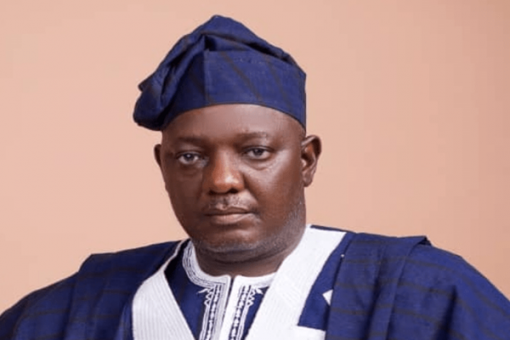
A prominent APC chieftain, Stephen Ajiya, described the development as a major breakthrough for the party in the capital territory. He emphasized that the emergence of Yamawo represents a unifying moment for the APC in Abuja.
End of Factional Disputes
According to Ajiya, the party had previously experienced internal division, which affected cohesion and coordination. He noted that:
- The APC in the FCT had operated with factional leadership structures
- Internal disagreements weakened political effectiveness
- The new consensus arrangement signals the end of that phase
This resolution is central to the broader FCT APC consensus chairman victory narrative.
Political Significance of the Outcome
Ajiya further explained that the outcome of the congress reflects improved internal stability. He suggested that the party is now better positioned to compete effectively in future elections, especially at the federal level.
Unity Drive and Stakeholder Involvement in FCT APC
The consensus process was supported by multiple political stakeholders who prioritized unity over competition. This collective effort played a central role in the transition to a single leadership structure.
Role of Key Political Actors
Stakeholders, including prominent figures within and outside the party structure in the FCT, were instrumental in achieving consensus. Their involvement focused on:
- Encouraging reconciliation among competing factions
- Supporting a unified leadership structure
- Promoting stability within the party organization
These efforts were considered essential to achieving the FCT APC consensus chairman victory without internal conflict.
Bridge-Building Expectations
The newly elected chairman is expected to serve as a bridge between various interests within the party. His leadership is anticipated to:
- Strengthen communication between party blocs
- Reduce internal disputes
- Enhance collaboration ahead of national elections
Implications for the 2027 Presidential Election
The emergence of a consensus leadership in the FCT APC is seen as strategically important for the party’s long-term electoral ambitions.
APC Strategy in the Federal Capital Territory
The FCT holds symbolic and political importance in national elections. Analysts suggest that:
- Strong party unity in Abuja can influence national perception
- Coordinated structures improve voter mobilization
- Internal stability enhances campaign effectiveness
The FCT APC consensus chairman victory is therefore viewed as part of a broader political strategy ahead of 2027.
Opposition Dynamics and Electoral Positioning
A unified APC in the FCT could also reshape the competitive landscape. Political observers note that:
- Opposition parties may face stronger coordination from APC structures
- Electoral contests in the capital may become more competitive
- Party loyalty and grassroots engagement will be crucial
Profile and Expectations for Tanko Ishaku Yamawo
Hon. Tanko Ishaku Yamawo is described as a seasoned political figure with experience in public service and party organization within the FCT.
Leadership Style and Political Experience
Yamawo’s emergence reflects confidence in his ability to manage internal party dynamics. He is expected to:
- Maintain neutrality across party factions
- Promote inclusive leadership practices
- Strengthen internal administrative systems
His selection reinforces the broader theme of FCT APC consensus chairman victory through unity-based leadership.
Grassroots Mobilisation Potential
Beyond internal leadership, Yamawo is also expected to play a key role in mobilizing grassroots support. His influence is seen as important for:
- Expanding party reach in local communities
- Enhancing voter engagement strategies
- Strengthening APC visibility in the FCT
Broader Impact on Internal Democracy in Political Parties
The consensus outcome in the FCT APC reflects a growing trend in Nigerian party politics where consensus-building is increasingly used to reduce internal conflict.
Key implications include:
- Reduced likelihood of post-election disputes
- Improved party cohesion and stability
- Enhanced trust in internal electoral processes
The FCT APC consensus chairman victory may therefore serve as a model for other party structures seeking unity ahead of elections.
FAQ
What does the FCT APC consensus chairman victory mean?
It refers to the peaceful emergence of a single agreed party chairman in the FCT APC through consensus rather than a contested election.
Why was a consensus approach used in the APC FCT congress?
The consensus approach was adopted to reduce internal factional disputes and promote unity ahead of the 2027 elections.
What role did INEC play in the FCT APC congress?
INEC monitored the congress to ensure transparency, credibility, and adherence to electoral guidelines.
How does the new FCT APC leadership affect the 2027 elections?
It strengthens party unity, improves coordination, and positions the APC for a more organized electoral strategy.
Conclusion
The emergence of Hon. Tanko Ishaku Yamawo as FCT APC chairman through a consensus process represents a notable shift toward unity and internal stability within the party. The FCT APC consensus chairman victory is widely viewed as a strategic development that could influence the party’s preparedness for the 2027 general elections. With improved cohesion and reduced internal conflict, the APC in the FCT is now positioned to focus more on mobilization, structure building, and electoral competitiveness.
Click here for more news