

 0
0
 0
0
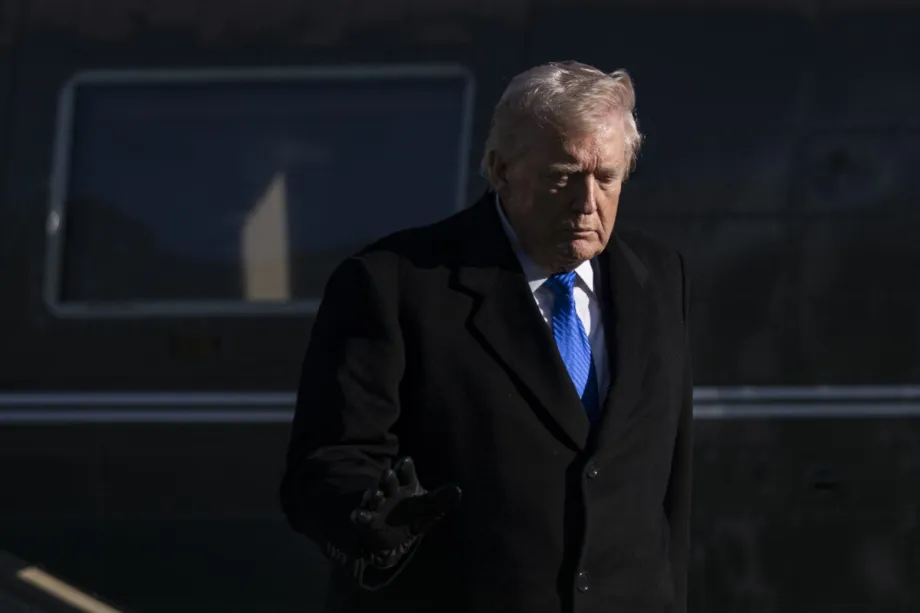
Trump Iran negotiators amnesty 2026 has emerged as a key step in maintaining ongoing diplomatic efforts with Tehran, according to the United States President. Speaking on April 5, 2026, President Trump indicated that granting amnesty to Iranian negotiators was essential to ensure negotiations continued amid escalating tensions in the region.
Granting Amnesty to Iranian Negotiators
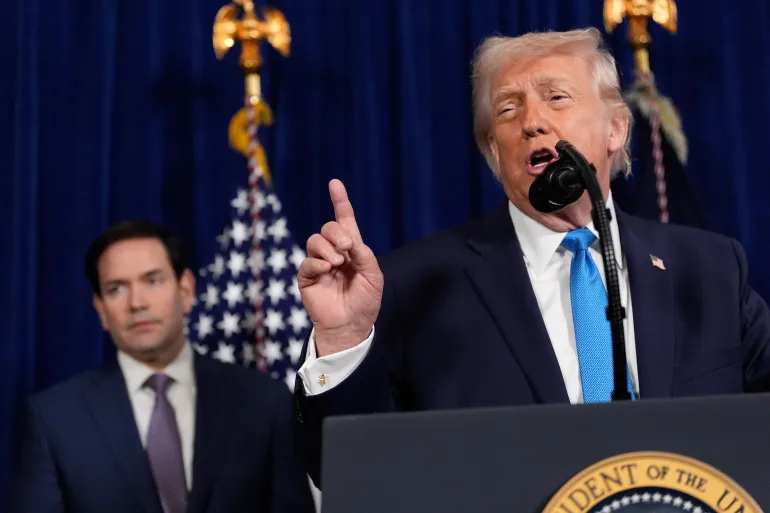
President Trump confirmed the decision during an interview with Fox News, emphasizing that the move was designed to prevent a breakdown in critical talks.
Details of the Amnesty
- The amnesty applies to negotiators involved in ongoing discussions with the US.
- It is intended to protect Iranian officials from retaliation or prosecution during the negotiation process.
- Trump described the measure as a way to “keep talks alive” while urging Iran to act swiftly.
Diplomatic Context
- US officials have been in contact with Iran’s Parliament Speaker Mohammad Bagher Qalibaf.
- No immediate response was issued by Tehran regarding Trump’s claims or the potential agreement.
- Analysts note that granting amnesty is an unusual step, reflecting the urgency of resolving the standoff.
Threats of Escalation
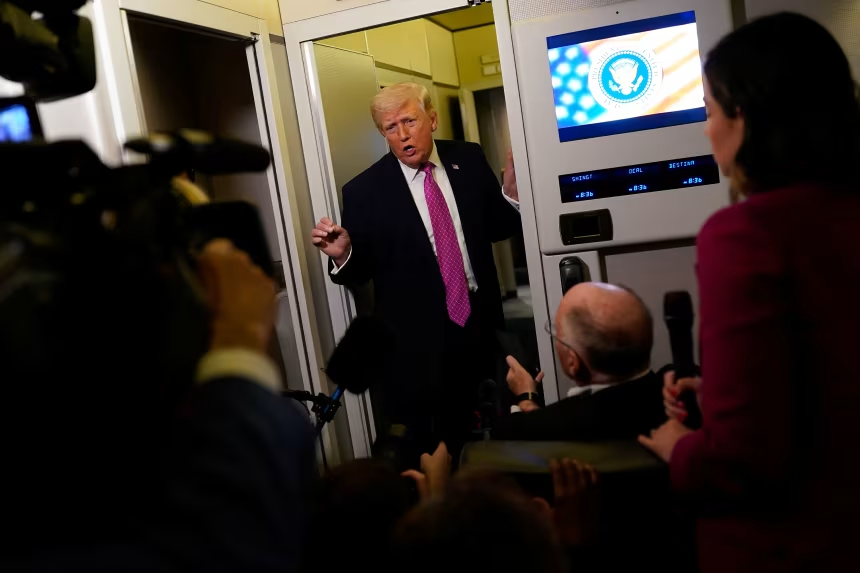
While announcing the amnesty, Trump also issued strong warnings to Iran if it failed to comply with US demands.
Potential Military Actions
- Trump mentioned considering “blowing everything up” and “taking over the oil” if Iran did not move quickly.
- He highlighted targeting infrastructure, including power plants and bridges, which he described on social media as “Power plant day, and bridge day, all wrapped up in one.”
- The Strait of Hormuz remains a strategic flashpoint, with Trump warning Iran to reopen it or “you’ll be living in hell — just watch!”
Regional Impact
- The US and Israel launched a joint offensive on Feb. 28, 2026, killing over 1,340 people, including Iran’s former Supreme Leader Ali Khamenei.
- Iran has retaliated with drone and missile strikes targeting Israel, Jordan, Iraq, and Gulf countries hosting US forces.
- Iranian restrictions on the Strait of Hormuz have impacted global oil transport, which previously carried around 20 million barrels daily.
Strategic Implications of the Amnesty
Experts suggest that Trump Iran negotiators amnesty 2026 may have multiple strategic purposes:
- Demonstrates US commitment to diplomacy while keeping military options open.
- Signals to Tehran that negotiation is the preferred path but non-compliance will trigger strong consequences.
- Provides leverage in ongoing discussions over oil, military presence, and regional security.
Risks and Challenges
- Escalation threats may increase tensions and risk miscalculations.
- Iran’s delayed or non-response to the amnesty could strain diplomatic channels.
- Regional allies and global markets may react cautiously due to potential disruptions in oil transport.
Historical and Political Context
The current negotiations follow months of heightened conflict in the Middle East.
- The US-Israel offensive in February 2026 marked one of the deadliest escalations against Iran in recent years.
- Iran’s retaliatory strikes have targeted multiple countries hosting US forces, signaling broader regional involvement.
- Trump’s amnesty move reflects a rare combination of diplomatic engagement alongside explicit military warnings.
Frequently Asked Questions
What is the Trump Iran negotiators amnesty 2026 about?
It refers to President Trump granting immunity to Iranian negotiators to keep ongoing talks alive and prevent retaliation during negotiations.
How has Iran responded to the amnesty?
As of April 5, 2026, Iran had not issued an official response to Trump’s announcement.
What threats did Trump issue alongside the amnesty?
Trump threatened to target Iranian infrastructure, including power plants and bridges, and warned about taking control of oil if Iran does not act quickly.
Why is the Strait of Hormuz significant in this context?
The Strait of Hormuz is a critical global oil route, previously transporting around 20 million barrels per day, and its closure or disruption can impact international oil markets.
Conclusion
Trump Iran negotiators amnesty 2026 represents a pivotal moment in US-Iran relations, combining diplomatic concessions with stern warnings. While the amnesty aims to keep negotiations alive, the broader context of military threats and regional instability underscores the fragile nature of ongoing talks. Effective diplomacy and careful management of escalation risks remain critical to preventing further conflict and ensuring global energy security.
PLEASE CLICK HERE FOR MORE NEWS


[…] Mossad Iran regime overthrow leak highlights the complexity of modern conflict, where intelligence, politics, […]
[…] Trump 25th Amendment Iran threats 2026 controversy highlights the intersection of domestic politics and international conflict. As […]