 0
0
 0
0
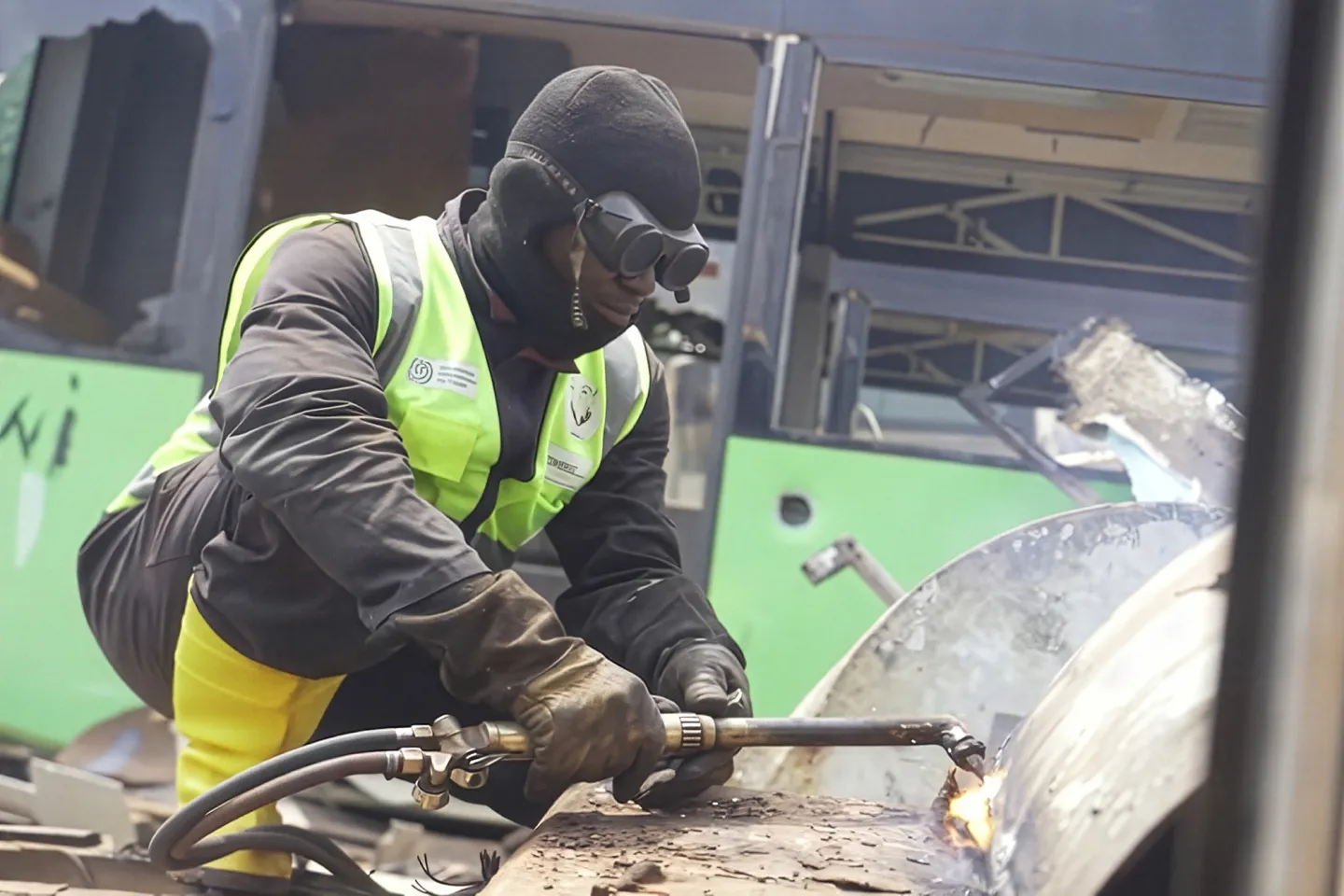
Cameroon scrap recycling jobs initiative is transforming how waste is managed while creating sustainable employment opportunities in Yaoundé. What was once an abandoned and hazardous urban site has now become a hub of economic activity, offering safer working conditions and steady income for more than 150 workers.
The initiative, supported by the International Labour Organization, highlights how structured waste management systems can deliver both environmental and social benefits.
Transforming Waste into Opportunity
Cameroon scrap recycling jobs initiative has already delivered measurable results, demonstrating the potential of formalising the waste sector. Key achievements include:
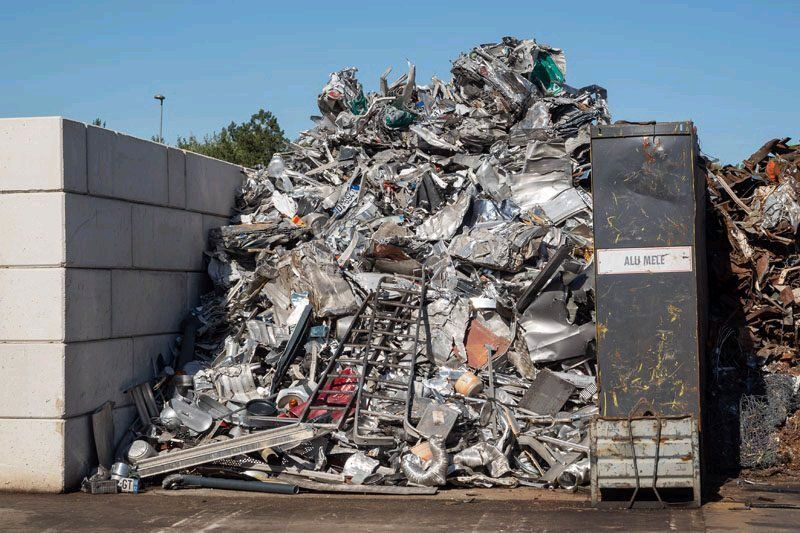
- Over 840 tonnes of scrap metal collected
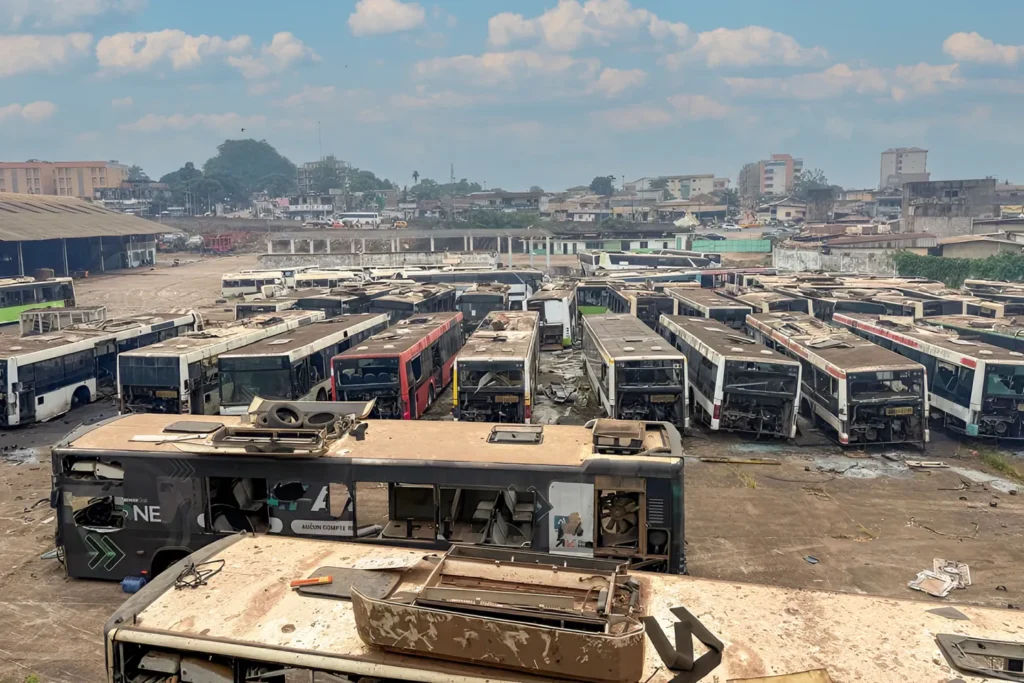
- Cleanup of a neglected urban site unused for more than a decade
- Improved working conditions for 150+ workers
Previously, the site was filled with disused vehicles and hazardous materials. Today, it serves as a structured recycling center where workers can operate more efficiently and safely.
From Informality to Structure
For years, the scrap metal sector in Cameroon operated largely informally. Workers lacked:
- Protective equipment
- Stable income
- Proper organization
Through this initiative, workers now benefit from structured operations, access to tools, and training that supports long-term employment stability.
Economic Impact on Workers
Cameroon scrap recycling jobs initiative has not only improved safety but also boosted income generation.
Dismantling End-of-Life Vehicles
A major milestone involved dismantling 75 end-of-life vehicles, including buses and minibuses. This effort:
- Mobilized multiple worker teams
- Generated nearly 30 million CFA francs
- Created short-term and ongoing employment opportunities
Improved Earnings and Stability
Workers report significant improvements in their livelihoods. With better organization and daily work opportunities, they can now earn consistently and support their families.
One worker explained that injuries were once frequent, leading to lost workdays. With protective gear and training, they can now work regularly without fear of harm.
Safer Working Conditions Through Training
A critical part of the Cameroon scrap recycling jobs initiative is its focus on occupational safety.
Introduction of Protective Equipment
Workers are now equipped with:
- Gloves and helmets
- Protective clothing
- Tools designed for safe dismantling
Awareness and Skills Development
Training programs have helped workers understand:
- Safe handling of scrap materials
- Proper dismantling techniques
- Workplace health standards
These improvements reduce injuries while increasing productivity, proving that safety and efficiency can go hand in hand.
Digital Transformation of the Waste Sector
Cameroon scrap recycling jobs initiative is also driving digital innovation in waste management.
National Waste Exchange Platform
A major reform introduced a digital system known as the National Waste Exchange, which ensures traceability across the entire waste value chain.
Key Features
- Unique identifiers for waste transactions
- QR code tracking for real-time monitoring
- Centralized recording of production, transport, and recycling
Benefits of Digitalisation
This system improves:
- Transparency in transactions
- Accountability among stakeholders
- Integration into the formal economy
By connecting producers, collectors, and recyclers, the platform strengthens the entire recycling ecosystem.
Environmental and Social Benefits
Cameroon scrap recycling jobs initiative demonstrates how environmental sustainability can align with economic development.
Environmental Cleanup
The removal of scrap materials has helped:
- Restore urban spaces
- Reduce pollution risks
- Promote recycling and reuse
Social Inclusion
The initiative supports:
- Job creation for vulnerable groups
- Safer and more dignified working conditions
- Greater recognition of waste workers
This reflects a broader shift toward a circular economy, where waste is treated as a valuable resource rather than a burden.
Broader Impact on Cameroon’s Economy
Cameroon scrap recycling jobs initiative is part of a larger transformation within the country’s waste management sector.
Strengthening the Value Chain
The initiative enhances coordination between:
- Waste producers
- Collection teams
- Recycling operators
Supporting Long-Term Growth
By formalising the sector, Cameroon is:
- Encouraging investment
- Creating stable jobs
- Promoting sustainable industrial practices
This approach aligns with global efforts to combine economic growth with environmental responsibility.
Key Takeaways
- Waste management can create sustainable jobs when properly structured.
- Formalisation improves safety, income, and worker dignity.
- Digital tools enhance transparency and efficiency in recycling systems.
- Environmental cleanup can drive economic and social progress.
FAQ Section
What is the Cameroon scrap recycling jobs initiative?
It is a program aimed at formalising the scrap metal sector to create jobs, improve safety, and promote environmental sustainability.
How many people have benefited from the initiative?
More than 150 workers have gained safer working conditions and improved income opportunities.
What role does technology play in the initiative?
A digital platform tracks waste transactions, improving transparency and efficiency across the sector.
Why is this initiative important for sustainability?
It supports recycling, reduces environmental waste, and promotes a circular economy while creating jobs.
Conclusion
Cameroon scrap recycling jobs initiative shows how targeted reforms can transform waste into opportunity. By combining formalisation, safety improvements, and digital innovation, the initiative is creating a more inclusive and sustainable economy. The progress seen in Yaoundé highlights the potential for similar models to be adopted across other regions, where waste management can serve as a pathway to both environmental protection and economic empowerment.
PLEASE CLICK HERE FOR MORE NEWS