 0
0
 0
0
Putin Middle East supply chain security 2026 has emerged as a major global concern after Vladimir Putin warned that ongoing conflict in the Middle East is reshaping how countries and businesses approach transportation and logistics.
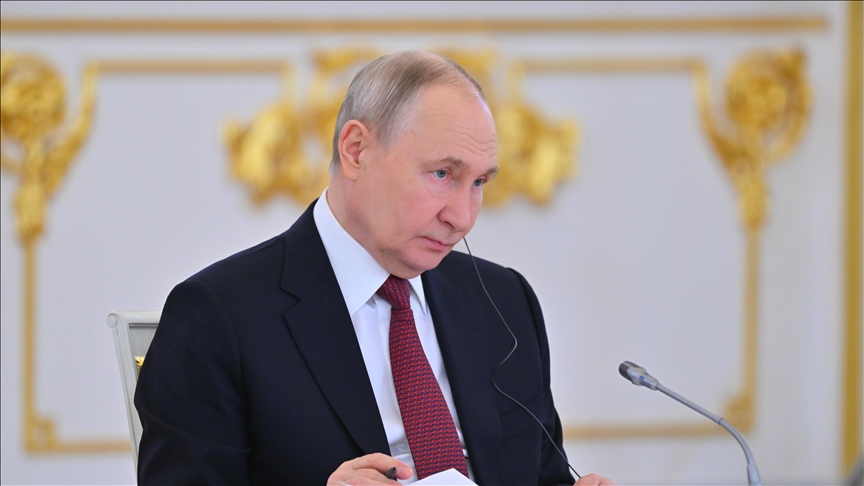
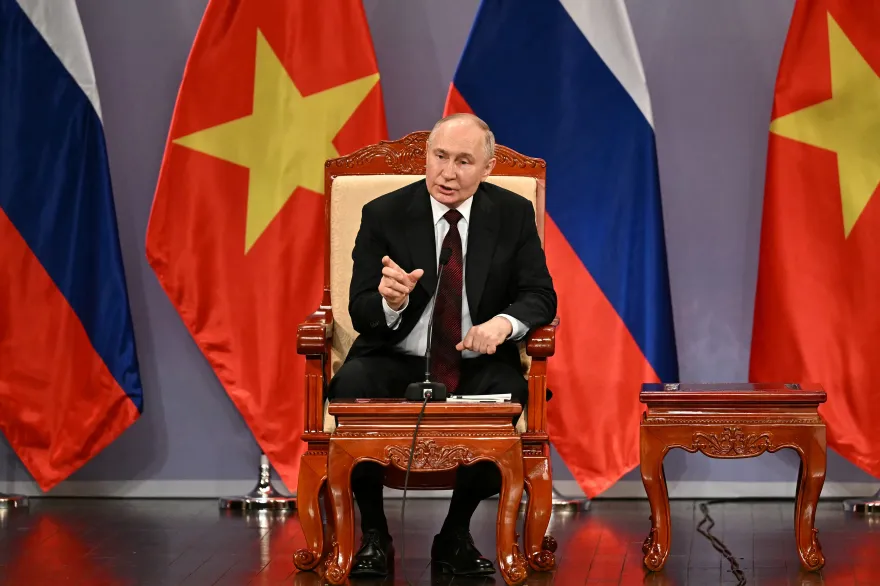
Speaking at the International Transport and Logistics Forum, Putin emphasized that security—not just cost or speed—is now becoming the defining factor in global supply chains. His remarks reflect growing anxiety over disruptions linked to geopolitical tensions involving the United States, Israel, and Iran.
Rising Importance of Supply Chain Security
The Putin Middle East supply chain security 2026 discussion highlights a shift in priorities for global transportation systems.
From Cost Efficiency to Security Focus
Traditionally, logistics decisions have been driven by:
- Cost-effectiveness
- Delivery speed
- Infrastructure efficiency
However, recent conflicts have forced governments and companies to reconsider these priorities.
New Core Considerations
According to Putin, key decision-making factors now include:
- Security of transport routes
- Exposure to geopolitical risks
- Reliability during crises
This shift marks a significant transformation in how global trade routes are evaluated.
Impact of Middle East Conflict
The Putin Middle East supply chain security 2026 concerns are closely tied to escalating tensions in the Middle East.
Strategic Importance of the Strait of Hormuz
A major focus is the Strait of Hormuz, one of the world’s most critical energy transit routes.
- A large percentage of global oil shipments passes through this narrow waterway
- Any disruption can impact global energy prices
- Military activity in the region raises risks for shipping
Putin noted that developments in Iran directly influence oil and gas transportation through this route.
Global Shift in Logistics Strategies
The Putin Middle East supply chain security 2026 perspective reflects a broader shift among countries and corporations.
Diversification of Transport Routes
To reduce risk, stakeholders are exploring alternative logistics options.
Key Strategies Emerging
- Development of new trade corridors
- Increased use of overland routes
- Investment in regional infrastructure
These approaches aim to minimize dependence on high-risk areas.
Emphasis on Resilient Supply Chains
Resilience is becoming a central concept in logistics planning.
What Resilience Means
- Ability to withstand disruptions
- Flexibility to adapt to changing conditions
- Reduced vulnerability to conflict zones
Companies are now prioritizing long-term stability over short-term gains.
Sustainability and Risk Reduction
Beyond security, the Putin Middle East supply chain security 2026 discussion also includes sustainability considerations.
Balancing Efficiency and Stability
Transport networks are increasingly evaluated based on:
- Environmental sustainability
- Operational continuity
- Risk exposure
This reflects a more holistic approach to global logistics.
Reduced Exposure to External Shocks
Putin highlighted the need for systems that are less affected by:
- Military conflicts
- Political instability
- Economic disruptions
Such measures are intended to ensure uninterrupted trade flows even during crises.
International Transport and Logistics Forum Overview
The Putin Middle East supply chain security 2026 remarks were delivered at a major international event.
Forum Details
The International Transport and Logistics Forum was held in St. Petersburg, bringing together global stakeholders.
Participation Statistics
- 73 high-level participants
- Representatives from 50 countries
- Involvement of 13 international organizations
- Around 50 scheduled events
The forum serves as a platform for discussing the future of transportation and logistics.
Key Topics Discussed
Participants are focusing on:
- Development of Eurasian transport networks
- Integration of logistics systems
- Adoption of new technologies
The event reflects growing international interest in addressing supply chain challenges.
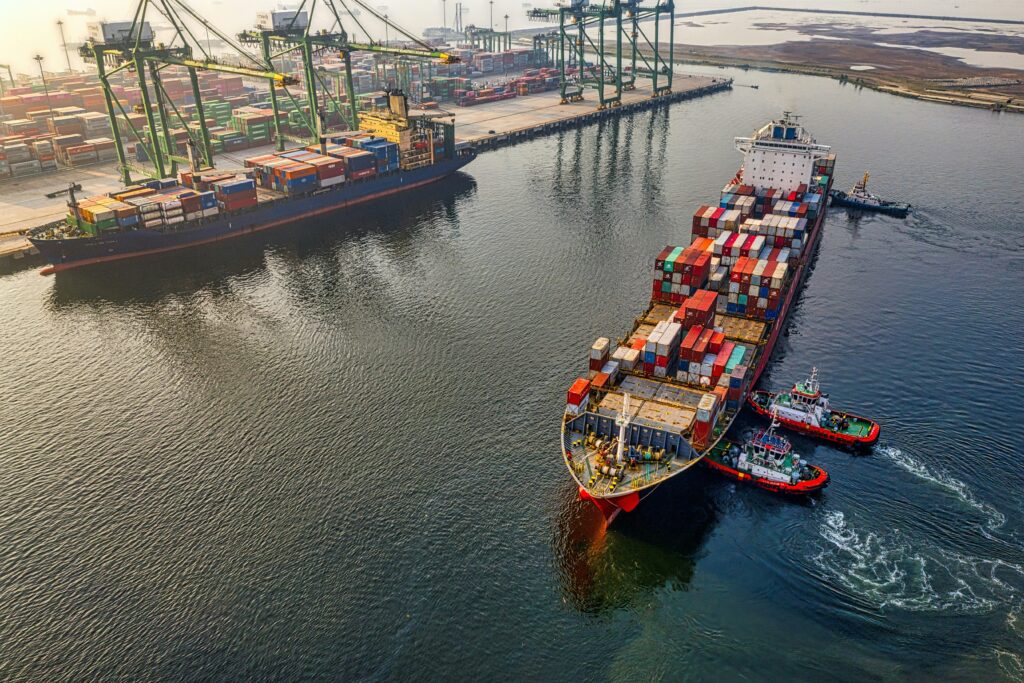
Broader Implications for Global Trade
The Putin Middle East supply chain security 2026 issue has far-reaching implications beyond the region.
Impact on Energy Markets
Disruptions in transport routes can lead to:
- Fluctuations in oil and gas prices
- Increased shipping costs
- Supply shortages in certain regions
Energy markets are particularly sensitive to instability in the Middle East.
Effects on Global Economy
Supply chain disruptions can influence:
- Manufacturing output
- Consumer prices
- International trade flows
As a result, governments and businesses are closely monitoring developments.
Geopolitical Context and Ongoing Conflict
The Putin Middle East supply chain security 2026 concerns are rooted in broader geopolitical tensions.
Key Players in the Conflict
The situation involves:
- The United States
- Israel
- Iran
Ongoing military actions and retaliatory measures have heightened uncertainty in the region.
Strategic Consequences
These tensions have:
- Increased risks for international shipping
- Raised concerns about global stability
- Accelerated changes in logistics planning
The situation continues to evolve, with potential implications for multiple sectors.
FAQ
What did Putin say about supply chain security in 2026?
He stated that security is now a key factor in global transportation decisions due to ongoing Middle East conflicts.
Why is the Strait of Hormuz important?
It is a major route for global oil shipments, making it critical for energy supply chains.
How are companies responding to supply chain risks?
They are diversifying routes, investing in resilience, and prioritizing security over cost and speed.
What is the International Transport and Logistics Forum?
It is a global event where leaders discuss transport development and logistics challenges.
Conclusion
The Putin Middle East supply chain security 2026 discussion underscores a significant shift in global transportation priorities. As geopolitical tensions continue to affect key trade routes, security and resilience are becoming central to logistics planning. The evolving situation highlights the need for adaptive strategies to ensure stability in an increasingly uncertain global environment.
PLEASE CLICK HERE FOR MORE NEWS