 0
0
 0
0
Lebanon peacekeepers roadside explosion 2026 has drawn global attention after multiple United Nations personnel were killed in separate incidents within just 24 hours in southern Lebanon, raising concerns about escalating instability in the region.
Deadly Explosion Kills Indonesian Peacekeepers
Two Indonesian peacekeepers lost their lives after a powerful roadside explosion struck their convoy near the town of Bani Hayyan in southern Lebanon. The blast destroyed their vehicle and left two other peacekeepers injured, one of them severely.
Initial Findings Point to Improvised Explosive Device
Early findings from investigators suggest that the Lebanon peacekeepers roadside explosion 2026 was likely caused by an improvised explosive device (IED). Officials indicated that the device detonated as the UN convoy passed through the area.
Extent of Damage and Injuries
The explosion had devastating consequences:
- Two peacekeepers killed instantly
- One peacekeeper critically injured
- Another sustaining moderate injuries
- Complete destruction of the UN vehicle
Authorities have confirmed that investigations are ongoing to determine the exact origin and perpetrators behind the attack.
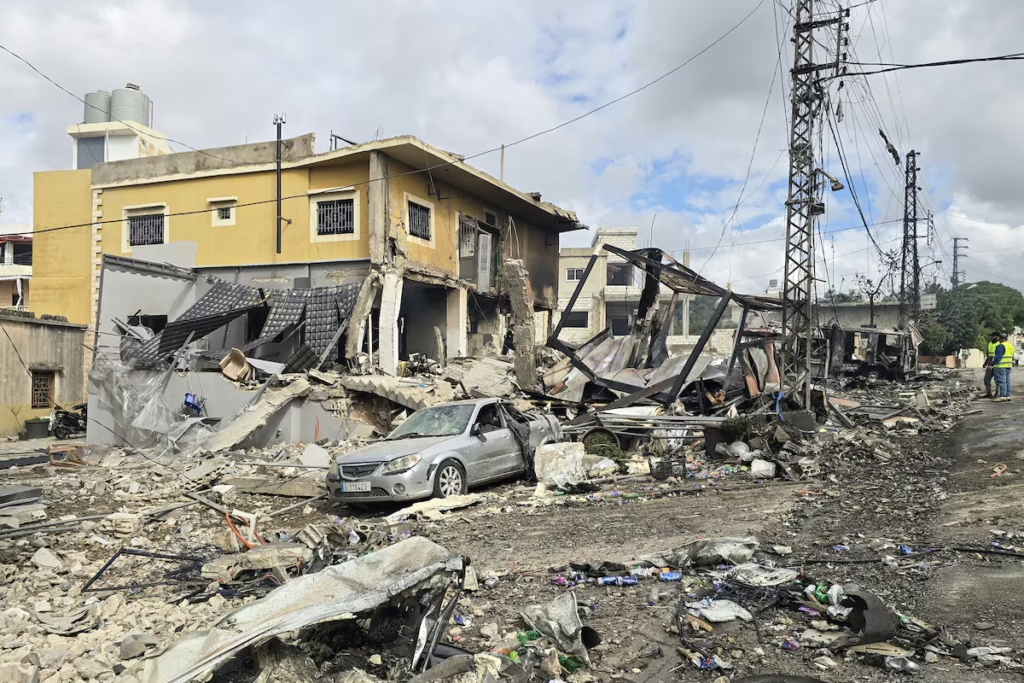
Second Fatal Incident Within 24 Hours
The Lebanon peacekeepers roadside explosion 2026 incident followed another deadly event just a day earlier, where a separate Indonesian peacekeeper was killed in southern Lebanon.
Projectile Blast in Adchit Al Qusayr
In the earlier incident:
- A projectile of unknown origin struck a UN position
- One peacekeeper was killed
- The explosion occurred in Adchit Al Qusayr
Officials believe the projectile may have landed directly within the peacekeeping position, although the exact source remains unclear.
Pattern of Escalation Raises Alarm
The occurrence of two fatal incidents within a short time frame has raised serious concerns among international observers. It highlights growing risks faced by peacekeeping forces operating in volatile environments.
Role of UN Peacekeeping Mission in Lebanon
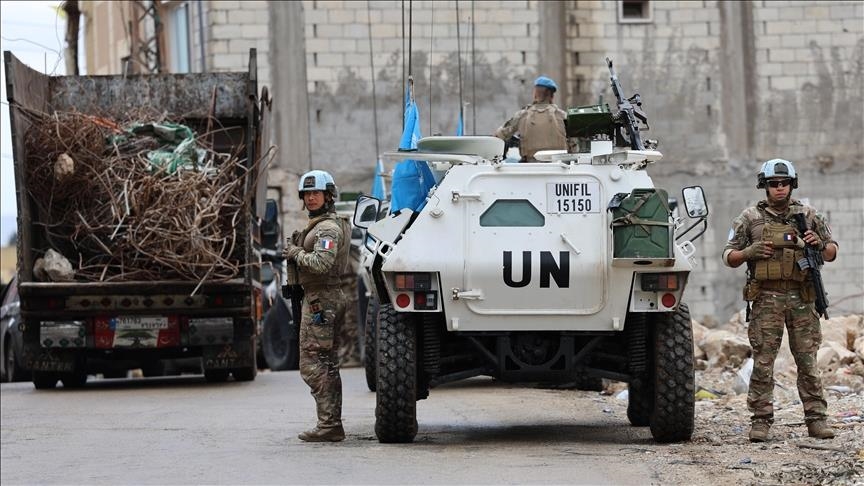
The peacekeepers involved in the Lebanon peacekeepers roadside explosion 2026 were part of the United Nations Interim Force in Lebanon (UNIFIL), a mission established to maintain stability along the Israel-Lebanon border.
Key Responsibilities of UNIFIL
UNIFIL plays a critical role in the region, including:
- Monitoring the “Blue Line” boundary between Lebanon and Israel
- Supporting the Lebanese armed forces
- Preventing escalation of hostilities
- Facilitating humanitarian access
Since its creation in 1978, the mission has served as a buffer between conflicting sides.
Casualties Over the Years
The mission has faced significant risks over decades:
- Over 300 peacekeepers have been killed since inception
- Increasing threats due to regional conflicts
- Continued exposure to armed confrontations
The Lebanon peacekeepers roadside explosion 2026 adds to this long history of sacrifice.
Rising Tensions in Southern Lebanon
The incidents come amid rising tensions in southern Lebanon, particularly involving clashes between Israel and Hezbollah.
Increased Military Activity
Recent developments include:
- Intensified air and ground operations in southern Lebanon
- Cross-border rocket exchanges
- Heightened military alert levels
These activities have created a more dangerous environment for both civilians and international peacekeepers.
Statements from Military Authorities
Israeli military officials have stated that their forces were not responsible for the roadside explosion. According to their internal review:
- No Israeli troops were present in the area
- No explosives were planted by their forces
- The incident occurred independently of their operations
These statements are part of ongoing efforts to clarify responsibility for the attack.
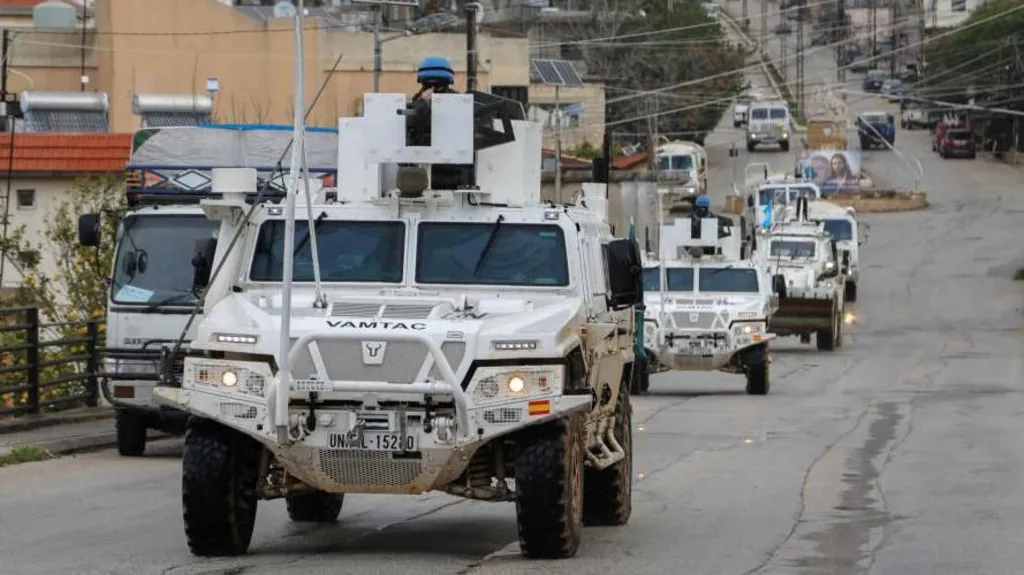
Impact of Ongoing Regional Conflict
The Lebanon peacekeepers roadside explosion 2026 is closely linked to broader geopolitical tensions affecting the Middle East.
Connection to Wider Conflict Dynamics
The region has seen escalating conflict influenced by:
- Ongoing hostilities involving Iran-backed groups
- Retaliatory strikes between armed factions
- Continued instability following earlier ceasefire agreements
Despite a ceasefire arrangement in late 2024, violations and renewed clashes have persisted.
Civilian and Military Casualties
The human cost of the conflict remains significant:
- Over 1,200 people reported killed in Lebanon since the ceasefire
- Civilians, including children, among the victims
- Military personnel on both sides also affected
These figures underscore the fragile nature of peace in the region.
Calls for Protection of Peacekeepers
Following the Lebanon peacekeepers roadside explosion 2026, global leaders and UN officials have emphasized the need to protect peacekeeping personnel.
Importance of International Responsibility
Peacekeepers operate under international mandates, and their safety is considered a shared responsibility. Officials have stressed that:
- Peacekeepers must not be targeted
- All parties should respect international law
- Mechanisms for dialogue must be utilized
Diplomatic Channels Encouraged
Authorities have urged both Lebanon and Israel to:
- Use established UN communication channels
- De-escalate tensions through diplomacy
- Ensure compliance with ceasefire agreements
These measures are seen as essential to preventing further violence.
Investigation Efforts Underway
Efforts to uncover the truth behind the Lebanon peacekeepers roadside explosion 2026 are ongoing.
Multi-Level Investigations
Several entities are involved in the probe:
- United Nations investigators
- Local Lebanese authorities
- Military and intelligence agencies
The goal is to determine:
- Who was responsible
- Whether the attack was targeted or accidental
- What measures can prevent future incidents
Challenges in Identifying Perpetrators
Investigating such incidents is complex due to:
- Multiple armed groups operating in the region
- Limited access to certain areas
- Ongoing hostilities that hinder evidence collection
Despite these challenges, authorities have pledged to pursue accountability.
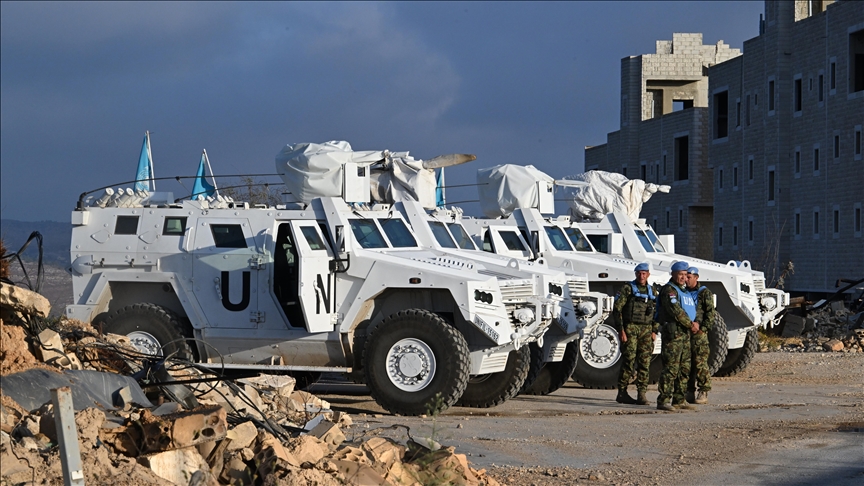
Broader Implications for Peacekeeping Missions
The Lebanon peacekeepers roadside explosion 2026 may have wider implications for global peacekeeping operations.
Increased Risks for International Forces
Peacekeeping missions worldwide face evolving threats, including:
- Improvised explosive devices
- Armed militia activities
- Unpredictable conflict zones
These risks necessitate stronger safety protocols and coordination.
Need for Enhanced Security Measures
Experts suggest improvements such as:
- Advanced surveillance technologies
- Better intelligence sharing
- Increased training for high-risk environments
Such measures could help reduce casualties and improve mission effectiveness.
FAQ
What caused the Lebanon peacekeepers roadside explosion 2026?
Initial investigations suggest the explosion was likely caused by an improvised explosive device, though the exact source is still under investigation.
How many peacekeepers were killed in the Lebanon incidents?
Three Indonesian peacekeepers were killed in two separate incidents within 24 hours.
What is UNIFIL’s role in Lebanon?
UNIFIL monitors the border between Lebanon and Israel, supports the Lebanese army, and helps maintain regional stability.
Why are tensions rising in southern Lebanon?
Tensions are linked to ongoing conflicts involving Israel, Hezbollah, and broader regional dynamics, including retaliatory military actions.
Conclusion
The Lebanon peacekeepers roadside explosion 2026 highlights the ongoing dangers faced by international forces operating in conflict zones. With multiple fatalities occurring in a short period, the incidents underscore the fragile security situation in southern Lebanon. As investigations continue, global attention remains focused on ensuring accountability, protecting peacekeepers, and preventing further escalation in an already volatile region.
PLEASE CLICK HERE FOR MORE NEWS