 0
0
 0
0
Senate Approves $6 Billion Loan Request
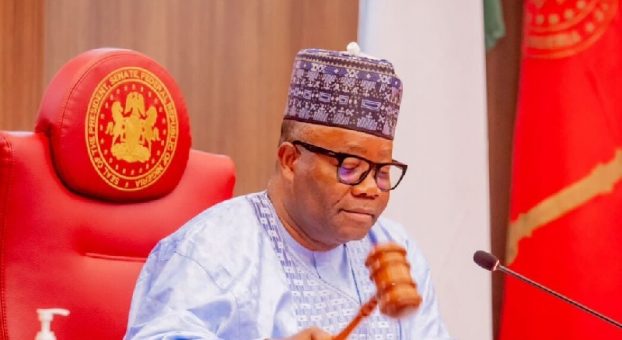
Tinubu $6 billion loan approval has been confirmed as the Nigerian Senate sanctioned President Bola Tinubu’s request for fresh external loans totaling $6 billion. The decision aims to plug fiscal gaps and support critical infrastructure development across the country.
The approval followed a report presented by Senator Aliyu Wamakko, Chairman of the Senate Committee on Local and Foreign Debts. The move comes just hours after the President formally requested legislative backing for the borrowing facilities.
Breakdown of the Loan Request
- $5 billion from Abu Dhabi Bank to support budget deficit financing and meet existing debt obligations.
- $1 billion from UK Export Finance via Citibank, London, to rehabilitate key port infrastructure, including Lagos Port Complex and Tin Can Island Port.
According to President Tinubu, these projects are designed to tackle operational inefficiencies, improve maritime safety standards, and enhance non-oil trade diversification, positioning Nigeria as a regional trade hub.
Legislative Process and Approval
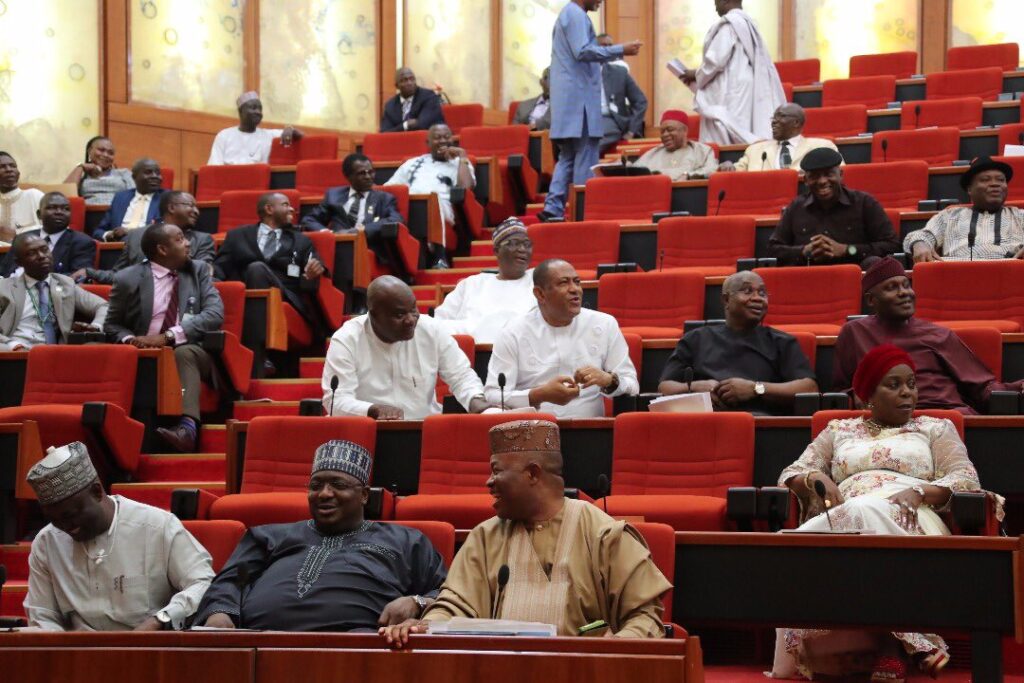
Following the reading of the loan requests in plenary, Senate President Godswill Akpabio referred the letters to the Senate Committee on Local and Foreign Debts, directing expedited consideration. The committee’s recommendation culminated in Tuesday’s approval, demonstrating swift legislative support for the executive’s infrastructure agenda.
Committee Insights
- The committee reviewed provisions of the 2025 Appropriation Act.
- The panel highlighted the total 2025 budget expenditure of N59.99tn, up N5.25tn from the initial N54.74tn proposed by the Executive.
- The figures underscore the widening fiscal gap and the government’s continued reliance on both domestic and external borrowing to fund critical projects.
Context: Previous Borrowing and Fiscal Strategy
This latest loan request aligns with the Federal Government’s ongoing strategy to bridge deficits and fund key infrastructure initiatives. Only four months ago, the National Assembly approved Tinubu’s plan to raise N1.15tn from domestic debt markets to cover the 2025 budget shortfall, completing the financing plan for the year.
Infrastructure Focus Areas
- Lagos Port Complex
- Tin Can Island Port
- Critical operational improvements to enhance efficiency and safety
- Support for non-oil trade diversification
- Strengthening Nigeria’s position as a regional trade hub
These projects are central to the administration’s effort to modernize ports, increase cargo handling capacity, and stimulate economic growth through improved logistics and trade infrastructure.
Economic Implications
While the approval of Tinubu $6 billion loan approval promises immediate support for fiscal and infrastructure challenges, experts note that external borrowing increases Nigeria’s debt servicing obligations. Managing these funds effectively will be crucial to ensure sustainable economic growth and avoid ballooning debt risks.
Fiscal Gap and Borrowing Reliance
- 2025 total expenditure: N59.99tn
- Budget deficit coverage through domestic and external loans
- Balancing debt with infrastructure development and economic stability
The approval demonstrates legislative backing for strategic borrowing aimed at bridging short-term fiscal gaps while prioritizing long-term infrastructure improvements.
Public and Political Reactions
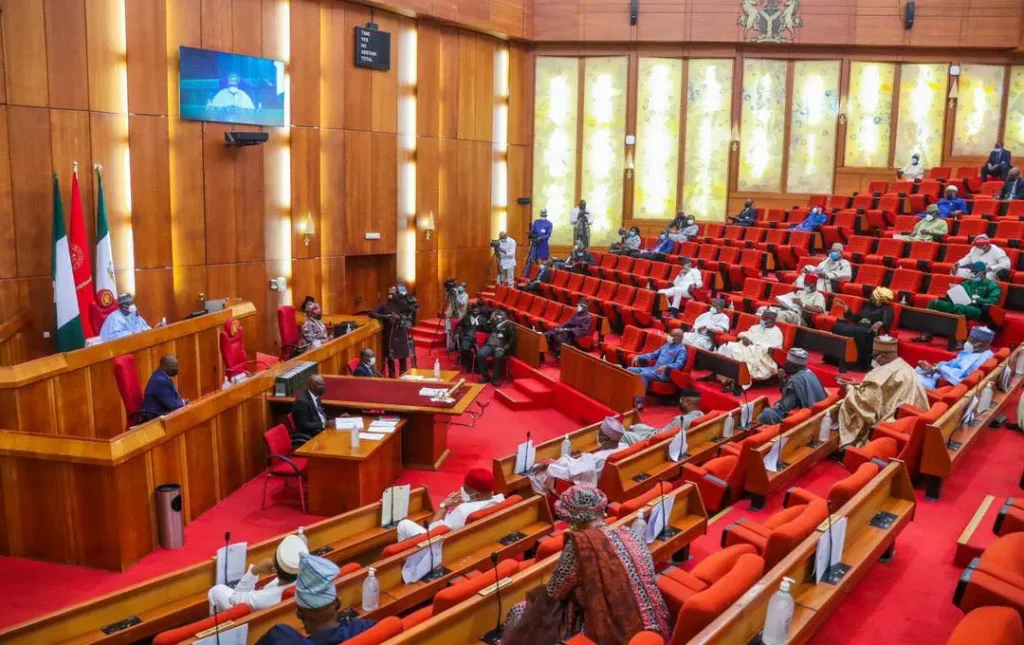
The Senate’s quick approval of the $6 billion borrowing request signals alignment between the Executive and Legislature on urgent financial and infrastructural priorities. It also reflects recognition of the critical need to maintain operational efficiency in Nigeria’s maritime and trade sectors.
Related Developments
- Reconstruction of roads and other transport infrastructure continues nationwide.
- Committees on local and foreign debts monitor debt sustainability and fund utilization.
- Continuous oversight ensures the loans are directed to high-impact projects benefiting national economic growth.
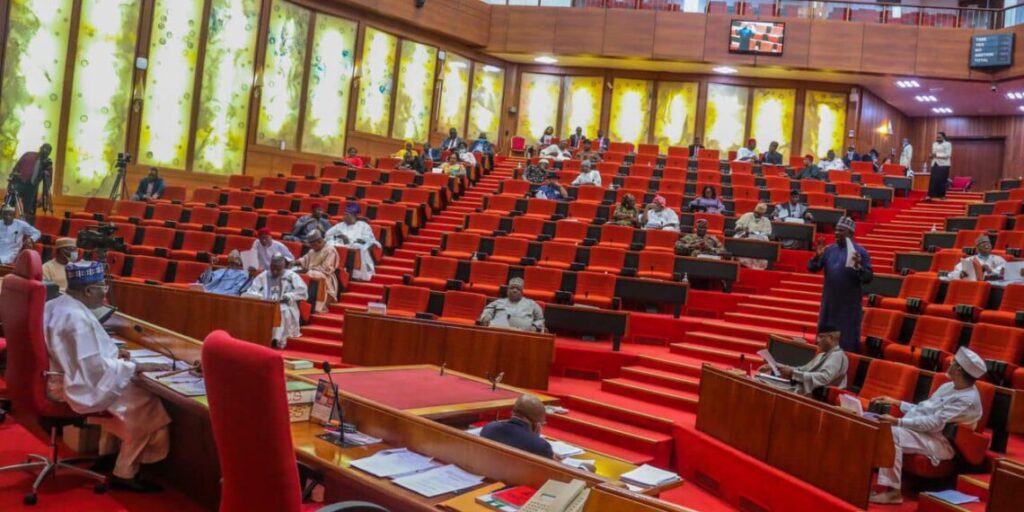
Nigerian Senate approves $6 billion loan for infrastructure projects
Monitoring and Accountability Measures
Senate oversight committees will continue to monitor the implementation of loan-funded projects. This includes periodic assessments of port rehabilitation, maritime safety enhancements, and trade facilitation initiatives to ensure the $6 billion loan achieves its intended objectives.
Expected Outcomes
- Modernized port infrastructure
- Improved maritime efficiency and safety
- Boost in non-oil trade activities
- Strengthened regional trade competitiveness
- Strategic debt management to maintain fiscal stability
Long-Term Implications
Tinubu $6 billion loan approval is a significant step in addressing Nigeria’s infrastructure deficit. If managed prudently, these funds can accelerate economic development, enhance trade capacity, and improve logistics. However, careful planning is essential to prevent unsustainable debt accumulation and ensure transparency in fund allocation.
FAQ
Q1: What is the Tinubu $6 billion loan approval for?
A1: The $6 billion loan is intended to finance Nigeria’s budget deficit, rehabilitate key port infrastructure, and support non-oil trade diversification.
Q2: Which banks are involved in the loan facilities?
A2: $5 billion will come from Abu Dhabi Bank, and $1 billion from UK Export Finance through Citibank in London.
Q3: How will the loan impact Nigeria’s debt profile?
A3: While the loan addresses fiscal gaps and infrastructure needs, it will increase Nigeria’s external debt obligations, requiring careful debt management.
Q4: Which infrastructure projects will benefit from the loan?
A4: The Lagos Port Complex, Tin Can Island Port, and related maritime and trade infrastructure projects will be the main beneficiaries.
Conclusion
The Senate’s approval of Tinubu $6 billion loan approval marks a decisive step in addressing Nigeria’s fiscal challenges and improving critical infrastructure. While the loans provide immediate financial relief and support for key projects, effective management, transparency, and oversight remain essential to ensure sustainable economic growth and long-term benefits for the country.
PLEASE CLICK HERE FOR MORE NEWS