 0
0
 0
0
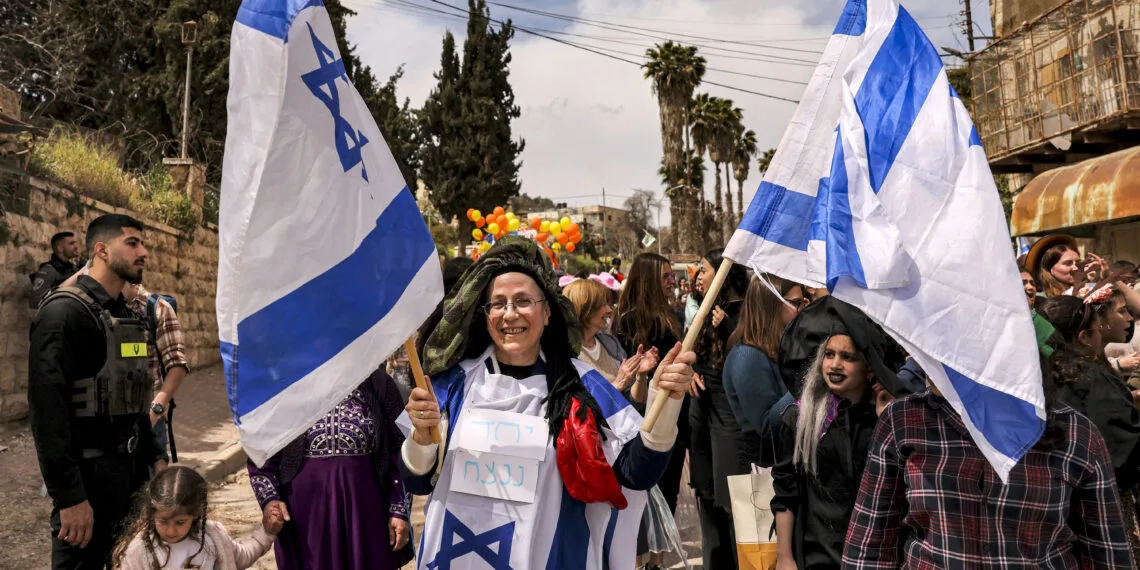
The EU sanctions Israeli settlers West Bank debate has intensified in 2026 as the European Union renewed calls for stronger action against individuals and groups linked to violence in the occupied Palestinian territories. The move comes amid escalating tensions and increasing reports of attacks on civilians in the region.
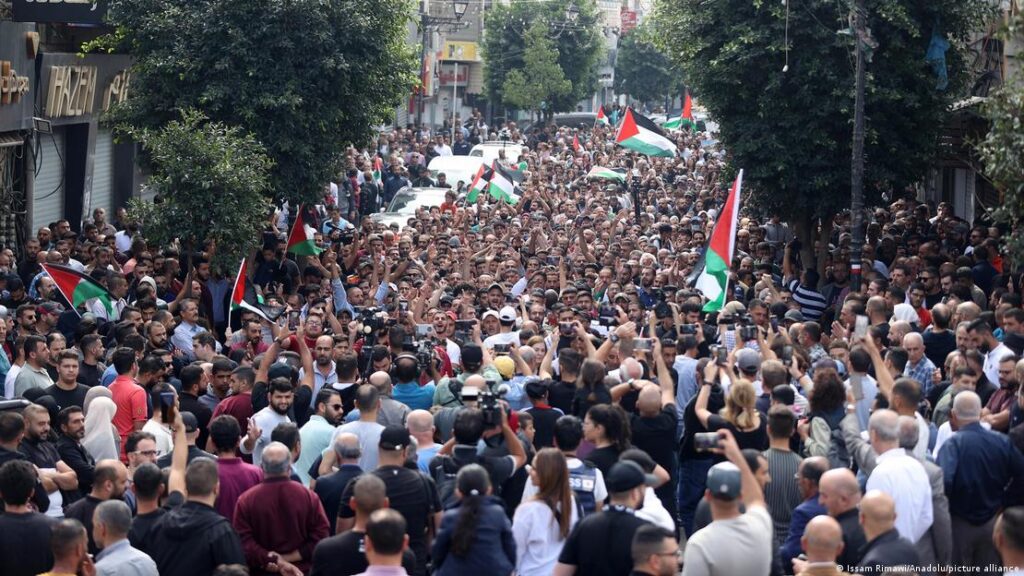
EU renews call for sanctions on Israeli settlers
The European Union has reiterated its position at the highest political level, emphasizing the need for further restrictive measures against Israeli settlers and organizations supporting violence in the West Bank.
Speaking on behalf of the bloc, Anouar El Anouni confirmed that EU leaders have already discussed the issue extensively, including at the European Council.
Strong condemnation of settlement expansion
EU officials strongly criticized what they described as unilateral actions aimed at expanding Israeli presence in the West Bank, including East Jerusalem. These actions, according to the bloc, are considered unlawful under international legal frameworks.
The EU also referenced the advisory opinion of the International Court of Justice, which has previously stated that such expansions violate international law.
Call for compliance with international law
The EU urged Israel to:
- Reverse expansion-related decisions
- Respect international legal obligations
- Ensure protection of Palestinian civilians
Officials stressed that adherence to international law remains a core expectation in addressing the ongoing crisis.
Rising violence in the West Bank
The renewed push for EU sanctions Israeli settlers West Bank measures comes amid a surge in violence across the region.
Increase in settler-related attacks
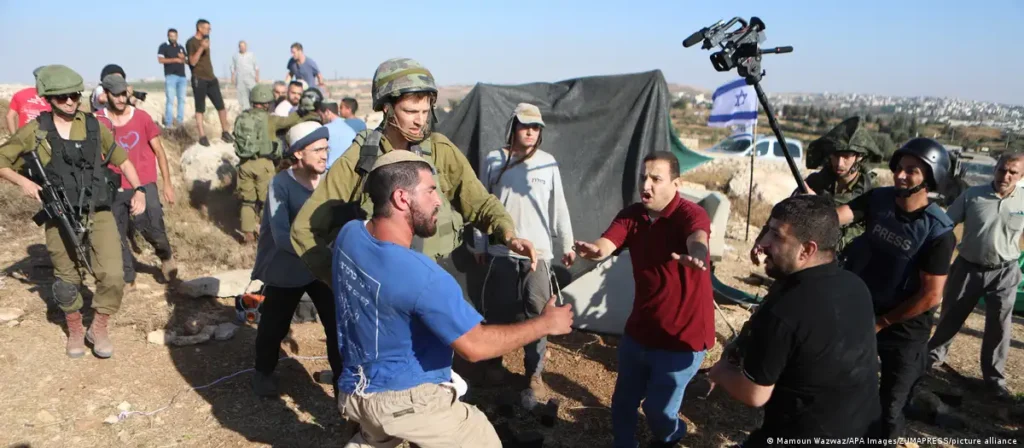
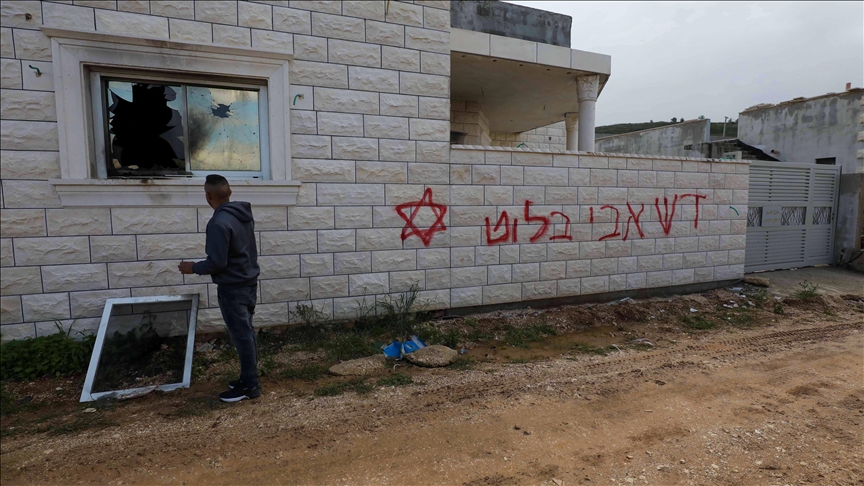
Reports indicate that attacks by settlers have increased significantly in recent weeks, with multiple incidents involving:
- Destruction of property
- Arson attacks on homes and vehicles
- Physical assaults on civilians
Human rights groups argue that these actions are contributing to displacement and instability in affected communities.
Civilian casualties and displacement concerns
According to local monitoring bodies, several Palestinians have been killed since late February, highlighting the severity of the situation. The broader impact includes:
- Forced displacement of families
- Increased humanitarian concerns
- Rising tensions between communities
These developments have intensified international scrutiny and calls for accountability.
EU internal divisions over sanctions
Despite strong support for sanctions, the EU faces internal challenges in implementing the measures.
Requirement for unanimous approval
Under EU rules, sanctions require full agreement among all member states. While most countries support the proposal, unanimity has not yet been achieved.
Out of the 27 member states, 26 have expressed support for further action, leaving the decision pending due to the lack of complete consensus.
Political complexity within the bloc
The situation reflects broader political complexities within the EU, where differing national interests can delay or block collective decisions.
This has raised questions about the bloc’s ability to respond swiftly to international crises.
Religious access restrictions in Jerusalem
In addition to the West Bank situation, concerns have also been raised about access to religious sites in Jerusalem.
Christian access concerns
Reports indicate that Christian leaders were prevented from accessing the Church of the Holy Sepulchre during Palm Sunday, an incident described by religious authorities as unprecedented in recent history.
This development has drawn criticism and added to concerns about religious freedoms in the region.
Restrictions at Al-Aqsa Mosque
Access limitations have also affected Muslim worshippers at the Al-Aqsa Mosque, one of Islam’s holiest sites.
Authorities have reportedly restricted Friday prayers for several consecutive weeks, citing security measures linked to ongoing regional tensions.
Broader geopolitical context
The EU sanctions Israeli settlers West Bank discussion is unfolding against a backdrop of wider regional instability.
Impact of ongoing regional conflict
Violence in the West Bank has escalated since the outbreak of war in Gaza in 2023, with effects spreading across multiple areas, including:
- Increased military activity
- Expansion of settlements
- Heightened security measures
These developments have contributed to a volatile environment that continues to evolve.
International pressure and diplomatic efforts
Global actors have increasingly called for:
- De-escalation of violence
- Protection of civilians
- Renewed diplomatic engagement
The EU’s position reflects a broader international concern about the trajectory of the conflict.
What happens next
The future of EU sanctions Israeli settlers West Bank measures depends largely on achieving full agreement among member states.
Key factors to watch
- Whether all 27 EU countries reach consensus
- Developments in West Bank security conditions
- International diplomatic responses
- Changes in regional political dynamics
The situation remains fluid, with further developments expected in the coming weeks.
FAQ
Why is the EU pushing for sanctions on Israeli settlers?
The EU is calling for sanctions due to rising violence and concerns over settlement expansion in the West Bank.
What is preventing the EU from imposing sanctions?
Sanctions require unanimous approval from all 27 EU member states, and one country has not yet agreed.
What role does international law play in this issue?
The EU cites international law and rulings from the International Court of Justice in opposing settlement expansion.
How has violence in the West Bank changed recently?
There has been an increase in attacks, property destruction, and civilian casualties, raising global concern.
Conclusion
The EU sanctions Israeli settlers West Bank debate highlights the growing urgency surrounding violence and political tensions in the region. While the majority of EU member states support stronger action, internal divisions continue to delay implementation. As the situation evolves, the balance between diplomatic pressure, legal considerations, and regional stability will remain central to international efforts.
PLEASE CLICK HERE FOR MORE NEWS