 0
0
 0
0
Africa solar costs China subsidy cuts 2026 are reshaping the continent’s renewable energy landscape, as China’s decision to end key export incentives begins to ripple through global markets. The move is expected to raise the cost of solar panels and battery storage systems, posing new challenges for African countries that depend heavily on imported technology.
China’s policy shift, which includes ending value-added tax rebates on solar panel exports from April 2026 and phasing out battery incentives over the coming years, signals a major turning point for the global solar industry.
Why China’s Policy Change Matters
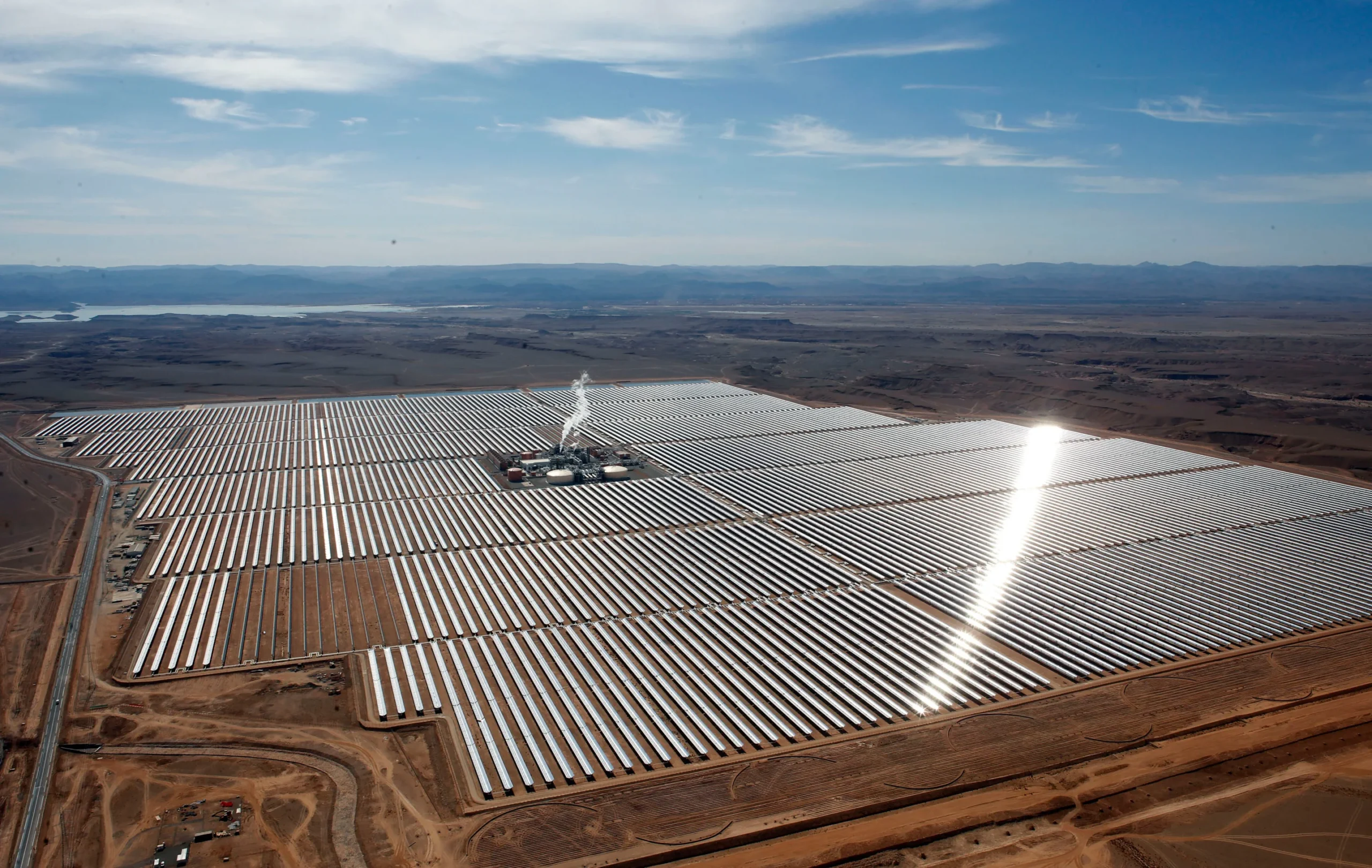
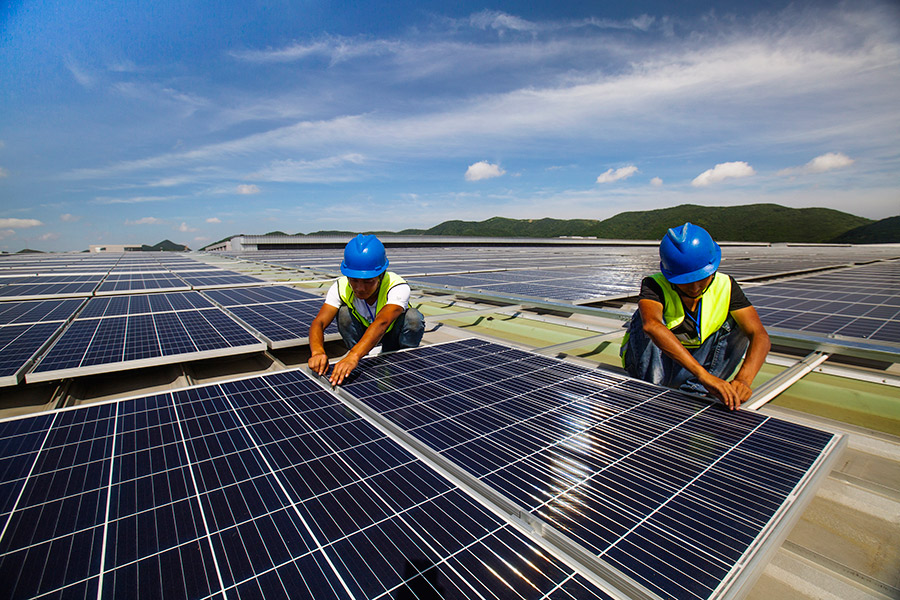
China has long been the dominant supplier of solar equipment to Africa and much of the world.
Key Policy Changes
- End of VAT rebates on solar panel exports starting April 2026
- Gradual removal of battery storage incentives through 2027
- Shift toward advanced technologies and reduced overcapacity
These measures are aimed at stabilizing China’s solar manufacturing sector after years of intense competition and falling prices. However, they are likely to have direct consequences for import-dependent regions like Africa.
Heavy Dependence on Chinese Solar Technology
Africa relies significantly on Chinese imports for its solar expansion.
Key Facts
- Majority of solar panels used in Africa are sourced from China
- Limited local manufacturing capacity across the continent
- High transport, logistics, and import costs already inflate prices
The Africa solar costs China subsidy cuts 2026 trend highlights the vulnerability of the continent’s energy sector to external policy decisions.
Expected Impact on Solar Panel Prices
Experts anticipate a gradual increase in solar equipment costs rather than a sudden spike.
Price Trends
- Solar module prices dropped from about $0.25 per watt in 2022 to $0.07 in 2025
- Removal of subsidies may set a higher global price floor
- Exporters may pass costs to buyers or reduce discounts
This shift could make solar installations slightly more expensive, particularly in regions already facing higher import costs.
Battery Storage Faces Greater Challenges
While solar panels remain relatively affordable, battery storage systems may see stronger cost pressures.
Why Batteries Matter
- Essential for storing energy for nighttime use
- Critical for off-grid and backup power systems
- Increasingly important for reliable electricity supply
The phase-out of incentives could slow adoption, especially among smaller users who are more sensitive to price increases.
Impact on Africa’s Energy Transition
The Africa solar costs China subsidy cuts 2026 development may affect the pace of renewable energy expansion across the continent.
Potential Effects
- Slight increase in project costs
- Possible delays in construction timelines
- Supply chain disruptions and shipping congestion
- Increased financial pressure on developers
Despite these challenges, solar energy is still expected to remain one of the most cost-effective power sources in Africa.
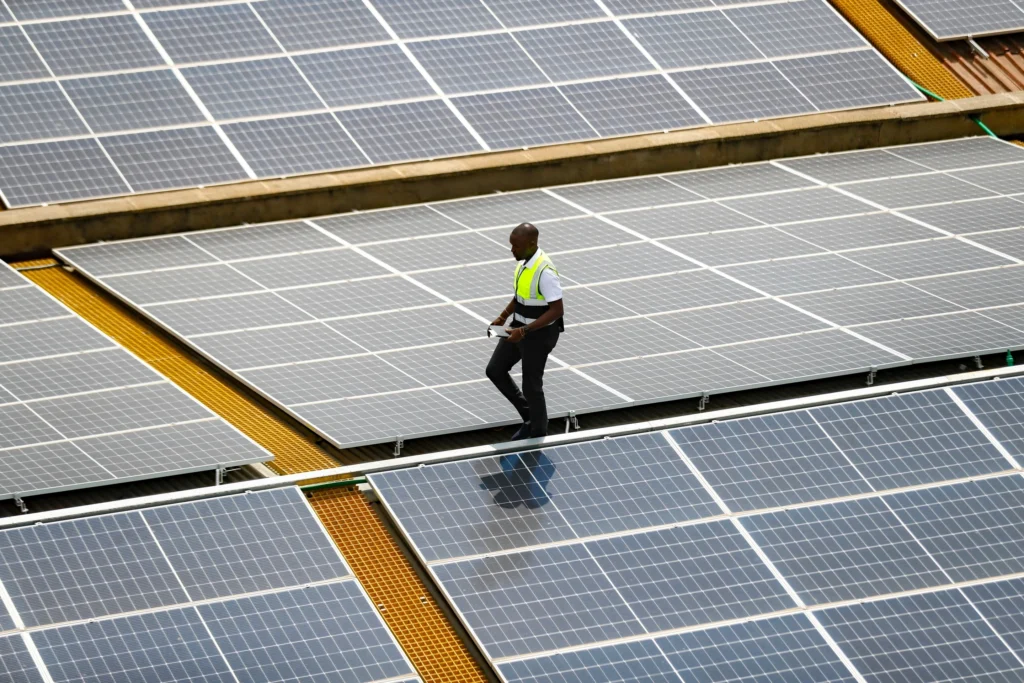
Solar Energy Remains Competitive
Even with rising costs, solar power continues to outperform many alternatives.
Comparative Advantage
- Cheaper than diesel and other fossil fuels
- Scalable for both urban and rural electrification
- Supports long-term sustainability goals
Analysts note that the Africa solar costs China subsidy cuts 2026 situation will not reverse the continent’s clean energy progress, but may slow its pace.
Opportunities for Local Manufacturing
The current situation is drawing attention to the need for stronger domestic production capabilities.
Strategic Opportunities
- Investment in local solar panel manufacturing
- Development of battery production facilities
- Reduction of reliance on imported technology
- Creation of jobs in renewable energy sectors
Countries that invest in local capacity could reduce exposure to global policy changes and strengthen their energy independence.
Global Context and Industry Shifts
China’s policy adjustment reflects broader changes in the global solar industry.
Key Developments
- Overcapacity and price wars among Chinese manufacturers
- Financial losses leading to policy tightening
- Transition toward higher-value technologies
These shifts are expected to reshape global supply chains and pricing structures for renewable energy equipment.
Long-Term Outlook for Africa’s Solar Market
The Africa solar costs China subsidy cuts 2026 trend points to a more stable but slightly higher-cost future for solar energy.
Outlook Highlights
- Gradual price increases rather than sharp spikes
- Continued growth in solar adoption
- Increased focus on energy storage solutions
- Greater emphasis on local production
While challenges remain, the long-term trajectory for solar energy in Africa remains positive, driven by strong demand and the need to close electricity access gaps.
FAQ Section
Q1: What is causing Africa solar costs China subsidy cuts 2026?
A1: China’s decision to end VAT rebates on solar exports and phase out battery incentives is increasing global solar equipment costs.
Q2: Will solar energy become too expensive in Africa?
A2: No, solar is still expected to remain cheaper than alternatives like diesel, though costs may rise slightly.
Q3: Why are batteries more affected than solar panels?
A3: Battery incentives are being phased out over time, and storage systems are already relatively expensive, making them more sensitive to cost increases.
Q4: Can Africa reduce reliance on Chinese solar imports?
A4: Yes, by investing in local manufacturing and production capacity, African countries can reduce dependency and improve resilience.
Conclusion
Africa solar costs China subsidy cuts 2026 highlight a critical shift in the global renewable energy market. While the removal of Chinese subsidies may increase costs and create short-term challenges, solar energy remains a vital and competitive solution for Africa’s growing energy needs. The situation also presents an opportunity for the continent to strengthen local manufacturing and build a more resilient, self-sufficient energy future.
PLEASE CLICK HERE FOR MORE NEWS