 0
0
 0
0
Trump reconsider US bases Spain Germany 2026 has emerged as a major geopolitical development after Donald Trump signaled support for reviewing American military presence in key NATO countries.
The remarks come amid growing tensions between the United States and several European allies over their refusal to participate in operations linked to the conflict with Iran.
Trump Supports Review of US Bases in Europe
Lawmakers Push for Reassessment
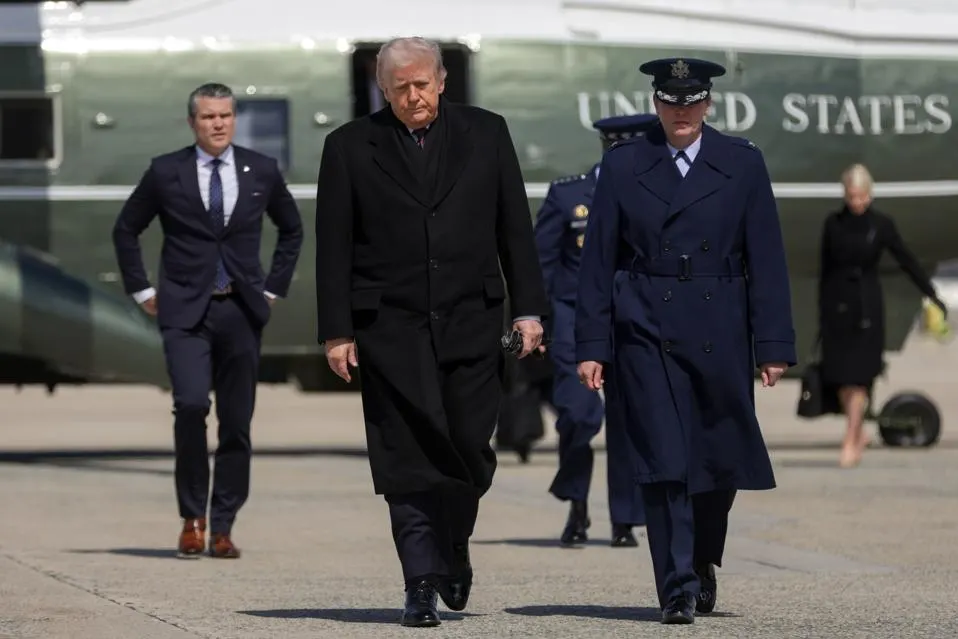
During a recent statement, Donald Trump backed calls from US lawmakers to reconsider military bases in Europe.
-
He said lawmakers are “right” to question current arrangements
-
Concerns focus on burden-sharing among NATO allies
-
The debate includes bases in Spain and Germany
Role of US Senator Lindsey Graham
The proposal has been linked to Lindsey Graham, who raised concerns about continued US military commitments in countries not supporting current operations.
-
Calls for reevaluating strategic partnerships
-
Focus on aligning military presence with allied cooperation
NATO Tensions Intensify
Criticism of NATO’s Response
Trump criticized NATO, claiming the alliance has not supported US efforts.
-
Accused NATO members of inaction
-
Highlighted dissatisfaction among US lawmakers
-
Suggested the alliance’s role has weakened
Disagreements Over Iran Conflict
The Trump reconsider US bases Spain Germany 2026 issue is closely tied to disagreements over the Iran conflict.
-
Several NATO countries declined involvement
-
Allies expressed concerns about escalation
-
Diverging strategies are becoming more visible
Spain and Germany Push Back
Spain Rejects Military Cooperation
Spain has refused to allow US use of its bases for strikes on Iran.
-
Described the strikes as “unjustified”
-
Opposed involvement in military operations
-
Emphasized diplomatic solutions
Germany Signals Reluctance
Germany has also distanced itself from the conflict.
-
Officials stated the war is “not our war”
-
Avoided direct military participation
-
Focused on maintaining regional stability
Strait of Hormuz Dispute
Strategic Importance of the Waterway
The Strait of Hormuz remains central to the dispute.
-
A key global oil shipping route
-
Vital for international energy supply
-
Security concerns have escalated
International Refusal to Participate
Following US calls for assistance:
-
Multiple countries declined involvement
-
Some argued the US acted without consultation
-
Responsibility for the conflict became a point of debate
Broader Global Implications
Shifting Alliances
The Trump reconsider US bases Spain Germany 2026 development highlights a shift in global alliances.
-
Traditional partnerships are under strain
-
Countries are reassessing their roles
-
Strategic independence is becoming more prominent
Military and Economic Impact
-
Potential changes to US military footprint in Europe
-
Increased uncertainty in global security arrangements
-
Possible effects on energy markets and trade routes
Key Takeaways
-
Trump reconsider US bases Spain Germany 2026 reflects rising tensions within NATO
-
Spain and Germany have declined involvement in Iran-related operations
-
The Strait of Hormuz remains a key geopolitical flashpoint
-
US lawmakers are pushing for reassessment of overseas bases
-
Global alliances are showing signs of strain and realignment
FAQs
Why is Trump reconsidering US bases in Europe?
He supports lawmakers who believe allies should contribute more to shared military efforts, especially in current conflicts.
Which countries are involved in this issue?
Spain and Germany are central, as both have declined participation in Iran-related operations.
What role does NATO play in this situation?
NATO is at the center of the dispute, with disagreements over collective response and burden-sharing.
How does the Strait of Hormuz factor into this?
It is a critical shipping route, and disputes over securing it have intensified tensions between the US and its allies.
Conclusion
The Trump reconsider US bases Spain Germany 2026 issue underscores growing divisions within NATO and broader global alliances. As countries balance national interests with international commitments, the future of military cooperation and strategic partnerships remains uncertain amid an increasingly complex geopolitical landscape.
PLEASE CLICK HERE FOR MORE NEWS