 0
0
 0
0
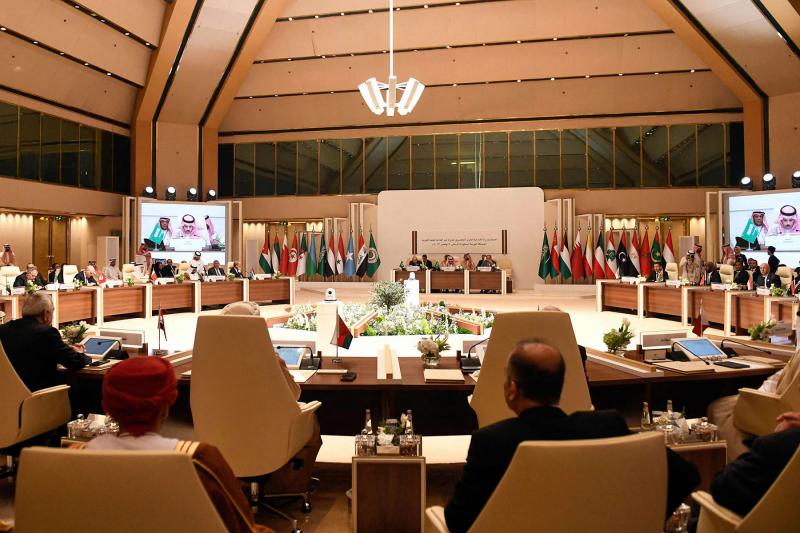
Arab Islamic talks Iran escalation 2026 has become a major focus for regional diplomacy as foreign ministers from multiple countries convene in Saudi Arabia to address rising tensions and security threats. The high-level discussions reflect growing concern over missile and drone attacks and their impact on regional and international stability.

High-Level Meeting in Riyadh
Key Participants
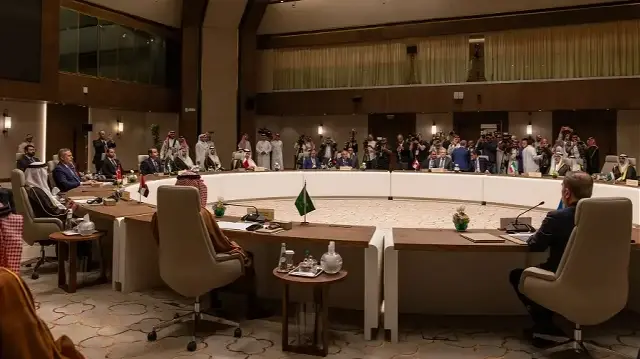
The consultative meeting took place in Riyadh, bringing together top diplomats from Arab and Islamic nations.
Among those involved were:
-
Hakan Fidan
-
Ishaq Dar
The discussions centered on the ongoing Iran escalation and its implications for regional peace.
Purpose of the Talks
The Arab Islamic talks Iran escalation 2026 meeting aimed to:
-
Strengthen diplomatic coordination
-
Address security challenges
-
Promote stability across affected regions
Officials emphasized the need for continued dialogue and joint efforts.
Focus on Regional Security Threats
Missile and Drone Attacks
Ministers strongly condemned recent missile and drone attacks targeting countries in the region. These actions were described as:
-
Violations of sovereignty
-
Breaches of international law
-
Threats to civilian and national security
Countries reportedly affected include:
-
Jordan
-
Turkey
-
Azerbaijan
The Arab Islamic talks Iran escalation 2026 discussions highlighted the urgency of addressing these threats.
Maritime Security Concerns
Security risks extend beyond land-based attacks. Officials also raised concerns about maritime safety, particularly in strategic waterways critical to global trade.
Bahrain and Jordan Bilateral Discussions
Separate Diplomatic Engagement
On the sidelines of the meeting, Abdullatif bin Rashid Al-Zayani held talks with Ayman Safadi.
Their discussions focused on:
-
Iranian attacks and regional implications
-
Enhancing bilateral cooperation
-
Strengthening coordination across sectors
Call for Immediate Action
Both ministers stressed the importance of halting attacks targeting Gulf Cooperation Council countries and Jordan.
They referenced UN Security Council Resolution 2817 as a framework for addressing these challenges.
Unified Position from Arab and Islamic Countries
Strong Condemnation
The consultative meeting issued a unified stance condemning the attacks. The statement described them as:
-
Unacceptable violations of sovereignty
-
Threats to regional peace
-
Actions undermining international norms
Emphasis on Cooperation
Participants highlighted the importance of:
-
Continued diplomatic engagement
-
Coordinated regional responses
-
Strengthening alliances among member states
The Arab Islamic talks Iran escalation 2026 reflects a growing push for collective action.
Broader Regional Implications
Rising Tensions
The escalation involving Iran has intensified geopolitical tensions across the Middle East and beyond.
Potential consequences include:
-
Increased military activity
-
Disruption of trade routes
-
Greater international involvement
Impact on Stability
Regional stability remains a key concern as countries work to prevent further escalation. The Arab Islamic talks Iran escalation 2026 demonstrates efforts to manage risks through diplomacy rather than conflict.
Key Takeaways
-
Arab Islamic talks Iran escalation 2026 brought together key foreign ministers in Riyadh
-
Discussions focused on missile attacks, security threats, and regional stability
-
Countries condemned violations of sovereignty and international law
-
Bahrain and Jordan held additional talks on cooperation and security
-
Diplomacy and coordination remain central to addressing the crisis
FAQ
Q1: What are the Arab Islamic talks Iran escalation 2026 about?
A1: They are diplomatic discussions among foreign ministers addressing rising tensions and security threats linked to Iran.
Q2: Where were the talks held?
A2: The talks took place in Riyadh, Saudi Arabia.
Q3: What issues were discussed?
A3: Missile and drone attacks, maritime security, and regional stability were key topics.
Q4: What actions were proposed?
A4: Ministers emphasized coordination, diplomacy, and adherence to international law to reduce tensions.
Conclusion
The Arab Islamic talks Iran escalation 2026 highlight the urgency of addressing rising geopolitical tensions through coordinated diplomatic efforts. As regional leaders seek to manage security threats and maintain stability, the outcome of these discussions will play a crucial role in shaping the future of the Middle East and surrounding regions.
PLEASE CLICK HERE FOR MORE NEWS