 0
0
 0
0
Extraterrestrial life remains one of the most debated and fascinating subjects in modern history. From reported UFO sightings to scientific missions searching distant planets, the question of whether humanity is alone in the universe continues to shape politics, science, and popular culture.
Recent announcements by United States officials about reviewing and releasing government files related to unidentified aerial phenomena have once again pushed extraterrestrial life into global headlines. While authorities maintain that no confirmed evidence of alien beings has been found, public curiosity continues to grow.
Government Files and UFO Investigations
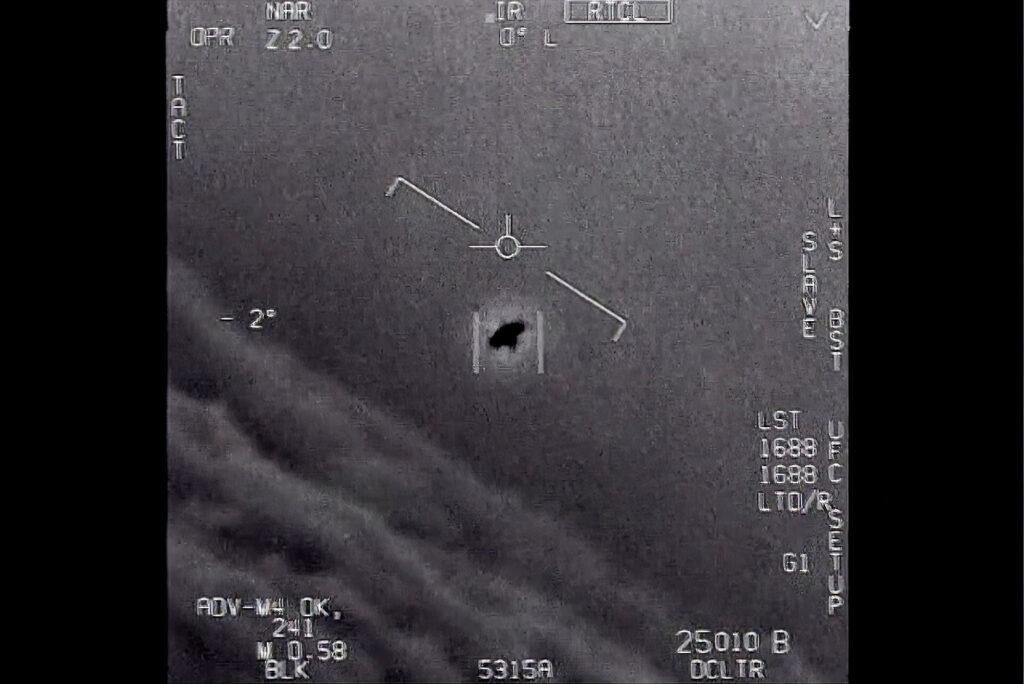
Interest in extraterrestrial life intensified after renewed commitments by US authorities to examine classified materials related to UFOs and unidentified anomalous phenomena. The Pentagon has repeatedly stated that investigations have not confirmed alien technology or non human intelligence.
Historically, Project Blue Book, which ran from 1947 to 1969, reviewed more than 12,000 UFO sightings. According to official conclusions, most cases were misidentified aircraft, weather balloons, or natural phenomena. A small percentage remained unexplained, but no evidence pointed directly to extraterrestrial life.
In recent years, the Department of Defense established the All domain Anomaly Resolution Office to track unidentified aerial phenomena for national security purposes. A 2024 historical review reported no verified proof of extraterrestrial life or recovered alien craft.
NASA also conducted an independent study in 2023, concluding that while some aerial incidents remain unexplained, there is no scientific confirmation of extraterrestrial life visiting Earth.
Famous UFO Sightings Linked to Extraterrestrial Life
Reports of strange objects in the sky date back centuries, but modern UFO stories surged in the twentieth century.
Roswell Incident
The 1947 Roswell incident in New Mexico remains one of the most cited events connected to extraterrestrial life. Initial military statements described debris as a flying disc, sparking speculation about a crashed alien spacecraft. Officials later clarified that the debris came from a classified weather balloon project. Despite official explanations, Roswell continues to attract attention through museums and annual festivals.
Betty and Barney Hill Abduction
In 1961, Betty and Barney Hill claimed they were abducted by humanoid beings who conducted medical examinations aboard a spacecraft. Their account significantly shaped public imagination about extraterrestrial life and alien encounters.
Rendlesham Forest and Phoenix Lights
In 1980, US Air Force personnel reported unusual lights and a metallic object in Rendlesham Forest in the United Kingdom. Witnesses described physical traces and radiation readings, though skeptics suggested alternative explanations.
The Phoenix Lights event in 1997 involved thousands of people in Arizona who observed V shaped lights hovering silently. Military officials attributed the lights to flares, yet many observers remained unconvinced.
Other cases, including sightings at a school in Zimbabwe and reports in Wales during the late 1970s, have further fueled speculation about extraterrestrial life.
What Science Says About Extraterrestrial Life
While UFO reports often dominate headlines, scientists approach extraterrestrial life through research and probability rather than eyewitness testimony.
The Drake Equation
In 1961, astronomer Frank Drake introduced the Drake Equation to estimate the number of communicative civilizations in the Milky Way galaxy. The formula considers star formation rates, habitable planets, and the likelihood of intelligent development. However, many variables remain unknown, meaning the estimated number of civilizations could range widely.
The Fermi Paradox
The Fermi Paradox asks a simple but powerful question. If extraterrestrial life is statistically likely in such a vast universe, why has humanity not detected clear evidence? Possible explanations include vast interstellar distances, technological limitations, or the possibility that advanced civilizations may no longer exist.
NASA and the Search for Life
NASA has confirmed the discovery of more than 5,000 exoplanets since the 1990s. Many orbit within habitable zones where liquid water could exist. The James Webb Space Telescope now studies distant planetary atmospheres, searching for biosignatures such as oxygen and methane.
Astrobiology missions are also examining Mars and icy moons like Europa and Enceladus for microbial life. While simple organisms remain plausible, intelligent extraterrestrial life has not been proven.
The Search for Extraterrestrial Intelligence Institute continues scanning space for radio signals that could indicate advanced civilizations. So far, no confirmed signals have been identified.
Alien Hotspots and Public Fascination
Certain locations have become associated with extraterrestrial life claims.
Area 51 in Nevada is a classified military base known for testing advanced aircraft. Although conspiracy theories link it to alien technology, the Central Intelligence Agency acknowledged its existence in 2013 and confirmed its primary role in aviation testing.
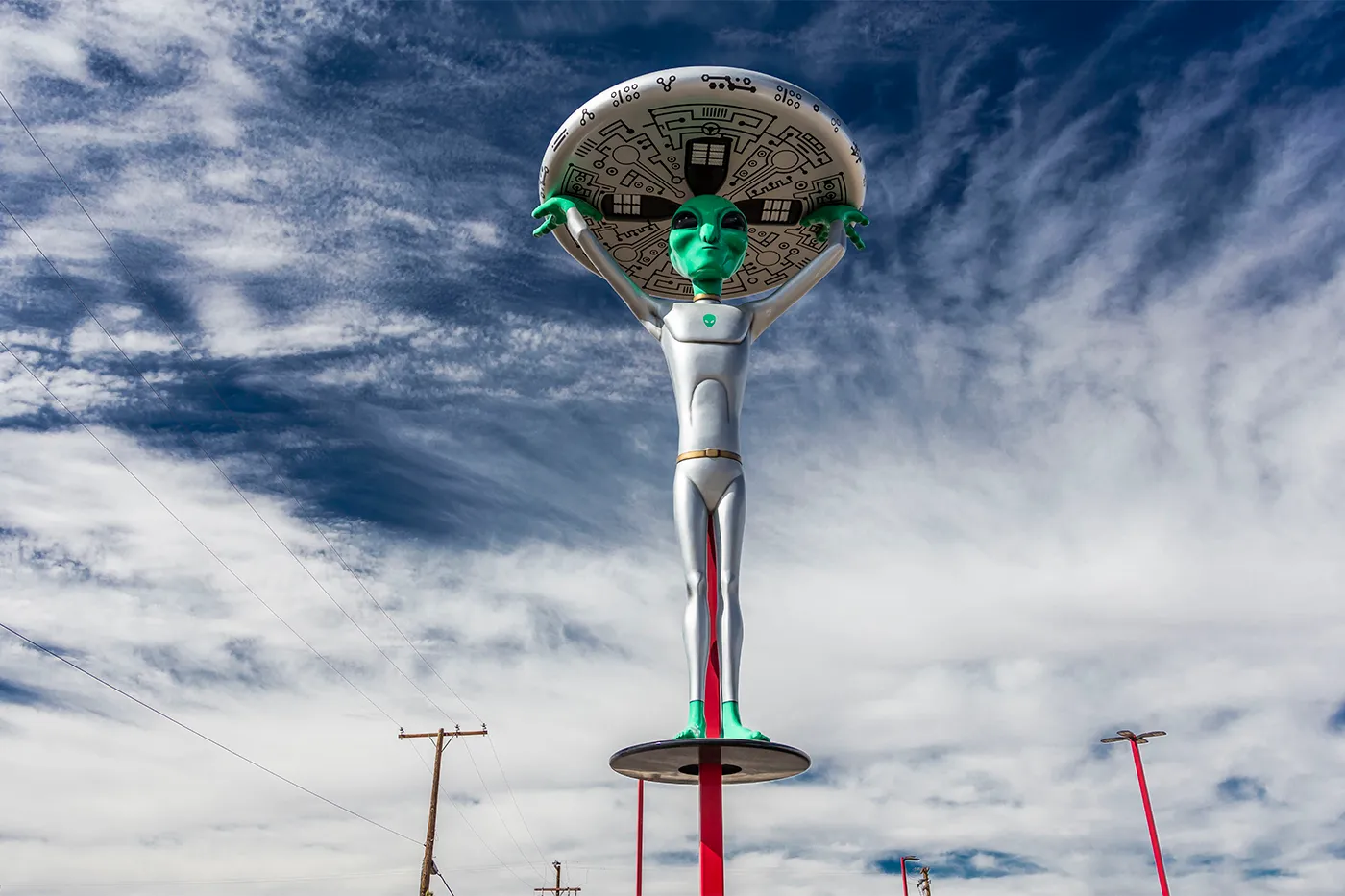
Roswell in New Mexico markets its historical connection to the 1947 crash event. Rendlesham Forest in Suffolk offers a walking trail referencing reported sightings. The Extraterrestrial Highway in Nevada has also gained popularity among UFO enthusiasts.
Extraterrestrial Life in Popular Culture
Extraterrestrial life has influenced literature, cinema, and television for decades. Early science fiction such as The War of the Worlds introduced alien invasion themes. Later franchises like Star Trek and Star Wars expanded the idea of interstellar civilizations.
Films such as Close Encounters of the Third Kind and ET the Extra Terrestrial portrayed aliens as curious and peaceful. Television series including The X Files popularized government conspiracy narratives related to extraterrestrial life.
These portrayals continue to shape how the public imagines alien encounters.
Conclusion
Extraterrestrial life remains unproven but scientifically possible. Government investigations have not confirmed alien technology or visiting civilizations. Scientific missions continue exploring distant planets and moons in search of microbial organisms.
Until verifiable evidence emerges, extraterrestrial life will remain one of humanity’s most compelling mysteries, bridging science, politics, and popular culture.
For more News, Please Visit Our Homepage