 0
0
 0
0
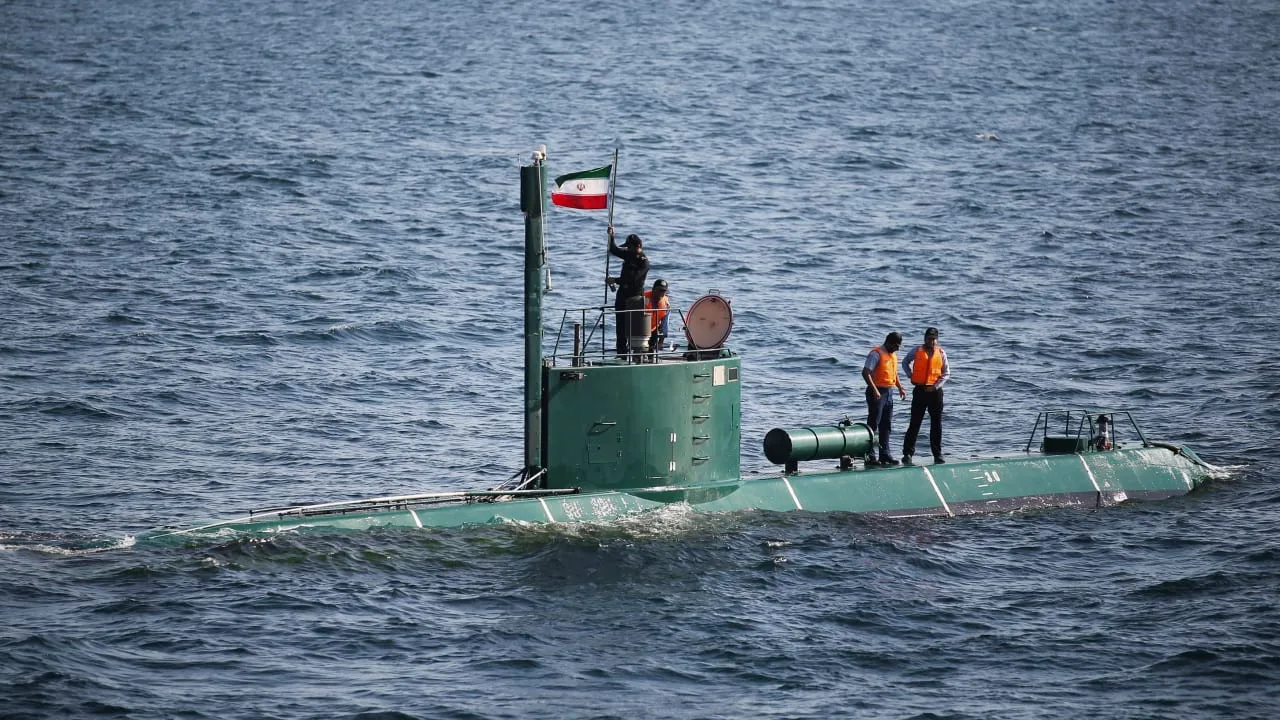
IRGC Navy maritime drill in Strait of Hormuz began on Monday in a move that has drawn significant international attention. The large scale naval exercise took place just one day before scheduled nuclear negotiations between Iran and the United States, increasing regional tension and global scrutiny.
According to the semi official Tasnim News Agency, the operation was conducted under the supervision of Major General Mohammad Pakpour, Commander in Chief of the Islamic Revolutionary Guard Corps. Iranian authorities described the IRGC Navy maritime drill in Strait of Hormuz as a combined live and targeted exercise designed to test operational readiness.
Smart Control of Hormuz Strait Exercise Explained
Iran named the operation Smart Control of Hormuz Strait. Officials stated that the IRGC Navy maritime drill in Strait of Hormuz focused on assessing the preparedness of naval units and reviewing maritime security scenarios.
The report indicated that the drill evaluated plans for reciprocal military responses to potential threats in the maritime domain. Iranian sources claimed the forces were ready to deliver a decisive response to what they described as anti security plots affecting strategic waters.
The Strait of Hormuz remains one of the most critical energy transit routes in the world. A substantial share of global oil exports passes through this narrow corridor, making any IRGC Navy maritime drill in Strait of Hormuz a matter of international concern.
Oversight by Senior IRGC Leadership
The IRGC Navy maritime drill in Strait of Hormuz was supervised by Major General Mohammad Pakpour. Iranian media stated that the exercise included live targeting components and coordinated naval maneuvers.
The Islamic Revolutionary Guard Corps Navy operates separately from Iran’s regular naval forces. It plays a key role in maritime security strategy within the Persian Gulf. By conducting the IRGC Navy maritime drill in Strait of Hormuz under high level supervision, Iran signaled the importance it places on naval preparedness.
While tactical specifics were not publicly disclosed, officials emphasized that the purpose of the IRGC Navy maritime drill in Strait of Hormuz was defensive readiness and operational evaluation.
Timing Before US Nuclear Talks Raises Stakes
The timing of the IRGC Navy maritime drill in Strait of Hormuz is significant. The exercise occurred just ahead of renewed nuclear discussions between Tehran and Washington. These talks are expected to address concerns over Iran’s nuclear activities, sanctions, and regional stability.
Iran has recently strengthened protection around key nuclear facilities following reported damage during United States strikes in June. Officials stated that infrastructure reinforcement efforts are ongoing.
Although Iranian authorities framed the IRGC Navy maritime drill in Strait of Hormuz as routine, its proximity to diplomatic negotiations has intensified attention from international observers.
Strategic Importance of the Strait of Hormuz
The Strait of Hormuz connects the Persian Gulf to the Gulf of Oman and the Arabian Sea. Because of its narrow passage and high traffic volume, it remains a strategic focal point for military and economic interests.
Historically, Iran has conducted multiple naval exercises in the region to demonstrate readiness and deterrence capability. Each IRGC Navy maritime drill in Strait of Hormuz tends to influence energy markets and geopolitical calculations.
No immediate confrontation was reported during this latest exercise. However, analysts note that the strategic message behind an IRGC Navy maritime drill in Strait of Hormuz often extends beyond routine training.
Global Implications and Market Sensitivity
Energy markets closely monitor military movements in the Strait of Hormuz. Any disruption or perceived risk can impact oil prices and shipping routes.
The IRGC Navy maritime drill in Strait of Hormuz underscores the fragile balance between military preparedness and diplomatic engagement. As nuclear talks resume, regional stability remains closely linked to both security developments and negotiation outcomes.
The United States has not yet issued an official statement regarding the exercise. Meanwhile, Iranian officials maintain that the IRGC Navy maritime drill in Strait of Hormuz was a precautionary measure to strengthen maritime defense capabilities.
Developing Situation
The IRGC Navy maritime drill in Strait of Hormuz highlights the ongoing complexity of Middle East security dynamics. With diplomatic discussions underway and military readiness on display, the situation continues to evolve.
Further updates are expected as nuclear negotiations proceed and additional details emerge regarding the scope and outcomes of the IRGC Navy maritime drill in Strait of Hormuz.
This remains a developing story.
For more news, visit our homepage