


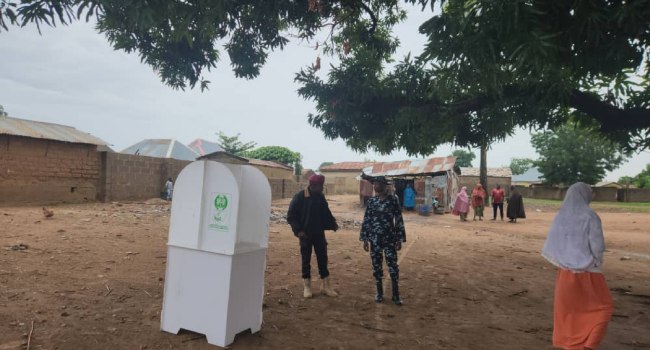
The Zuru State Assembly by-election turnout appeared low in several polling units on election day, as residents in parts of the town continued with their regular daily activities while voting commenced across the constituency.
Observations from multiple polling locations indicated that many businesses remained open during the early hours of voting. Shops, fuel stations, and other commercial centers operated normally, while election officials and voters gradually arrived at designated polling units.
The by-election is being closely monitored as stakeholders assess voter participation levels, election logistics, and the overall conduct of the exercise in the constituency.
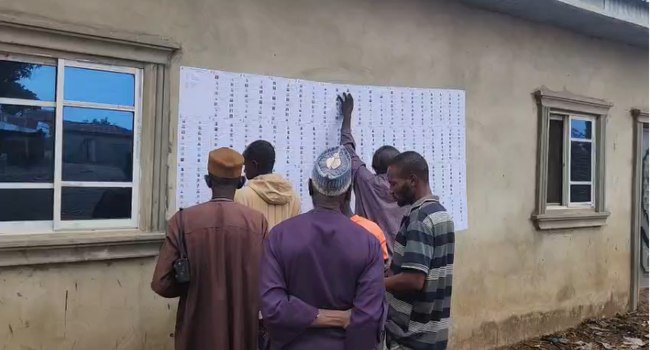

Voting Begins Amid Low Early Participation
Voting activities started in several polling units across Zuru, but turnout remained modest during the opening hours of the election.
Reports from polling centers showed only a small number of voters present in queues shortly after accreditation and voting procedures commenced. While electoral materials were available in some locations, voter attendance was lower than what is typically expected during major election exercises.
The early turnout figures raised questions about voter engagement and participation levels in the constituency.
Residents Continue Daily Activities
One of the notable observations during the election was the continuation of normal commercial activities throughout Zuru town.
Many residents were seen:
- Operating shops and market stalls
- Running transportation services
- Visiting fuel stations
- Conducting routine business transactions
The presence of ongoing commercial activities suggested that a significant portion of the population had not immediately prioritized visiting polling units during the early voting period.
Polling Units Open Gradually
Several polling centers opened for voting activities during the morning hours. Electoral personnel worked to organize voting procedures and ensure that election materials were properly distributed.
While some locations began operations as scheduled, others experienced delays linked to personnel movement and logistical coordination.
Election observers typically monitor such developments to determine whether they significantly affect voter participation and the overall electoral process.
Mango Waje Polling Unit Records Few Early Voters
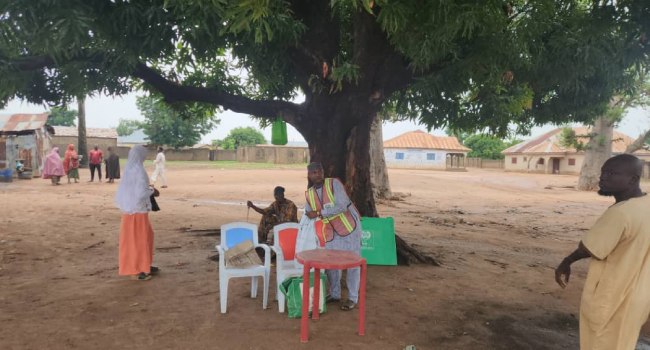
One of the polling locations observed during the election was the Mango Waje Polling Unit situated in the Manga area of Zuru town.
Voting reportedly commenced at approximately 9:14 a.m. at the polling center. At the time, only a limited number of voters were present in the queue awaiting accreditation and voting.
The situation reflected the broader pattern observed across parts of the constituency, where turnout remained relatively low during the early stages of the election.
Election Procedures at the Polling Unit
Officials at polling stations focused on standard election procedures, including:
- Verification of voter credentials
- Accreditation of eligible voters
- Distribution of ballot papers
- Monitoring of voting activities
- Documentation of election processes
These procedures are designed to ensure transparency and compliance with electoral regulations throughout the voting exercise.
Importance of Early Voter Participation
Political analysts often note that early voter turnout can influence the pace and atmosphere of an election day.
Higher participation rates during the morning hours may indicate strong voter interest, while lower numbers can sometimes reflect factors such as:
- Transportation challenges
- Weather conditions
- Voter apathy
- Scheduling preferences
- Confidence in electoral outcomes
However, turnout patterns can change significantly as the day progresses.
Delayed Arrival of Some Electoral Officials
Another issue observed during the election involved the arrival of some electoral personnel.
As of around 9:31 a.m., reports indicated that certain officials assigned to polling units had not yet arrived at their designated locations. Such delays can affect the timely commencement of voting activities and may contribute to slower voter participation during the early stages of an election.
The situation highlighted the importance of efficient election logistics and coordination.
Role of Election Officials
Electoral officers play a critical role in ensuring smooth voting operations. Their responsibilities generally include:
- Setting up polling units
- Managing election materials
- Supervising accreditation processes
- Guiding voters through procedures
- Maintaining election records
Any delays in deployment can potentially impact voting schedules and the voter experience.
Personnel Awaiting Further Instructions
Reports also indicated that some election personnel were awaiting additional instructions before proceeding to assigned polling units.
Such situations occasionally occur during election operations, especially when coordinators are working to resolve logistical or administrative issues before deployment.
Election management bodies often establish communication channels to address these challenges quickly and minimize disruptions.
Understanding the Significance of the By-Election
The Zuru State Assembly by-election turnout is being watched closely because by-elections play an important role in maintaining legislative representation.
A by-election is conducted when a legislative seat becomes vacant before the completion of a regular term. The process allows eligible voters within the affected constituency to elect a new representative.
Why By-Elections Matter
By-elections serve several important purposes:
- Filling vacant legislative seats
- Preserving democratic representation
- Allowing citizens to choose new representatives
- Maintaining the effectiveness of legislative institutions
Although turnout in by-elections is often lower than during general elections, the outcomes can still have significant political and administrative implications.
Factors That Influence Voter Turnout
Several factors may influence participation in local elections and by-elections.
These include:
- Public awareness of the election
- Voter mobilization efforts
- Security conditions
- Accessibility of polling centers
- Public interest in candidates and issues
- Confidence in electoral institutions
Election experts generally evaluate these factors when assessing turnout trends.
Electoral Logistics and Election Day Management
The smooth conduct of any election depends heavily on logistical planning and coordination.
Election management involves:
- Distribution of materials
- Deployment of personnel
- Communication between officials
- Monitoring and supervision
- Voter education initiatives
Challenges in any of these areas can affect how efficiently voting activities proceed on election day.
Monitoring and Observation Efforts
Election observers and media organizations typically monitor polling activities to document developments and provide updates to the public.
Their observations help identify:
- Voter turnout trends
- Operational challenges
- Compliance with election procedures
- Areas requiring administrative attention
Such monitoring contributes to transparency and accountability throughout the electoral process.
Early Indicators Do Not Determine Final Turnout
While the early Zuru State Assembly by-election turnout appeared low in some locations, voter participation patterns often evolve throughout the day.
In many elections, turnout increases during afternoon and evening periods as more residents complete work obligations and travel to polling units.
For this reason, election analysts generally avoid drawing final conclusions about participation levels until voting has concluded and official data becomes available.

FAQ
Why was the Zuru State Assembly by-election turnout considered low?
Early observations from several polling units showed relatively few voters present during the morning voting period. Many residents were also seen engaging in regular business activities instead of immediately visiting polling centers.
What happened at the Mango Waje Polling Unit during the election?
Voting reportedly commenced at about 9:14 a.m. at the Mango Waje Polling Unit in the Manga area of Zuru, with only a small number of voters present at the time.
Were there delays involving election officials in Zuru?
Yes. Reports indicated that some electoral officials had not arrived at their designated polling units by around 9:31 a.m., while others were reportedly awaiting further instructions before deployment.
What factors can affect voter turnout in a by-election?
Voter turnout can be influenced by public awareness, transportation access, voter interest, election logistics, security conditions, and confidence in the electoral process.
The early stages of the Zuru State Assembly by-election were marked by relatively low voter turnout in some polling units and reports of delayed deployment of certain election personnel. While these observations provided an initial picture of the election environment, final assessments of participation and electoral performance will depend on official turnout figures and the overall conduct of voting throughout the day.
Click here for more news


