
 0
0
 0
0
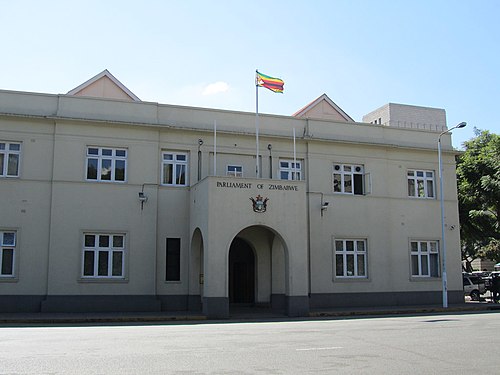
The Zimbabwe constitutional amendment 2026 has become a focal point of political debate. Britain has stated that amending the Zimbabwean Constitution is a sovereign, legislative matter for Zimbabwe to decide. Baroness Chapman of Darlington, Minister of State for Development, emphasized this in response to concerns raised by Lord Alton of Liverpool about reports of intimidation and harassment targeting those opposing the amendment.
Opposition Leaders Targeted Amid Controversy
Several opposition figures have reportedly been arrested or detained in connection with the amendment. These measures have sparked criticism and raised international attention. The proposed Amendment Bill No 3 includes provisions to extend the presidential term from five to seven years and changes the election method, allowing Members of Parliament to elect the president rather than the general public.
Arrests and Detentions
- Multiple opposition leaders detained for opposing the bill
- Concerns raised about political freedom and democratic participation
- Human rights groups monitoring the situation closely
Election Process Changes
- Presidential term extended from 5 to 7 years
- Members of Parliament gain the power to elect the president
British Embassy Monitoring Developments
Baroness Chapman confirmed that the British Embassy in Harare is closely following reports of harassment. Officials remain in contact with the Zimbabwean government, civil society groups, and other stakeholders to track developments.
Statements on Democratic Freedoms
- Freedom of expression, assembly, and association are essential in a functioning democracy
- Political parties, civil society, and journalists should operate without harassment
- Importance of transparent and lawful legislative processes emphasized
Divisions Within Zimbabwe
The constitutional amendment has split Zimbabwean public opinion. Supporters argue the changes are necessary for political stability, while critics accuse proponents of pursuing personal interests rather than the nation’s well-being.
Key Points of Debate
- Supporters: believe amendment ensures continuity and stability
- Opponents: claim amendment undermines democratic principles
- Calls for open political dialogue and protection of political space

International Perspective
Britain’s stance reinforces the idea that Zimbabwe must independently decide its constitutional framework while respecting democratic norms. International observers highlight the need for lawful processes and political inclusivity during any constitutional reform.
Global Observations
- Transparency and accountability crucial for legitimacy
- Ensuring citizens’ voices are heard is vital
- Monitoring political freedoms remains a priority for foreign stakeholders
Moving Forward
Zimbabwe faces a pivotal moment as Amendment Bill No 3 progresses. The debate underscores the tension between national sovereignty and the protection of democratic principles. Maintaining political dialogue, protecting opposition voices, and ensuring an inclusive legislative process are crucial for the country’s stability.
Recommendations for Stakeholders
- Maintain open communication between government and opposition
- Uphold freedoms of speech, assembly, and press
- Encourage civil society participation in constitutional reforms
FAQ
Q1: What is the Zimbabwe constitutional amendment 2026 about?
A1: The Zimbabwe constitutional amendment 2026 proposes extending the presidential term from 5 to 7 years and changing the election method to allow Members of Parliament to elect the president.
Q2: Why are opposition leaders being targeted in Zimbabwe?
A2: Some opposition leaders are reportedly being arrested or harassed for opposing the constitutional amendment, raising concerns about political freedoms and democratic norms.
Q3: What is Britain’s stance on the Zimbabwe constitutional amendment 2026?
A3: Britain emphasizes that amending the Zimbabwean Constitution is a sovereign matter for Zimbabwe, while advocating for freedom of expression, assembly, and transparent legislative processes.
Q4: How is public opinion divided on the amendment?
A4: Zimbabweans are split, with supporters seeing the amendment as a stability measure and critics accusing proponents of prioritizing personal interests over national welfare.
Conclusion
The Zimbabwe constitutional amendment 2026 marks a critical moment in the nation’s democratic journey. Balancing sovereign legislative authority with the protection of political freedoms is essential for ensuring legitimacy, transparency, and citizen engagement in shaping the country’s future.