 0
0
 0
0
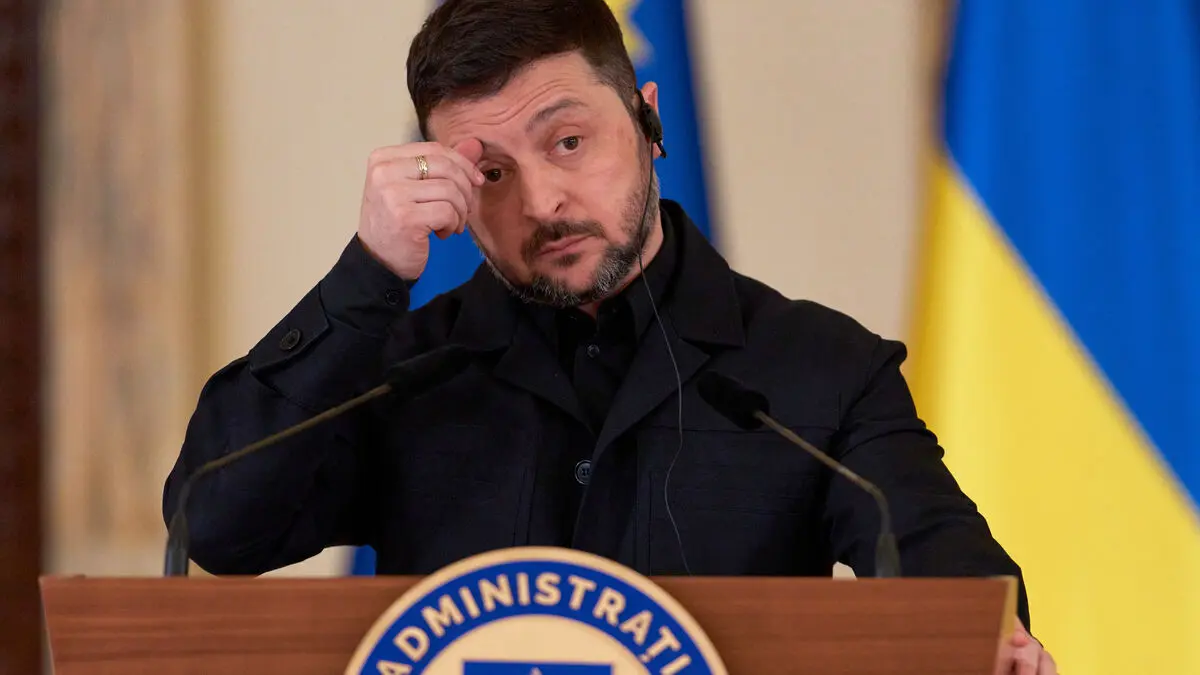
Zelenskyy harsh criticism EU 2026 has ignited controversy as Ukraine’s president openly expressed frustration toward European leaders, drawing widespread criticism from both supporters and opponents.

Background on Zelenskyy’s Leadership
Since assuming the presidency in 2019, Volodymyr Zelenskyy has been praised for his leadership during the ongoing conflict in Ukraine, balancing diplomacy and personal courage.
Early Praise and Public Perception
-
Known for firm rhetoric and decisive statements
-
Gained international attention for wartime leadership
-
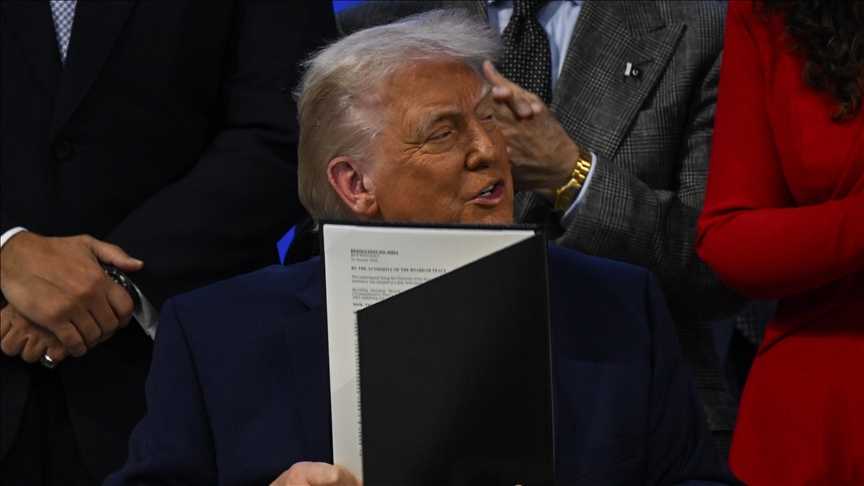
Maintained strong public support despite minor controversies, such as his casual attire during a White House meeting with former US President Donald Trump
Political Origins
Zelenskyy was previously a comedian and actor, gaining fame in the television series “Servant of the People,” where he played a school teacher unexpectedly elected president. Born in 1978 in Kryvyi Rih, he trained as a lawyer before transitioning into entertainment.
The Controversial Statements
Recently, in the context of Zelenskyy harsh criticism EU 2026, his tone has become more direct and critical, particularly toward European leaders providing financial aid to Ukraine.
Targeting European Support
At the World Economic Forum in Davos, Zelenskyy expressed dissatisfaction with European assistance. More notably, he referred to sending the Ukrainian army to confront “a certain person” blocking crucial aid.
-
This was interpreted as a reference to Hungarian Prime Minister Viktor Orbán
-
The remarks triggered immediate political backlash across the EU
European Reactions
-
Austria’s FPÖ politician Harald Vilimsky criticized Zelenskyy on X, calling the Ukrainian government corrupt
-
European Commission and EU Council President António Costa condemned the comments as inappropriate toward an EU leader
Domestic and Regional Consequences
-
Hungarian government leveraged Zelenskyy’s remarks for political advantage ahead of parliamentary elections
-
Analysts suggest the statements may provoke further tensions between Ukraine and EU member states
Reasons Behind the Harsh Rhetoric
Experts and insiders explain that Zelenskyy harsh criticism EU 2026 reflects mounting pressure to make territorial concessions in the ongoing war.
Frustration Over Peace Negotiations
-
Zelenskyy faces demands to relinquish land to achieve peace
-
His statements reflect a firm stance against compromising national interests
-
Officials believe that this clear and direct communication is a strategic move to assert Ukraine’s position
Expert Insights
-
Politico Europe quoted a former employee attributing the tone to rising frustration
-
Ukrainian MP Mykola Knyazhytsky stated the statements demonstrate a refusal to sacrifice sovereignty
Implications for EU-Ukraine Relations
The backlash has implications for diplomatic and financial relations:
Potential Diplomatic Tensions
-
Criticism from EU leaders could impact aid negotiations
-
EU member states may reassess communication and support strategies
Political Leverage
-
Hungarian government’s response shows how Zelenskyy’s statements can be used for internal political campaigns
-
Analysts warn that repeated provocations may complicate coordinated European support
Zelenskyy’s Personal Background
Understanding Zelenskyy’s background provides context for his leadership style:
-
Married to Olena since 2003, with two children born in 2004 and 2013
-
Transitioned from law to entertainment, gaining public trust through relatable media portrayal
-
Ascended to the presidency by defeating incumbent Petro Poroshenko in 2019
FAQ Section
Why is Zelenskyy facing criticism from the EU?
His direct and harsh remarks toward European leaders, especially regarding financial aid and political disagreements, have drawn backlash.
Who was targeted by Zelenskyy’s comments?
The president’s comments were mainly directed at Hungarian Prime Minister Viktor Orbán, who has been blocking key financial support to Ukraine.
What is driving Zelenskyy’s harsh rhetoric?
Increasing pressure to make territorial concessions and frustration over stalled aid are motivating his more direct communication style.
How might this affect EU-Ukraine relations?
While aid is unlikely to stop entirely, tensions and diplomatic friction may rise, affecting negotiations and regional cooperation.
Conclusion
Zelenskyy harsh criticism EU 2026 reflects the mounting pressures of leading Ukraine through a prolonged conflict. His direct approach signals unwavering commitment to national sovereignty but carries risks for diplomatic relations with the European Union. The coming months will reveal how both Kyiv and EU member states navigate these tensions while continuing support for Ukraine.
PLEASE CLICK HERE FOR MORE NEWS