


The Xi Trump Beijing summit meeting is shaping global attention as both leaders prepare for discussions that could influence trade, technology, and geopolitical stability between the world’s two largest economies. Rather than producing a sweeping agreement, expectations point toward limited, practical outcomes designed to prevent further escalation in tensions.
The Xi Trump Beijing summit meeting comes at a time when both Washington and Beijing are navigating domestic economic pressures and international uncertainty. Analysts suggest that both sides are more focused on managing risks than resolving long-standing structural disagreements.
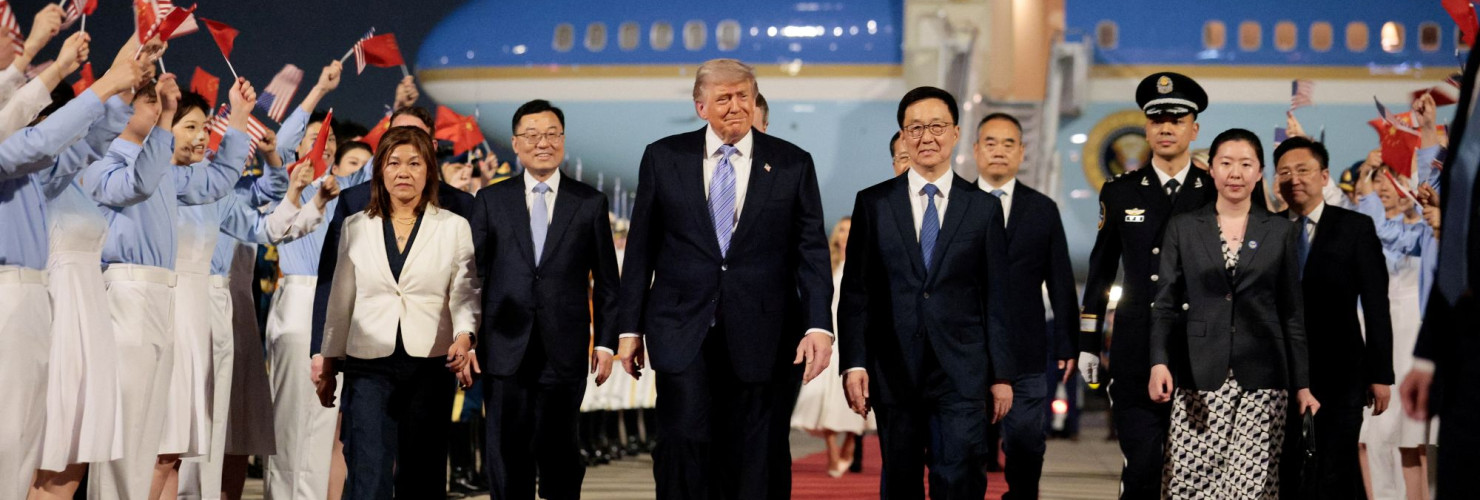

Expectations from Xi Jinping and Donald Trump Ahead of Talks
Xi Jinping’s Strategic Objectives
For Chinese President Xi Jinping, the meeting is largely about maintaining stability in relations with the United States. A key priority is preventing further escalation in tariffs, export restrictions, and technology controls.
Key objectives for Xi include:
- Securing continued access to the US market
- Stabilizing export controls, especially around rare earth materials
- Creating time for China’s long-term self-reliance strategy
Xi’s broader agenda emphasizes reducing dependence on foreign technology and strengthening domestic industries. This makes the Xi Trump Beijing summit meeting an opportunity to slow external pressure while China continues internal economic restructuring.
Donald Trump’s Political and Economic Priorities
For Donald Trump, the focus is more immediate and politically driven. His goals typically center on:
- Reducing the US trade deficit with China
- Ensuring access to critical Chinese rare earth supplies
- Achieving visible diplomatic progress ahead of domestic political milestones
Trump is expected to leverage Washington’s existing tariff and export control systems, giving him significant influence over the direction of negotiations during the Xi Trump Beijing summit meeting.
Why a Grand Bargain Between US and China Is Unlikely
Structural Economic Differences
A comprehensive agreement between the United States and China remains highly unlikely due to fundamental differences in their economic systems.
The United States continues to rely on:
- Open-market principles
- Private sector-driven growth
- Limited state intervention
China, under Xi Jinping, has moved toward:
- Stronger state control of key industries
- Heavy industrial policy support
- Export-led economic absorption due to domestic demand limits
These structural differences make any full-scale agreement extremely difficult, even during high-level meetings such as the Xi Trump Beijing summit meeting.
Limits of Political Flexibility
Both governments face internal constraints that limit how far they can compromise. China cannot easily reverse its economic model, while the US political system demands visible trade and security concessions.
As a result, any agreement is likely to remain narrow and tactical rather than transformational.
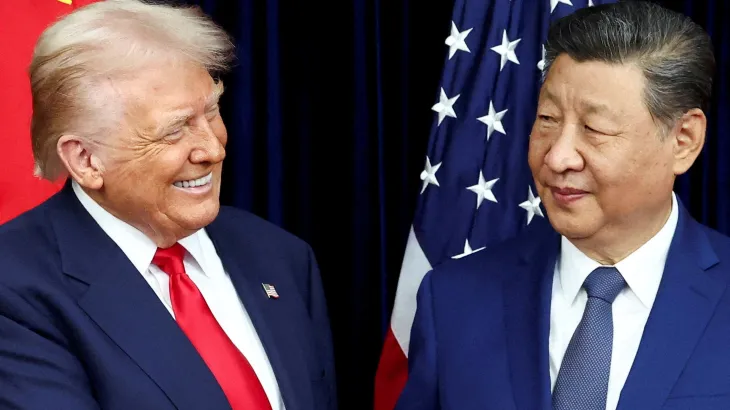

Possible Outcomes: A Limited or “Marginal” Trade Deal
Trade Concessions and Symbolic Wins
Instead of a sweeping agreement, both sides may pursue smaller, symbolic arrangements that allow each leader to claim success.
Potential outcomes include:
- China increasing purchases of US agricultural and industrial goods
- Commitments to control fentanyl-related chemical exports
- Slight easing of rare earth export restrictions
- Temporary tariff adjustments or pauses
Such measures would resemble earlier arrangements like past trade frameworks that focused on purchase commitments rather than structural reform.
The Xi Trump Beijing summit meeting could therefore result in a “managed tension” approach rather than a resolution of core disputes.
Rare Earths and Supply Chain Leverage
Rare earth materials remain a key bargaining chip. China dominates global supply chains, and the US continues to rely on these materials for advanced manufacturing and defense industries.
Beijing may offer limited export stability in exchange for:
- Reduced tariff pressure
- Technology-related concessions
- Short-term trade stability
However, analysts note that such commitments could be reversible depending on future geopolitical conditions.
The Proposed Trade Management Mechanism
One idea under discussion is a formal “Board of Trade” structure to manage economic exchanges. While theoretically possible, its practical limitations are significant.
It could function for:
- Government procurement deals
- Commodity-based agreements
But it would struggle with:
- Private-sector global supply chains
- Consumer-driven trade flows
- Technology and services sectors
Such a system could introduce inefficiencies and disrupt global trade networks.
Geopolitical Tensions Shaping the Agenda
Taiwan, Military Modernization, and Regional Security
One of the most sensitive issues during the Xi Trump Beijing summit meeting will be Taiwan. The United States maintains its long-standing position supporting Taiwan’s security, while China views it as a core sovereignty issue.
Other tensions include:
- China’s military modernization efforts
- US concerns over Indo-Pacific stability
- Regional pressure involving allies such as Japan
A major breakthrough is unlikely, but both sides may attempt to keep these issues from dominating the discussions.
Middle East, Ukraine, and Global Stability
Beyond Asia, broader geopolitical topics are expected to surface, including:
- The war in Ukraine and its global implications
- Middle East instability and energy market risks
- Concerns over global shipping and trade routes
These issues further complicate the possibility of a unified agreement, reinforcing the expectation of limited outcomes.
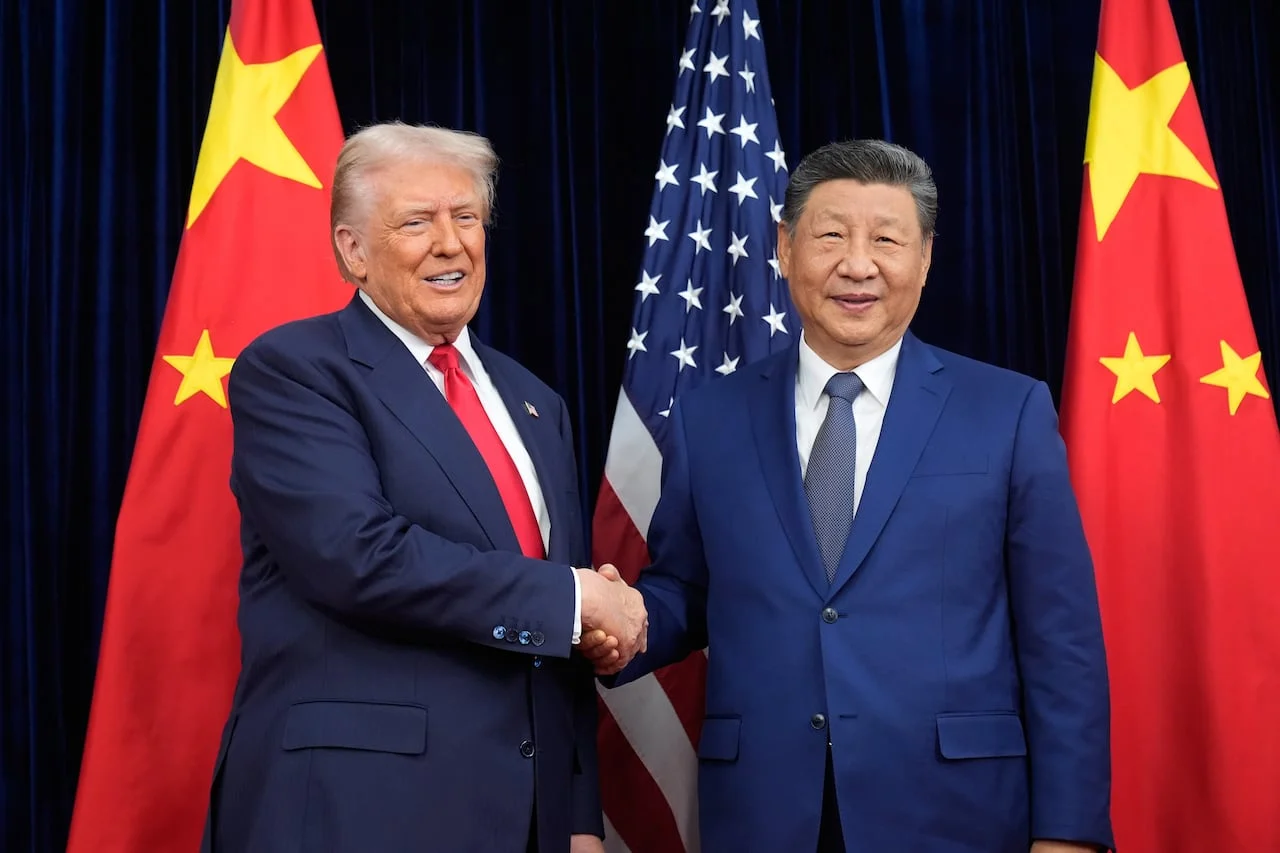

Global Implications of the Beijing Summit
Impact on Europe and Global Trade
The Xi Trump Beijing summit meeting also carries indirect consequences for Europe. Analysts warn that Europe could face:
- Increased Chinese exports due to industrial overcapacity
- Rising competitive pressure on local manufacturing
- Greater dependence on US-China trade stability
If US-China negotiations succeed even marginally, global attention may shift toward other trade disputes. If talks fail, renewed tariff escalation could disrupt supply chains worldwide.
Strategic Competition Beyond the Summit
Regardless of the outcome, the underlying competition between the two nations is expected to continue. Both countries are pursuing long-term strategies:
- The US focuses on technological leadership and supply chain diversification
- China prioritizes industrial strength and economic resilience
This ensures that even after the Xi Trump Beijing summit meeting, strategic rivalry will remain a defining feature of global politics.
FAQ Section
What is the main goal of the Xi Trump Beijing summit meeting?
The main goal is to manage tensions between the US and China and potentially secure a limited trade arrangement rather than a full agreement.
Why is a major trade deal unlikely between the US and China?
A major deal is unlikely due to deep economic and political differences, including contrasting models of state control and market systems.
What issues are expected to dominate the talks?
Key issues include trade tariffs, rare earth materials, Taiwan, military modernization, and global security concerns.
How could the summit affect global markets?
Even small agreements could stabilize markets, while failure could trigger renewed trade tensions and supply chain disruptions.
Conclusion
The Xi Trump Beijing summit meeting represents a critical moment in US-China relations, but expectations remain grounded in realism rather than optimism. Instead of a historic breakthrough, both sides are more likely to pursue limited agreements that reduce immediate tensions while preserving long-term strategic competition. The outcome will not redefine the global order, but it may temporarily shape the pace and tone of one of the world’s most important bilateral relationships.
Click here for more news


