



The World Cup US football evolution 1994 highlights how dramatically football in the United States has changed since the country last hosted the FIFA World Cup in 1994, transforming from a developing sporting culture into a major global football market ahead of the 2026 tournament.
In just over three decades, the sport has moved from the margins of American athletics into mainstream popularity, supported by professional leagues, growing fan bases, and expanding infrastructure.
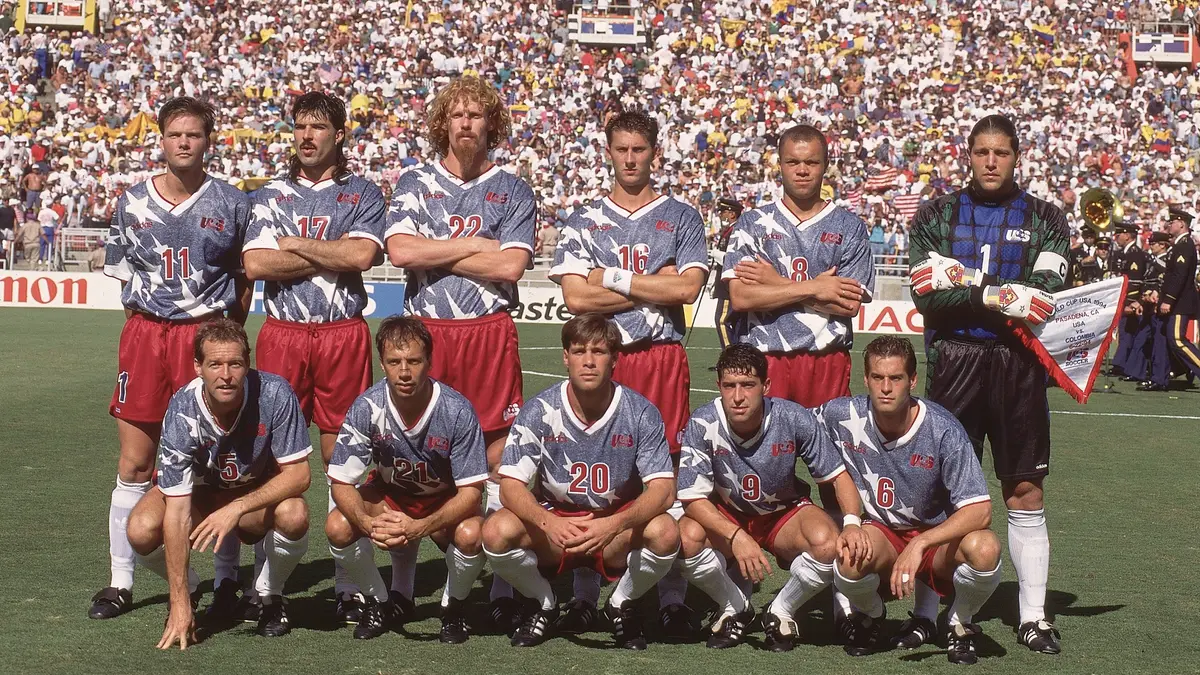

1994 World Cup: The Starting Point of Modern US Football
The 1994 FIFA World Cup is widely seen as the turning point for football in the United States.
A Nation Without a Strong Professional League
At the time, the U.S. football system was still underdeveloped. Key characteristics included:
- No established top-tier professional league
- National team made up of semi-professionals and college players
- Limited domestic football infrastructure
This early stage forms the foundation of the World Cup US football evolution 1994 narrative.
Concerns Before the Tournament
Former US Soccer officials have noted that there were serious concerns before the tournament began, especially around:
- Ticket sales performance
- Public interest levels
- Stadium attendance expectations
Despite these worries, the tournament eventually exceeded expectations.
1994 World Cup Success Changed Football in America
The 1994 tournament became one of the most successful sporting events in U.S. history at the time.
Record Attendance and Global Recognition
The competition achieved:
- Over 3.5 million total attendance
- Average of nearly 69,000 fans per match
- Strong global television viewership
The U.S. team also made history by:
- Reaching the knockout stage
- Losing narrowly to Brazil, the eventual champions
Impact on Domestic Football Growth
The success of the tournament directly contributed to:
- Creation of Major League Soccer (MLS)
- Increased youth football participation
- Investment in football infrastructure
These developments became the foundation of the World Cup US football evolution 1994 transformation story.
Rise of Major League Soccer and Professional Growth
Since 1994, the biggest structural change in U.S. football has been the growth of professional leagues.


Expansion of MLS
Major League Soccer has expanded significantly over the years:
- Grew into a 30-team league
- Built more than 20 soccer-specific stadiums
- Average match attendance of around 20,000 fans
Key Growth Factors
- Increased investment from private owners
- International player recruitment
- Expansion into major U.S. cities
Development of Lower Divisions
Beyond MLS, additional leagues have strengthened the football ecosystem:
- USL Championship (Division 2)
- USL League One (Division 3)
These leagues help create a wider professional structure supporting the World Cup US football evolution 1994 timeline.
Growth of Women’s Football in the United States
Another major development since 1994 has been the rise of women’s football.
Formation of the NWSL
The National Women’s Soccer League (NWSL) has become one of the strongest women’s leagues globally.
Key features include:
- Professional club structure
- Strong international talent presence
- Growing fan engagement
International Success of US Women’s Team
The United States women’s national team has achieved:
- Multiple World Cup titles
- Olympic gold medals
- Global recognition as a leading team
This success has played a major role in expanding football culture in the country.
Football’s Growing Popularity in the US
Football has transitioned from a niche sport in 1994 to a mainstream sport in 2026.
Increased Fan Engagement
Modern indicators of growth include:
- Rising TV viewership numbers
- Expanding youth participation
- Strong social media presence
Ticket Demand for 2026 World Cup
Ahead of the upcoming tournament, demand for tickets has reportedly far exceeded supply, showing how far the sport has grown since 1994.
Expansion of Football Infrastructure Across the US
Infrastructure development has been a key factor in the sport’s rise.
Stadium Development
Since 1994, the U.S. has built:
- Purpose-built soccer stadiums
- Multi-use sports arenas adapted for football
- Training academies across states
Professional System Expansion
Today, the U.S. Soccer Federation sanctions more than 100 men’s professional teams and over 20 women’s professional teams, reflecting the scale of growth in the sport.
Comparing 1994 vs 2026 Football Landscape
The contrast between 1994 and today highlights the scale of transformation.


Key Differences
1994:
- No professional league
- Limited fan base
- Minimal infrastructure
2026:
- Multi-tier professional system
- Global player recruitment
- Strong domestic and international support
Major Drivers of Change
The transformation has been driven by:
- Long-term investment in leagues
- Hosting major international tournaments
- Youth development programs
- Increased global integration
US Readiness for World Cup 2026
As the United States prepares to co-host the 2026 FIFA World Cup, expectations are significantly higher than in 1994.
Key Advantages Today
- Established football culture
- World-class stadium infrastructure
- Strong commercial and broadcasting systems
- Experienced professional leagues
Global Expectations
The upcoming tournament is expected to:
- Break attendance records
- Expand global football markets
- Strengthen football’s presence in North America
FAQ
How has US football changed since the 1994 World Cup?
US football has evolved from an amateur-based system into a fully developed professional structure with multiple leagues and global recognition.
What role did the 1994 World Cup play in US football growth?
It helped launch Major League Soccer and increased national interest in the sport.
Is football popular in the United States now?
Yes, football has grown significantly and is now one of the fastest-growing sports in the country.
What leagues exist in US football today?
Major League Soccer (MLS), USL Championship, USL League One, and the NWSL are key professional leagues.
Conclusion
The World Cup US football evolution 1994 shows a dramatic transformation from a developing sports system to a global football market. As the United States prepares for the 2026 World Cup, the progress made since 1994 highlights how deeply the sport has grown in culture, infrastructure, and popularity.
Click here for more news


