


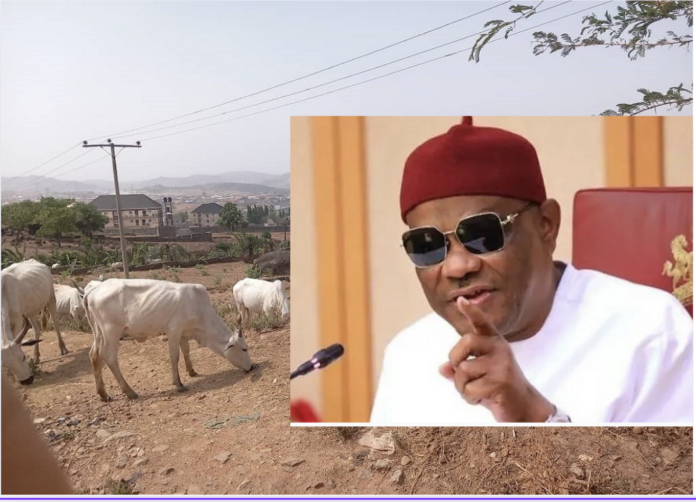
The Wike takes responsibility for Abuja cows issue has drawn public attention after the Minister of the Federal Capital Territory, Nyesom Wike, openly admitted responsibility for the presence of cows roaming streets in Abuja. The statement came during his monthly media briefing in the capital city, where he also addressed infrastructure development and security improvements in the FCT.
Wike’s remarks included an apology and explanations about ongoing urban management challenges in Nigeria’s capital.


Wike Apologizes for Cows Roaming Abuja Streets
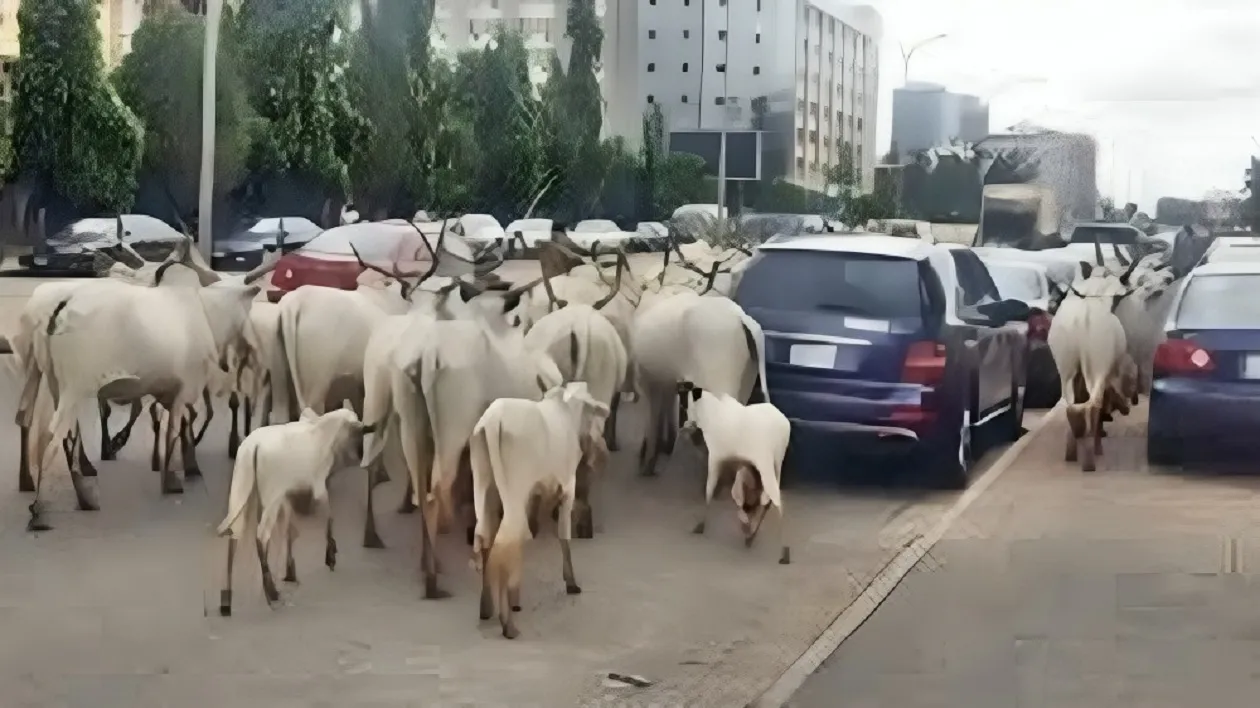
Minister Nyesom Wike publicly apologized for the situation involving cows roaming across different parts of Abuja. He acknowledged that the issue remains unresolved despite ongoing efforts by authorities.
The Wike takes responsibility for Abuja cows statement reflects a rare public admission from a high-ranking official regarding urban management concerns in the Federal Capital Territory.
Context Behind the Apology
During his address, Wike explained that:
- The issue of roaming cattle persists in some parts of Abuja
- Authorities are working to improve city regulation
- Infrastructure development is ongoing across the capital
Public Reaction to the Statement
The apology has generated discussions around:
- Urban planning challenges in Abuja
- Enforcement of livestock control laws
- Public expectations of city cleanliness and safety
FCT Road Projects and Development Strategy
Alongside the Wike takes responsibility for Abuja cows statement, the minister highlighted ongoing infrastructure projects across the Federal Capital Territory.
He explained that road construction and urban development remain key priorities for the administration.
How Roads Are Selected in the FCT
According to Wike, road projects are not randomly chosen. Instead, they are based on input from residents and communities.
Key points include:
- Roads are nominated by local communities
- Projects aim to improve accessibility
- Infrastructure supports economic and social development
Expansion Beyond City Centres
Wike emphasized that development is not limited to central Abuja areas.
Ongoing efforts include:
- Road construction in satellite towns
- Improved access to rural communities
- Expansion of essential public services
Security Impact of Infrastructure Development
The Wike takes responsibility for Abuja cows discussion also touched on how infrastructure improvements contribute to security in the Federal Capital Territory.
How Roads Improve Safety
According to the minister, better road networks help reduce insecurity by:
- Improving mobility for security agencies
- Enhancing access to remote areas
- Supporting quicker emergency response

Link Between Development and Stability
Wike noted that development projects are part of a broader strategy to:
- Strengthen urban management
- Improve surveillance capabilities
- Reduce vulnerable zones within the capital
Abuja Urban Management Challenges
The issue of cows roaming Abuja streets highlights broader urban management challenges faced by rapidly growing cities.
Livestock Movement in Urban Areas
One of the key concerns includes:
- Unregulated movement of cattle in residential areas
- Safety risks for motorists and pedestrians
- Conflicts between urban and rural land use
Regulatory Enforcement Issues
Challenges affecting enforcement include:
- Limited monitoring systems
- Coordination between agencies
- Compliance from livestock owners
Government Development Plans in the FCT
Wike also outlined ongoing and upcoming projects aimed at transforming Abuja’s infrastructure landscape.
Planned Infrastructure Improvements
Development efforts include:
- Expansion of road networks
- Water supply improvements
- Construction of residential facilities for public officers
Project Commissioning With the President
The minister confirmed plans to commission several projects alongside the President.
Key details:
- Projects mark his third year in office
- Focus on completed infrastructure
- Showcase of development achievements
Community Participation in Road Selection
A major point from the Wike takes responsibility for Abuja cows address was the role of community input in infrastructure planning.
How Citizens Influence Projects
Residents contribute by:
- Nominating priority roads
- Identifying infrastructure needs
- Participating in local planning discussions
Benefits of Community-Based Planning
This approach helps:
- Improve project relevance
- Enhance local satisfaction
- Ensure better resource allocation
Broader Implications for Abuja Development
The situation reflects wider discussions about urban development in Nigeria’s capital city.
Balancing Growth and Regulation
Authorities face the challenge of:
- Managing rapid urban expansion
- Enforcing city regulations
- Ensuring sustainable development
Future Expectations
Ongoing efforts aim to:
- Modernize Abuja infrastructure
- Improve city safety standards
- Address long-standing urban issues

FAQ
Why did Wike take responsibility for cows roaming Abuja streets?
He publicly apologized and acknowledged the issue during a media briefing, taking responsibility for the ongoing challenge.
What is being done to improve infrastructure in Abuja?
The government is expanding roads, improving water systems, and developing satellite towns across the Federal Capital Territory.
How does road construction affect security in Abuja?
Better roads improve access for security agencies and help reduce response times during emergencies.
Are Abuja residents involved in choosing road projects?
Yes, according to Wike, communities nominate roads that are prioritized for construction.
Conclusion
The Wike takes responsibility for Abuja cows statement highlights ongoing urban management challenges in Nigeria’s capital while also showcasing continued infrastructure development efforts. As authorities work to expand roads and improve city planning, the balance between urban growth, regulation, and public safety remains a key focus for the Federal Capital Territory administration.
Click here for more news


