 0
0
 0
0
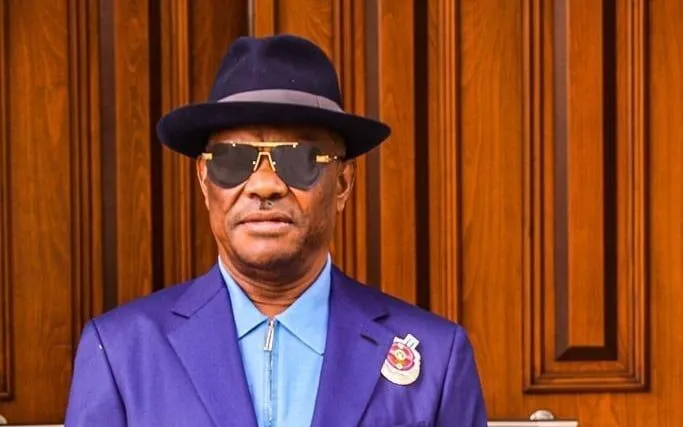
The Wike apology boycott threat has stirred fresh debate in Nigeria’s media and political space, as broadcasters demand accountability following controversial remarks made by the Minister of the Federal Capital Territory (FCT), Nyesom Wike.
Broadcasters Call for Immediate Apology
The Independent Broadcasters Association of Nigeria (IBAN) has formally urged Wike to retract his statement and issue a public apology. The group described his comments as inappropriate and potentially harmful to press freedom.
Why the Demand Matters
IBAN emphasized that public officials hold significant influence and must exercise caution when addressing journalists. Statements perceived as threatening, even if unintended, could set a dangerous precedent.
Official Statement from IBAN
In a statement signed by its chairman, Dr. Ahmed Tijani Ramalan, and acting general secretary, Fidelis Duker, the association warned that failure to apologize could lead to decisive action.
Possible Consequences
The group hinted at a coordinated boycott of Wike’s media engagements nationwide. Such a move would limit his access to independent broadcasters and reduce public communication channels.
The Controversial Remark Explained
The controversy stems from a media parley held on April 3, 2026, where Wike reacted strongly to comments made by journalist Seun Okinbaloye.
What Triggered the Reaction
During the programme Politics Today, Okinbaloye highlighted the importance of political competition ahead of the 2027 general elections. He warned that a lack of viable opposition could weaken Nigeria’s democratic system.
Wike’s Response
Wike expressed shock at the journalist’s remarks and made a statement suggesting he would have reacted aggressively if given the chance. The comment quickly drew criticism for its tone and implication.
Public Interpretation

Although the minister later clarified that he did not intend physical harm, many viewed the statement as excessive and inappropriate for a public officeholder.
Concerns Over Press Freedom
The Wike apology boycott threat has reignited discussions around press freedom and the safety of journalists in Nigeria.
Risk of Normalizing Hostility
IBAN stressed that such remarks, even when made in jest or frustration, could normalize hostility toward media professionals.
Impact on Journalism
Journalists play a critical role in holding leaders accountable. Any perceived intimidation could discourage open dialogue and investigative reporting.
Need for Responsible Communication
Experts argue that political leaders must maintain professionalism in public discourse, especially when responding to criticism from the media.
Wike’s Clarification and Public Reaction
Following the backlash, Wike attempted to clarify his remarks, stating that he had no intention of causing harm.
Clarification Details
He explained that his statement was not meant to be taken literally, but rather as an expression of surprise or disagreement.
Mixed Reactions
While some supporters accepted the clarification, others believe it falls short of addressing the seriousness of the issue.
Calls for Accountability
Many stakeholders continue to insist that an apology is necessary to rebuild trust and reaffirm respect for the media.
Threat of Media Boycott
One of the most significant developments in the Wike apology boycott threat is the possibility of a nationwide boycott by independent broadcasters.
What a Boycott Means
If implemented, the boycott would involve broadcasters refusing to cover or participate in Wike’s media engagements.
Potential Impact
Such a move could limit the minister’s ability to communicate policies and updates to the public, particularly through independent media platforms.
Broader Implications
A boycott could also set a precedent for how media organizations respond to perceived threats or disrespect from public officials.
Political Context Ahead of 2027 Elections
The incident comes at a sensitive time as Nigeria prepares for the 2027 general elections.
Importance of Political Competition
Okinbaloye’s original comments highlighted concerns about the need for a strong opposition to ensure democratic balance.
Role of Media in Elections
The media serves as a key platform for political discourse, providing citizens with information and diverse viewpoints.
Maintaining Democratic Standards
Observers note that respectful engagement between politicians and journalists is essential for a healthy democracy.
The Way Forward
The Wike apology boycott threat underscores the need for constructive dialogue between government officials and the media.
Possible Resolution
An official apology from Wike could help de-escalate tensions and prevent a boycott.
Strengthening Media Relations
Both parties may benefit from clearer communication guidelines and mutual respect in future engagements.
Protecting Democratic Values
Ultimately, maintaining press freedom and responsible leadership communication remains crucial for Nigeria’s democratic development.
FAQ
Why are broadcasters demanding an apology from Wike?
Broadcasters believe Wike’s remark could be interpreted as intimidation and want him to retract it and reaffirm respect for journalists.
What did Wike say that caused the controversy?
He reacted strongly to a journalist’s comment, making a statement that many perceived as aggressive or inappropriate.
What is the possible boycott being discussed?
Independent broadcasters are considering refusing to cover Wike’s media activities if he does not issue an apology.
How does this affect press freedom in Nigeria?
The situation raises concerns about how public officials communicate with journalists and the potential impact on free and open reporting.
Conclusion
The controversy surrounding the Wike apology boycott threat highlights the delicate relationship between political leaders and the media. While differing opinions are expected in a Democracy, the manner in which they are expressed carries significant weight. As calls for an apology continue, the outcome of this situation could shape future interactions between government officials and journalists across Nigeria.