 0
0
 0
0
UN Warns of Imminent Financial Collapse Over Unpaid Dues
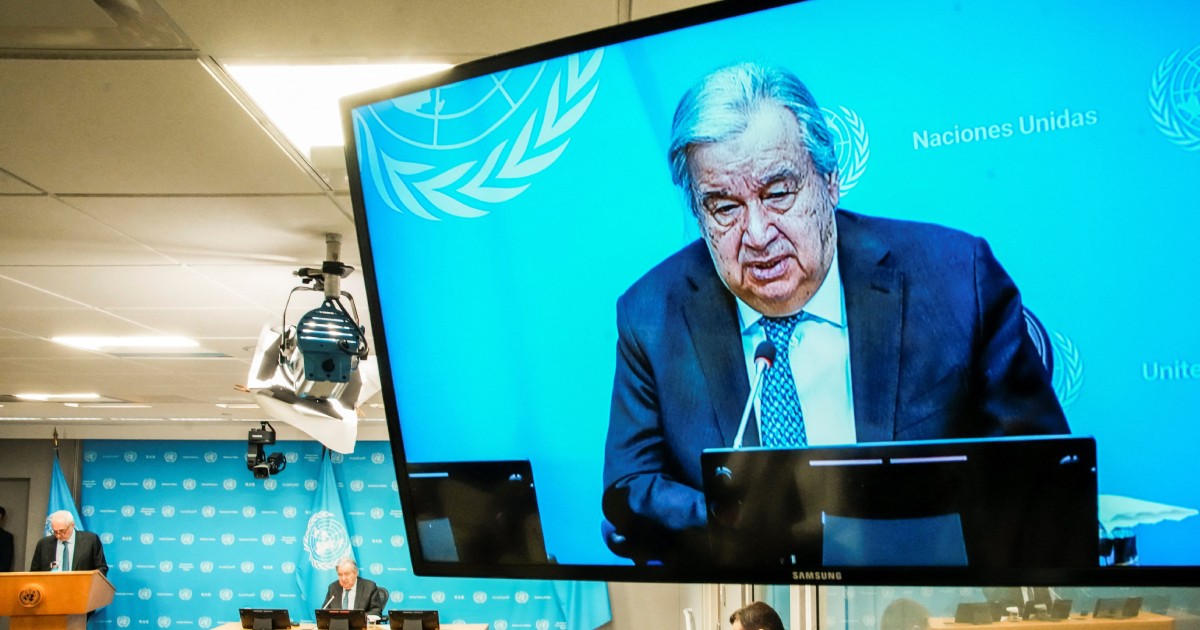
The United Nations has warned that it faces an imminent financial collapse due to unpaid contributions from member states. UN Secretary General Antonio Guterres issued the warning as the organisation struggles with its worst cash crisis in years.
The UN depends on mandatory payments from its 193 member states to fund its core activities. These include staff salaries, peacekeeping missions, humanitarian work, and global diplomatic meetings. When countries delay payments, the UN cannot meet its financial obligations.
How Much Money Member States Owe the UN
Outstanding payments to the UN regular budget have reached a record 1.57 billion dollars. UN officials say the United States accounts for more than 95 percent of the unpaid amount. By early February, US arrears stood at about 2.19 billion dollars.
The United States also owes around 2.4 billion dollars for peacekeeping operations. In addition, it owes more than 43 million dollars for UN tribunals. Venezuela and Mexico follow on the list of debtors, owing 38 million dollars and 20 million dollars respectively.
In December, the UN General Assembly approved a 3.45 billion dollar regular budget for 2026. This budget covers administrative costs, staff pay, development programmes, and human rights work. Contributions depend on economic size. The United States funds 22 percent of the budget, while China covers 20 percent.
Why the UN Faces a Severe Cash Crisis
UN officials warn that the organisation could run out of money by July if payments do not arrive. Unlike national governments, the UN cannot borrow money or create currency. This limits its ability to manage financial shortfalls.
Guterres also criticised a budget rule that forces the UN to return unspent funds to member states each year. The rule applies even when countries fail to pay their dues. He described the system as unsustainable and called for urgent reform.

What the UN Is Asking Member States to Do
UN officials have urged member states to pay their assessed contributions on time. They say the cash crisis would ease quickly if countries met their legal obligations.
The UN has also launched internal reforms to cut costs and improve efficiency. A reform initiative known as UN80 aims to reduce spending while protecting essential services. Still, officials stress that reforms cannot replace full funding.
Position of the United States
US officials have criticised the UN over spending levels and management practices. They argue that staff salaries, benefits, and conference costs remain too high. However, the US has not confirmed when it will clear its outstanding payments.
What Happens If the Crisis Continues
If funding problems persist, the UN may delay meetings and reduce programmes. Staff salary payments could also face disruption. Peacekeeping missions and humanitarian aid efforts may suffer at a time of rising global need.
The warning highlights the UN’s dependence on member state cooperation. It also raises concerns about the future of international institutions amid shifting global priorities.