 0
0
 0
0
Why hair turns grey early is a question that continues to puzzle many people, especially as some notice silver strands appearing as early as their 20s while others maintain natural colour well into old age.
Although greying is a natural part of ageing, recent research shows that the process is more complex than once thought. Factors like genetics, stress, and cellular ageing all play a role, and in some cases, changes may even be partially reversible.

What Causes Hair to Turn Grey?
Hair colour is determined by melanin, a pigment produced by specialised cells in hair follicles known as melanocytes.
As long as these cells function properly, hair retains its natural colour. However, over time, the system begins to break down.
The Role of Melanin in Hair Colour
Each strand of hair starts out nearly colourless. The amount and type of melanin deposited into the hair shaft determine whether hair appears black, brown, blonde, or red.
- High melanin concentration = darker hair
- Low melanin concentration = lighter hair
- No melanin = grey or white hair
Why Pigment Production Slows Down
As we age, melanocytes gradually lose efficiency or stop working entirely. When this happens:
- Hair grows without pigment
- Strands appear grey, silver, or white
- Texture may change, becoming coarser or more difficult to manage
Independent Hair Follicle Process
Each hair follicle functions independently, which explains why greying doesn’t happen all at once.
Common Pattern of Greying
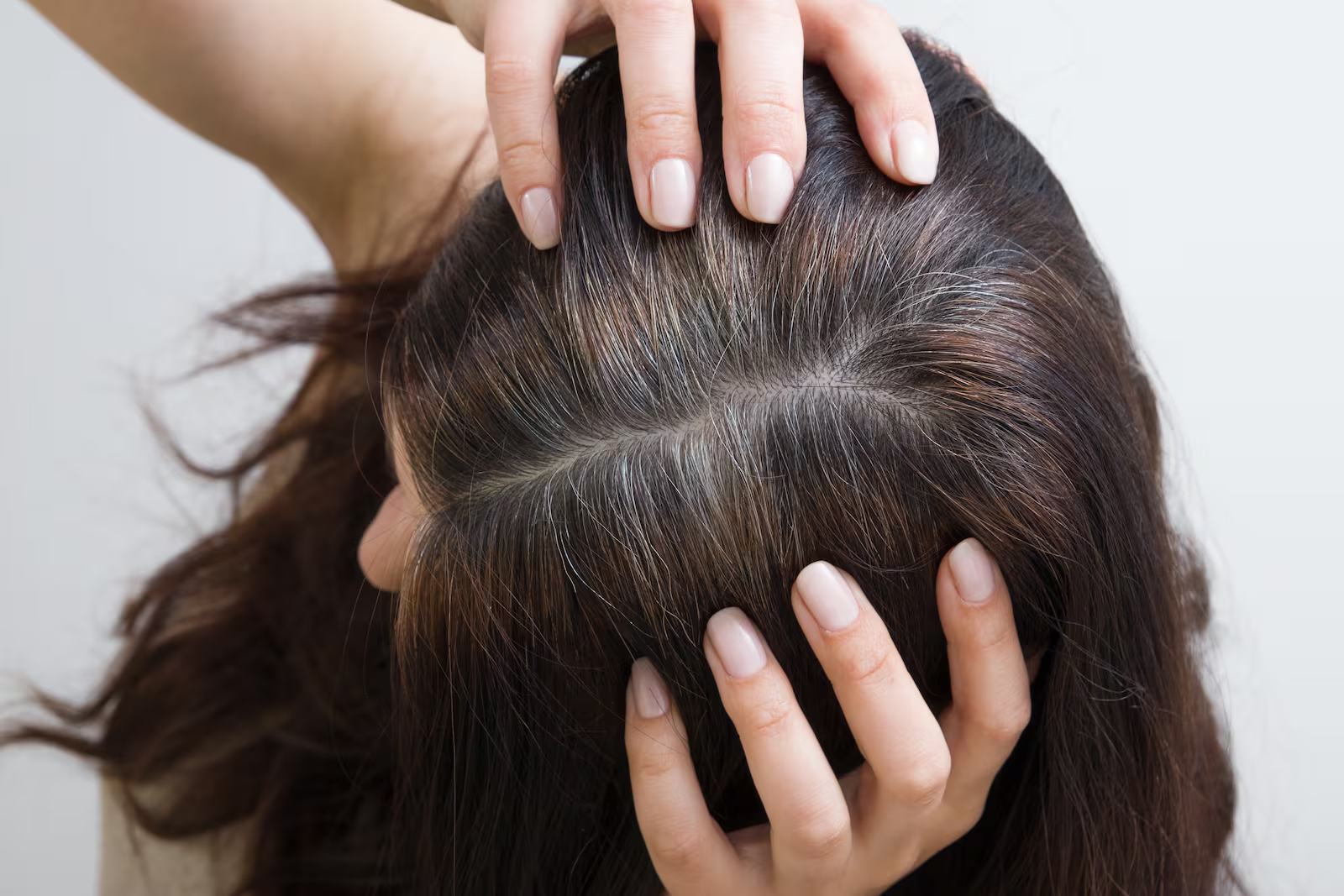
- A few random grey strands appear first
- Gradual increase leads to a “salt-and-pepper” look
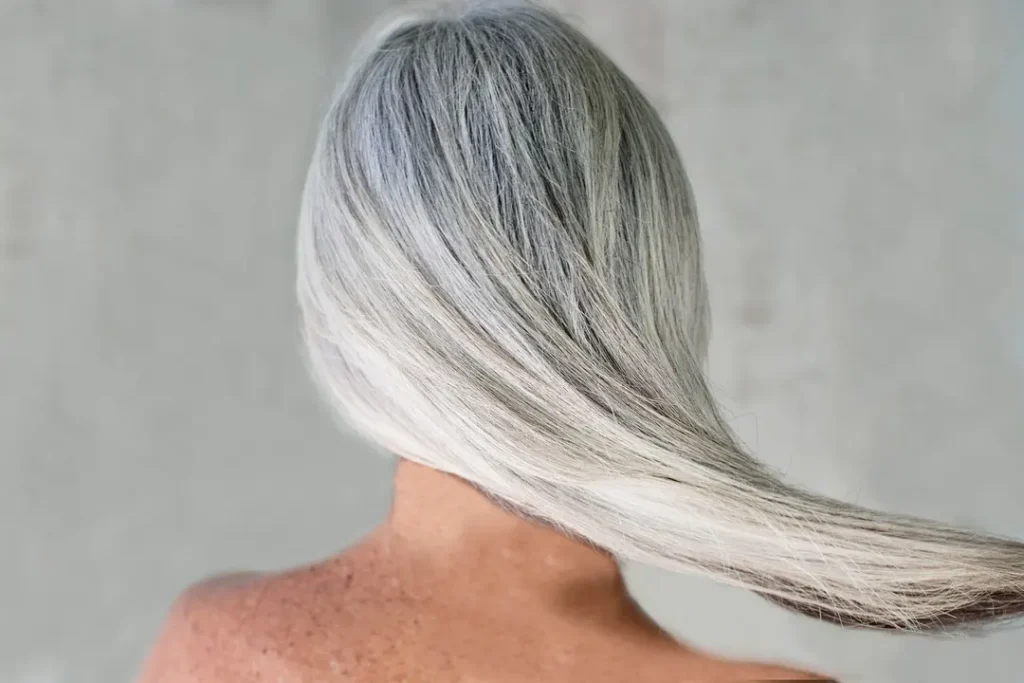
- Eventually, most hair may lose pigment
The Science Behind Why Hair Turns Grey Early
Understanding why hair turns grey early requires looking deeper into the biology of hair follicles and ageing cells.
Cellular Damage and Ageing
Over time, cells accumulate damage due to:
- Oxidative stress
- Environmental exposure
- Natural wear and tear
This damage affects melanocytes and their ability to produce pigment.
Stem Cells and Permanent Greying
Hair follicles also contain stem cells that replenish melanocytes. Greying becomes permanent when:
- Melanocytes are damaged
- Stem cell reserves are depleted
If melanocytes are temporarily affected but stem cells remain active, there may be a chance for colour to return.
Can Grey Hair Reverse Naturally?
Emerging research suggests that greying is not always a one-way process.
Evidence from Stress Studies
Studies have shown that:
- High stress levels can accelerate greying
- Reduced stress may allow some pigment to return
- Hair strands can show alternating dark and light bands over time
This supports the idea that lifestyle factors can influence hair pigmentation.
Key Factors That Influence Early Greying
Several factors determine why hair turns grey early, and they vary from person to person.
Genetics: The Biggest Factor
Your family history plays the most significant role.
- If parents grey early, you’re more likely to do the same
- Some people may not grey until their 50s or later
Stress and Lifestyle
Chronic stress is strongly linked to premature greying.
How Stress Affects Hair
- Increases oxidative damage
- Disrupts pigment production
- May temporarily deactivate melanocytes
Smoking and Environmental Factors
Smoking has been associated with earlier onset of grey hair due to increased cellular damage.
Other contributing factors include:
- Pollution exposure
- UV radiation
- Poor sleep habits
Nutritional Deficiencies
Certain deficiencies may contribute to premature greying:
- Low vitamin B12
- Iron deficiency
- Poor antioxidant intake
However, evidence suggests that supplements alone may not reverse greying.

Medical Conditions Linked to Grey Hair
In some cases, early greying may be connected to underlying health conditions.
Hormonal Disorders
Thyroid imbalances can affect hair pigmentation and may lead to premature greying.
Autoimmune Conditions
Conditions where the immune system attacks hair follicles can also cause pigment loss.
Examples include:
- Vitiligo
- Alopecia areata
Medication-Related Greying
Some medications have been linked to hair colour changes, including:
- Antiseizure drugs
- Antimalarials
- Certain dermatological treatments
In rare cases, stopping or adjusting medication may restore colour.
What You Can Do About Grey Hair
While there is no guaranteed way to stop greying completely, certain steps may help slow the process.
Practical Lifestyle Changes
Adopting healthy habits can support overall hair health:
- Manage stress through relaxation techniques
- Maintain a balanced diet rich in antioxidants
- Get enough sleep consistently
- Avoid smoking
Diet and Hair Health
Focus on nutrient-rich foods such as:
- Leafy greens
- Fruits high in antioxidants
- Protein sources
- Iron-rich foods

Be Careful with Supplements
Many anti-grey supplements are marketed without strong scientific backing.
- No proven pill can restore pigment
- Topical treatments rarely reach hair follicles effectively
When to See a Doctor
Consult a healthcare professional if:
- Greying occurs suddenly or very early
- You suspect an underlying health issue
- There are other symptoms like hair loss or fatigue
Medical evaluation may identify reversible causes in some cases.
Can Grey Hair Be Prevented or Reversed?
For most people, why hair turns grey early comes down to genetics and natural ageing.
However, research shows there may be a “window of opportunity” where:
- Stress reduction may help restore pigment
- Early intervention could slow progression
Still, there is currently no universally effective medical treatment to reverse grey hair.
FAQ Section
Why does hair turn grey in your 20s?
Hair can turn grey in your 20s due to genetics, stress, or nutritional deficiencies. Family history is usually the main factor.
Can stress really cause grey hair?
Yes, studies suggest stress can accelerate greying and may even temporarily reverse when stress levels decrease.
Is it possible to reverse grey hair naturally?
In rare cases, early-stage greying may reverse if melanocyte stem cells are still active, but this is not guaranteed.
What vitamins help prevent grey hair?
Vitamin B12 and iron are important for hair health, but supplements alone are not proven to stop or reverse greying.
Conclusion
Why hair turns grey early is influenced by a combination of genetics, ageing, and lifestyle factors. While the process is largely natural and often unavoidable, maintaining a healthy lifestyle and managing stress may help slow its progression. Ongoing research continues to explore whether greying can be reversed, but for now, understanding the causes remains the most effective approach to managing it.
PLEASE CLICK HERE FOR MORE NEWS